


 Microsoft Eyes $7B Texas Energy Deal to Power AI Data Centers
  BlackRock CEO Larry Fink Earns $37.7 Million in 2025 Amid Record Growth
  Brazil Meat Exports Weather Iran War Disruptions With Rerouted Shipments
  Apple Turns 50: From Garage Startup to AI Crossroads
  CTOC Adds 3,000 Doctors, 500 Hospitals Ahead of Liquidity Push
  Jefferies Upgrades Sodexo to Buy With €55 Target After Historic CEO Appointment
  Fonterra Admits Anchor Butter "Grass-Fed" Label Misled Consumers After Greenpeace Lawsuit
  Unilever and Magnum Face Defamation Lawsuit Over Ben & Jerry's Board Chair Dismissal
  Russell 1000 Companies Hit $2.2T Cash Record While Aggressively Reinvesting in Growth
  Luxury Car Sales in the Middle East Take a Hit Amid Iran War
  Federal Judge Blocks Pentagon's Blacklisting of AI Company Anthropic
  Cathay Pacific Holds Firm on Flight Capacity Amid Middle East Conflict and Rising Fuel Costs
  Norma Group Posts Revenue Decline in 2025, Eyes Modest Recovery in 2026
  Cybersecurity Stocks Tumble After Anthropic's Claude Mythos AI Leak Sparks Market Fears
  Bank of America's $72.5M Epstein Settlement: What You Need to Know
  KPMG UK Cuts 440 Audit Jobs Amid Low Attrition and Cooling Professional Services Demand
  Nomura Upgrades PDD Holdings to Buy, Calls Stock Too Cheap to Ignore


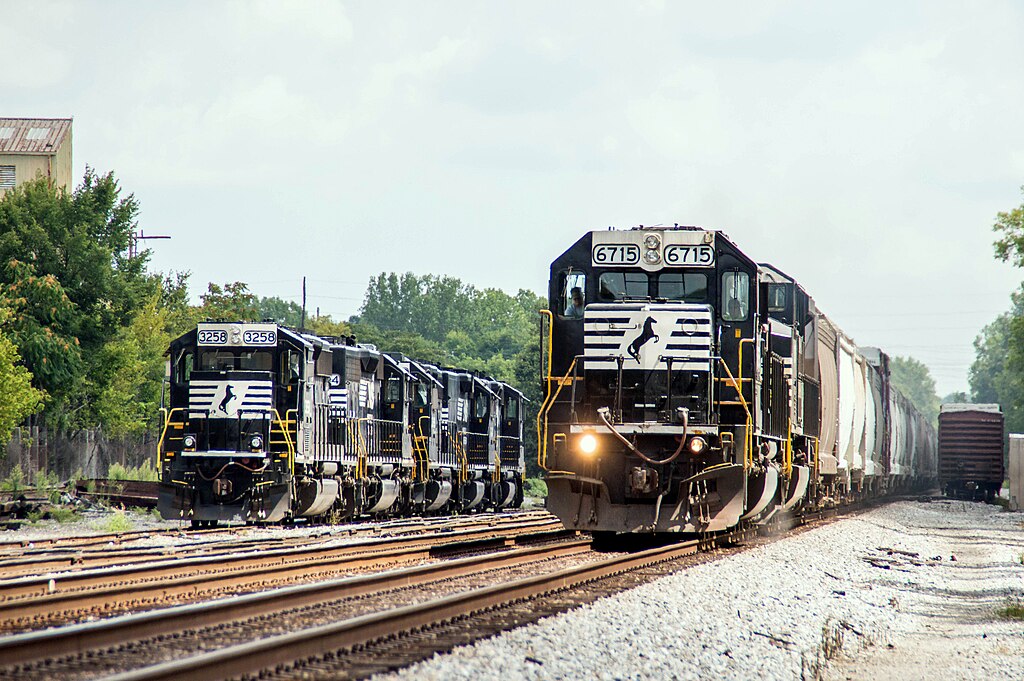
The U.S. Surface Transportation Board (STB) has sent back Union Pacific’s proposed $85 billion merger with Norfolk Southern, ruling that the application lacks critical information required under federal railroad merger rules. The decision marks a significant early step in what is expected to be one of the most closely watched transportation merger reviews in decades.
In its ruling, the STB said the nearly 7,000-page application filed in December was incomplete because it failed to include detailed projections on market share and long-term competitive impacts. While the railroads provided historical market-share data from 2023, the board emphasized that applicants must show how competition would evolve several years after the merger is completed. Under rules adopted in 2001, railroad mergers must enhance competition, not simply maintain existing levels, while also delivering clear public-interest benefits.
The board rejected the filing without prejudice, meaning Union Pacific and Norfolk Southern are allowed to resubmit their proposal once the identified deficiencies are addressed. The STB also stressed that its decision should not be interpreted as an indication of how it might ultimately rule on the merits of a revised application.
The ruling follows concerns raised in a January filing by Canadian National, which argued that the merger application lacked essential competitive disclosures. These included the methodology used to identify routes where two rail lines would converge into one and comprehensive lists of shippers that could be affected by reduced competition. According to critics, these omissions limited the ability of stakeholders to fully assess the merger’s potential impact.
The proposed deal, which would create a coast-to-coast freight railroad, has received public backing from President Donald Trump. The current administration has generally favored approving large transactions, often with conditions or remedies, rather than blocking them outright. This represents a shift from the previous Biden administration, under which such a large railroad merger was widely seen as politically and regulatorily unviable amid a broader push against industry consolidation.
Union Pacific and Norfolk Southern argue that the merger would improve service reliability, shift freight from trucks to rail, preserve shipper choices, protect union jobs, and deliver broad economic and environmental benefits. As the first major railroad merger reviewed under the tougher post-2001 framework, the outcome is expected to set an important precedent for future consolidation in the U.S. rail industry.







