


 France Keeps Top Health Alert as Officials Brace for Another Heatwave
  Alcohol is one of the most dangerous drugs, yet its presence is ubiquitous in social settings and celebrations
  UK, France Pledge Stronger Military Support for Ukraine
  SEC Probes Banks Over Situational Awareness Hedge Fund Collapse
  GSK Reportedly Nears $9 Billion Acquisition of Cancer Drug Developer Nuvalent
  New Mexico Measles Outbreak Cost Reached $5.4 Million, Study Finds
  US Launches ‘Economic Onslaught’ Against Iran With New Sanctions
  Should I take zinc or eat oysters to ward off colds, boost my immune system or improve fertility?
  Iran Allows Iraqi Oil Tankers Through Strait of Hormuz
  Trump Vows Tougher Iran Sanctions as US Weighs New Economic Pressure
  New Zealand Labour Backs Social Media Ban for Under-16s
  Israeli Strikes Kill Two in Gaza as Tensions Rise
  France Battles Mediterranean Wildfires as Heatwave Fuels Fire Risk
  Taiwan Foreign Minister Heads to Palau for Pacific Islands Summit Events
  Pakistan, Iran Report Progress in Talks to End U.S.-Israeli War
  AstraZeneca Halts Phase III Volrustomig Lung Cancer Trial After Efficacy Setback
  Trump Administration Moves to Strip ABA of Law School Accreditor Status


 Add as a preferred source on Google
The United States has announced stricter measures to prevent Ebola cases from entering the country as the deadly outbreak in the Democratic Republic of Congo (DRC) continues to worsen. The World Health Organization (WHO) has classified the outbreak as a public health emergency of international concern, with more than 900 reported cases and approximately 220 suspected deaths linked to the rare Bundibugyo strain of Ebola.
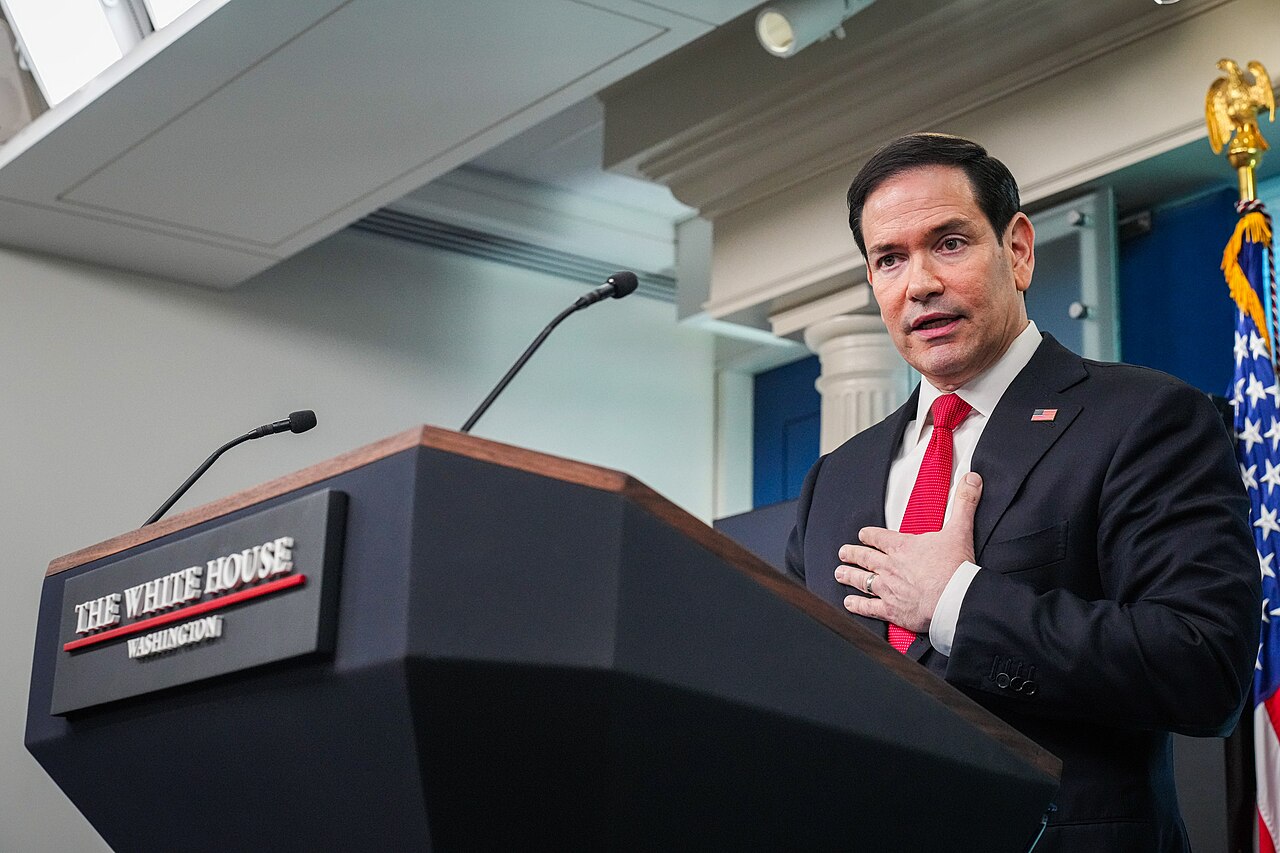
Speaking during President Donald Trump’s cabinet meeting on Wednesday, Secretary of State Marco Rubio stated that the U.S. government is determined to stop Ebola from spreading beyond Central Africa. Rubio emphasized that the administration would not allow infected individuals to enter the United States under any circumstances.
The current U.S. strategy differs significantly from the response during the 2014 Ebola outbreak, when infected Americans were treated in specialized infectious disease centers across the country. Instead, officials are now considering establishing a quarantine facility in Kenya for U.S. citizens exposed to the virus. According to Reuters, discussions with the Kenyan government are ongoing, though no final approval has been granted.
Health experts have questioned the effectiveness of creating a new treatment facility abroad. Amesh Adalja, a senior scholar at Johns Hopkins Center for Health Security, argued that existing high-containment medical centers in the United States and Germany are better equipped to handle Ebola patients safely and efficiently.
The debate intensified after a U.S. medical missionary contracted Ebola while treating patients in the DRC. The individual was transferred to Germany for treatment, while several others exposed to the virus were evacuated to Europe. Reports also suggest the White House resisted allowing the patient to return to the United States.
Meanwhile, the CDC has introduced 30-day entry restrictions for travelers who recently visited the DRC, Uganda, or South Sudan. U.S. authorities are also conducting health screenings at selected airports as part of broader efforts to contain the Ebola outbreak and prevent further international spread.







