


 Russia Strikes Kyiv With Drones and Airstrikes, Targets Military Facilities
  Canada Announces Dollar-for-Dollar Retaliation Against 50% U.S. Tariffs
  US Tightens Cuba Sanctions, Targets Officials and State Entities
  FCC Steps Up China Tech Crackdown as Beijing Pushes Back
  FAA to Pause Reagan National Airport Flights for Freedom 250 IndyCar Race
  India PMI Rises as Services Offset Manufacturing Slowdown
  Trump Imposes New Tariffs on Drone Imports Over US Security Concerns
  Oil Prices Ease as US-Iran Tensions Keep Brent on Track for Weekly Gain
  Russian Drone Strike on Kryvyi Rih Mall Kills 16, Injures 130
  Trump Signs Order to Cut Routine Childhood Vaccines
  China opens new Arctic trade route – but obstacles will prevent its wider use
  Prince Harry Faces Potential Multi-Million-Pound Legal Bill in Daily Mail Case
  Peru Economy Grows 2.6% in Q2 as Private Investment Surges
  Asian Currencies Rise as Dollar Weakens, Treasury Yields Climb
  Imran Khan Returns to Prison After Islamabad Hospital Visit
  Trump Orders Major Overhaul of US Navy Shipbuilding


 Add as a preferred source on Google
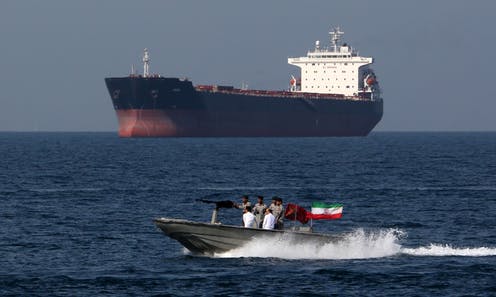
Iran has approved the passage of several Iraqi oil tankers through the Strait of Hormuz after repeated requests from Baghdad, offering limited relief as regional tensions continue to disrupt one of the world’s most important energy routes.
Iran’s state-run IRNA reported that the decision followed Iranian Parliament Speaker Mohammad Bagher Ghalibaf’s visit to Iraq. Iraqi President Nizar Amedi said Tehran had already helped some Iraqi oil vessels navigate the strait, while acknowledging that the broader situation remains complicated.
Iraq, which produced roughly 4 million barrels of oil per day before the conflict, is also exploring alternative export routes through Turkey’s Ceyhan port, Syria’s Baniyas port and Jordan’s Aqaba port.
The development comes as U.S. President Donald Trump intensifies pressure on Tehran. Speaking at a rally in Myrtle Beach, South Carolina, Trump described the Strait of Hormuz as “American territory” and claimed Washington has “total control” over the strategic waterway. He also reiterated that Iran would never be allowed to obtain a nuclear weapon.
Iranian Supreme National Security Council Secretary Mohsen Rezaei rejected Trump’s assertions, arguing that Tehran would determine how any reopening of the Strait of Hormuz is managed. He said passage could involve fees and warned that Iran could retaliate against Gulf states that participate in a U.S.-led economic blockade.
Rezaei also threatened U.S. oil and economic interests in the region if Washington escalates its economic campaign, while maintaining that Iran does not seek to broaden the conflict.
Diplomatic efforts are continuing. Egyptian Foreign Minister Badr Abdel-Aty spoke with Iranian Foreign Minister Abbas Araghchi about regional de-escalation, Oman-Iran negotiations and prospects for reviving the June 18 U.S.-Iran memorandum of understanding. Abdel-Aty emphasized freedom of navigation and Gulf security.
Meanwhile, Trump has announced tougher sanctions targeting Iranian oil smuggling, financial transfers, ship registries and front companies, describing the campaign as an “Economic D-Day.”
Brent crude closed at $93.93 per barrel on August 21, highlighting continued oil market sensitivity to developments surrounding Iran and the Strait of Hormuz.







