


 Trump Sets High-Stakes UN Meetings With Zelenskiy, Gulf Leaders
  White House Bars CNN, MS NOW and Politico Reporters
  Australia Defends Social Media Algorithm Law Amid US Concerns
  ICE Agent Arrested in Minneapolis Over Venezuelan Man Shooting
  Oil Prices Rise as U.S.-Iran Talks Fuel Diplomacy Hopes
  Trump Plans Military Complex Inside Washington Triumphal Arch
  Gold Prices Hold Steady Ahead of Trump-Xi Summit, Middle East Risks
  France Debt-to-GDP Ratio Seen Hitting Record 119.3% in 2026
  U.S. Imposes New Visa Restrictions Over South Africa Policies
  Vietnam Stocks Join FTSE Emerging Market Indexes, Unlocking Billions in Foreign Investment
  Synthetic data could ease people’s concerns about privacy breaches. But who gets to create it?
  AfD Wins German State Election as Merz’s CDU Hits Historic Low
  Russian Drone Attacks Kill Four in Kyiv Region, Including Three Children
  UK, Mauritius Seek Diego Garcia Base Deal
  Trump Grants Clemency to Jay-Z Associate Emory Jones
  Michelle Bachelet Withdraws From UN Secretary-General Race
  Gold Prices Rise as Oil Slump Eases Fed Rate Hike Fears


 Add as a preferred source on Google
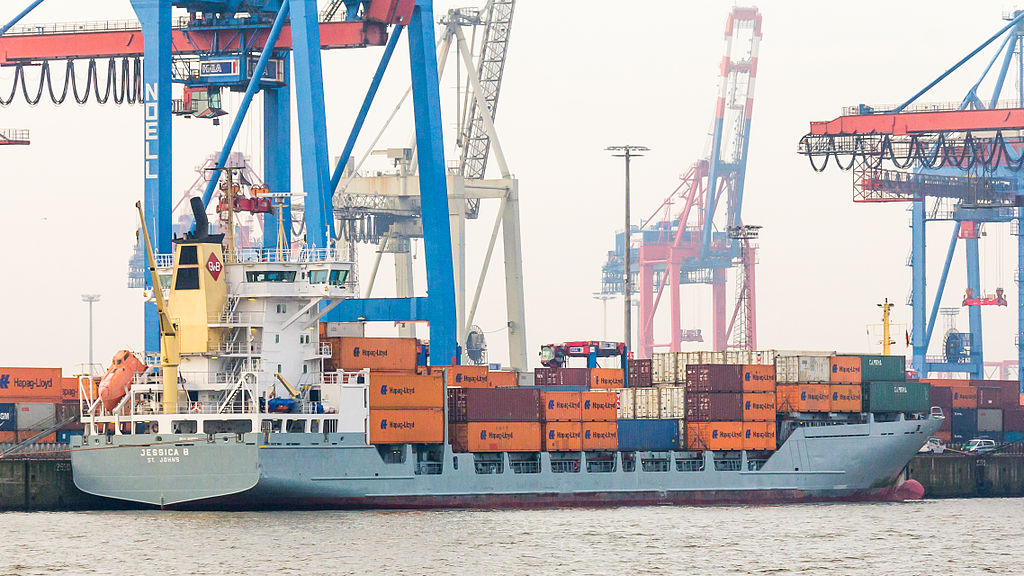
The U.S. is set to impose fees on Chinese-made ships entering its ports and introduce tax incentives to revive domestic shipbuilding, aiming to curb China’s influence over the $150 billion global shipping industry. A draft executive order by President Donald Trump outlines an 18-point plan, including a Maritime Security Trust Fund and tax credits to boost U.S. shipbuilding.
The White House is establishing an office within the National Security Council to coordinate efforts in strengthening the maritime industrial base. Trump's initiative has garnered bipartisan support, with Jake Sullivan, former national security adviser under Joe Biden, acknowledging China's unfair trade practices as a major threat to U.S. shipbuilding.
Decades of Chinese market dominance and dwindling U.S. naval readiness have raised concerns among lawmakers. The Biden administration’s recent trade probe found that China employs unfair practices to control the sector. The U.S. Trade Representative's office has proposed charging up to $1.5 million per Chinese-built vessel entering American ports.
Trump also celebrated BlackRock's acquisition of most of Hong Kong’s CK Hutchison’s $22.8 billion ports business, securing control over key Panama Canal ports. His administration aims to reclaim strategic maritime assets from Chinese ownership.
Additionally, bipartisan legislation has been reintroduced to monitor China’s port expansion globally. The draft plan also mandates a review of government procurement, wage increases for nuclear shipyard workers, and an Arctic security strategy.
Michael Wessel, a long-time advocate for revitalizing U.S. industry, emphasized the urgency of investing in supply chains and workforce development. "We can still lead industrially, but we must act now," he said.
With increasing bipartisan backing, the U.S. is ramping up efforts to regain its competitive edge in maritime industries and safeguard national security.







