


 Trump, Xi Focus on Trade and AI at White House Summit
  Australia Unemployment Hits Five-Year High Despite Strong Jobs Growth
  Japan Private-Sector Growth Slows as Domestic Demand Weakens
  Asian Stocks Fall as Surging Bond Yields Rattle Markets
  U.S. Treasury Yields Surge as 30-Year Hits 22-Year High
  US Stock Futures Fall as Treasury Yields Surge Ahead of Trump-Xi Summit
  U.S. Dollar Hits Two-Month High as Oil, Treasury Yields Surge
  Fed Unveils Stablecoin Rules Under GENIUS Act
  U.S. 10-Year Treasury Yield Hits 2007 High as Fed Rate Hike Bets Rise
  Japanese Bank Stocks Surge as Bond Yields Fuel Rate Hike Bets
  Wall Street Ends Flat as Oil, Treasury Yields and Fed Jitters Rattle Markets
  Wall Street Falls as Treasury Yields Surge, Oil Rebounds on Iran Tensions
  Russian Envoy Dmitriev Heads to US for Ukraine Talks
  Asian Stocks Fall as Bond Yields Surge Ahead of Trump-Xi Summit
  RBI Uses $10 Billion Currency Swaps to Drain Excess Rupee Liquidity
  Oil Prices Ease as Iran Tensions Clash With Diplomacy Hopes


 Add as a preferred source on Google
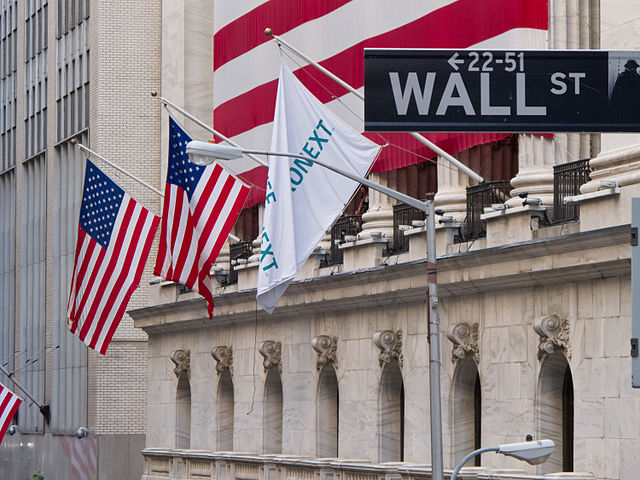
U.S. stocks ended lower on Friday, capping the worst monthly performance for Wall Street since March last year, as hotter-than-expected producer inflation data and continued weakness in technology stocks pressured investor sentiment. The S&P 500 fell 0.5% to 6,877.36, while the Nasdaq Composite dropped 0.9% to 22,668.21. The Dow Jones Industrial Average declined 1.1% to 48,977.18.
Technology shares led the downturn, with Nvidia stock sliding more than 5% despite reporting strong quarterly earnings. Investors appeared concerned about shareholder returns following a sharp rise in the company’s cash reserves, while profit-taking after a recent rally also weighed on the stock. For February, the S&P 500 lost 0.9% and the Nasdaq tumbled 3.4%, reflecting volatility driven by geopolitical tensions, trade uncertainty, and shifting views on artificial intelligence investment trends. Analysts noted growing concerns over AI-related capital expenditures and potential disruption risks in software and services.
Economic data added to market pressure. January’s Producer Price Index (PPI) rose 0.5% month-over-month and 2.9% year-over-year, exceeding expectations. Core PPI, which excludes food and energy, increased 0.8% monthly and 3.6% annually. The stronger inflation reading may delay Federal Reserve interest rate cuts, reinforcing concerns about sticky inflation. JPMorgan raised its January core PCE inflation estimate to 0.42%, suggesting the Fed could remain cautious in the coming months.
In corporate news, Netflix stock surged 14% after declining to raise its bid for Warner Bros. Discovery, while Paramount jumped nearly 21% following its improved $31-per-share offer. Dell Technologies soared 22% on record results fueled by AI server demand, and Block rallied 17% after announcing major job cuts to integrate artificial intelligence.
Meanwhile, OpenAI announced a record $110 billion funding round backed by Microsoft, SoftBank, Nvidia, and Amazon, underscoring surging AI demand. Oil prices also climbed, with Brent crude settling at $73.10 per barrel and WTI crude at $66.17, despite ongoing U.S.-Iran nuclear talks.







