


 China’s ‘Lipstick King’ Says AI Won’t Replace Livestream Hosts
  Dollar Holds Near Two-Month High as Yen Approaches 160
  Japan Private-Sector Growth Slows as Domestic Demand Weakens
  U.S. Treasury Yields Surge as 30-Year Hits 22-Year High
  Japanese Bank Stocks Surge as Bond Yields Fuel Rate Hike Bets
  Japanese Yen Rebounds as Trump Flags Currency Weakness
  RBI Uses $10 Billion Currency Swaps to Drain Excess Rupee Liquidity
  Wall Street Ends Flat as Oil, Treasury Yields and Fed Jitters Rattle Markets
  Canadian Dollar Faces Pressure as Fed-BoC Policy Gap Widens
  U.S. Dollar Hits Two-Month High as Oil, Treasury Yields Surge
  Oil Prices Ease as Iran Tensions Clash With Diplomacy Hopes
  Asian Stocks Fall as Bond Yields Surge Ahead of Trump-Xi Summit
  Oil Prices Jump 3% as Houthi Attack Revives Supply Fears
  US Stock Futures Fall as Treasury Yields Surge Ahead of Trump-Xi Summit
  Trump, Xi Focus on Trade and AI at White House Summit
  Gold Prices Fall as Treasury Yields Rise on Fed Rate Hike Bets


 Add as a preferred source on Google
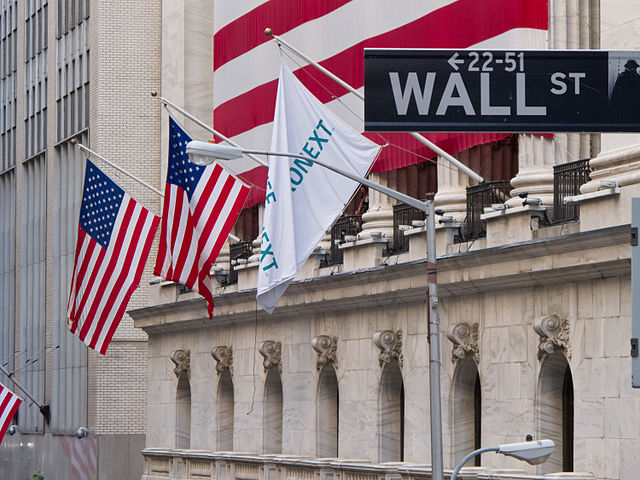
U.S. stock index futures were little changed on Sunday evening as investors weighed heightened geopolitical risks following a U.S. military operation in Venezuela and the detention of President Nicolas Maduro. Market participants remained cautious at the start of the first full trading week of January, balancing global uncertainty with anticipation ahead of key U.S. economic data.
S&P 500 futures edged up 0.1% to 6,908.25 points, while Nasdaq 100 futures gained 0.3% to 25,461.75 points. Dow Jones futures slipped 0.1% to 48,581.0 points, reflecting mixed sentiment as traders assessed potential market implications of the developing situation.
Wall Street closed last week without a traditional year-end rally. On Friday, the Dow Jones Industrial Average rose 0.7%, the S&P 500 added 0.2%, and the Nasdaq Composite finished largely unchanged. Thin liquidity and a lack of conviction kept gains modest as investors avoided large bets ahead of new catalysts.
Market uncertainty intensified over the weekend after U.S. forces reportedly launched strikes in Venezuela and captured President Maduro, who was flown out of the country to face charges. President Donald Trump confirmed the operation via social media, describing it as decisive action against a criminal regime and stating that the U.S. would oversee a safe and orderly political transition. While senior officials later emphasized there were no plans for long-term involvement, investor concerns lingered over potential regional and global spillovers.
Energy markets drew particular attention, given Venezuela’s position as home to the world’s largest proven oil reserves. Any disruption to supply could influence oil prices and inflation expectations, adding another layer of complexity to the outlook for equities.
Beyond geopolitics, investors are looking ahead to the U.S. December jobs report due Friday, a key indicator for Federal Reserve policy. Markets are currently pricing in two additional 25-basis-point rate cuts in 2026 following December’s easing, though divisions among policymakers have kept expectations fluid. As a result, volatility may remain elevated as traders navigate both global risks and domestic economic signals.







