


 North Korea Warns South Korea Over US-Led Defense Role
  NATO Boosts Intelligence Sharing Amid Russia Hybrid Threats
  Sudan Rejects US Legitimacy Remarks, Defends Sovereignty
  Najib Razak Seeks Stay of 15-Year 1MDB Prison Sentence
  Ghana Says Western Support Growing for Slave Trade Reparations
  US Senate Rejects Iran War Powers Resolution in 50-49 Vote
  Saudi Arabia, Turkey and Pakistan Plan Urgent Defence Talks Over Houthi Attacks
  Abbas Reaffirms November 28 Palestinian Elections
  Trump, Xi Visit US National Archives After White House Summit
  Taiwan Thanks US for Support Ahead of Trump-Xi Summit
  Yemen Violence Displaces 130,000 as Civilian Toll Rises
  Ukrainian Drone Attacks Hit Russian Regions, Injuring at Least 12
  Trump, Xi Focus on Trade and AI at White House Summit
  France Defends Netanyahu Airspace Clearance Despite ICC Warrant
  Kremlin Says No Decision Yet on Putin-Trump December Summit
  South Korea, US Discuss Warship Building Cooperation
  EU Defence Build-Up Too Slow for 2030 Russia Readiness Goal


 Add as a preferred source on Google
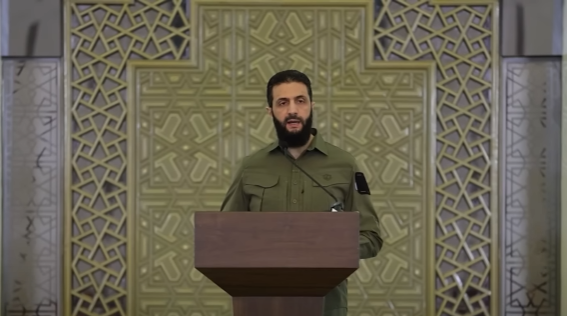
A series of high-level diplomatic meetings in Damascus, Paris, and Iraq paved the way for the Syrian government’s rapid takeover of territory long controlled by the Kurdish-led Syrian Democratic Forces (SDF), fundamentally reshaping Syria’s balance of power, according to sources cited by Reuters. The developments highlight a major policy shift by the United States, which chose not to block the operation despite its long-standing alliance with the SDF.
The offensive has allowed Syrian President Ahmed al-Sharaa, a former rebel leader, to consolidate control over nearly all Syrian territory and position his government as Washington’s preferred partner in Syria. Sources familiar with the talks said the U.S. administration under President Donald Trump viewed a unified Syrian state as a more viable long-term partner than maintaining a separate relationship with the SDF.
The SDF, backed by the U.S. since 2015 in the fight against Islamic State, had established an autonomous administration in northeast Syria. However, after Sharaa’s forces ousted Bashar al-Assad in late 2024, Damascus renewed its push to reintegrate SDF-controlled areas. Negotiations stalled throughout 2025, and by early January, Syrian officials signaled their readiness for military action.
During U.S.-brokered meetings in Paris, Syrian representatives floated the idea of a limited offensive and reportedly faced no objections. Turkey, a longtime opponent of the SDF, also conveyed that Washington would tolerate an operation if Kurdish civilians were protected. Within weeks, Syrian forces advanced rapidly, while U.S. officials quietly informed SDF leaders that American priorities now lay with Damascus.
Although U.S. military assets issued warnings and sought to limit civilian harm, Kurdish officials accused Washington of abandoning a key ally. As Syrian troops advanced beyond agreed limits, concerns grew in Washington about civilian safety and regional instability, prompting threats of renewed sanctions. Sharaa ultimately announced a ceasefire tied to SDF integration talks, a move that appeased U.S. officials.
The episode underscores a decisive shift in U.S. Syria policy, signaling the end of the SDF’s autonomous ambitions and reinforcing Damascus’s authority over the country.







