


 Mexico-US Trade Talks Delayed to October as Tariff Negotiations Continue
  Fed’s Hammack Says Bond Yield Surge Is Not Driven by Inflation Fears
  Japanese Yen Rebounds as Trump Flags Currency Weakness
  Dollar Holds Near Two-Month High as Yen Approaches 160
  Soybean Futures Slip as Traders Await Trump-Xi Trade Signals
  Asian Currencies Mixed as Dollar Holds Near Two-Month High
  US 10-Year Treasury Yield at 6% Emerges as New Market Risk Threshold
  Asian Stocks Fall as Bond Yields Surge Ahead of Trump-Xi Summit
  Fed Unveils Stablecoin Rules Under GENIUS Act
  Oil Prices Jump 3% as Houthi Attack Revives Supply Fears
  Germany’s 2026 Growth Outlook Strengthens on Fiscal Spending
  US Stock Futures Fall as Treasury Yields Surge Ahead of Trump-Xi Summit
  Dollar Falls as Oil Eases, Yen Jumps on Intervention Signals
  Gold Holds Near $4,275 as Rising Treasury Yields Fuel Fed Rate Hike Bets
  RBI Uses $10 Billion Currency Swaps to Drain Excess Rupee Liquidity
  Canadian Dollar Faces Pressure as Fed-BoC Policy Gap Widens
  Gold Prices Fall as Treasury Yields Rise on Fed Rate Hike Bets


 Add as a preferred source on Google
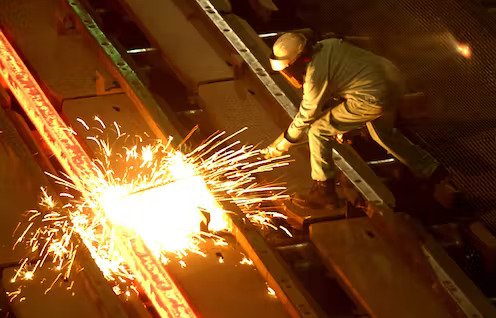
The U.S. decision to double Section 232 tariffs on steel imports to 50% is raising concerns about global trade and supply chain disruptions, though its immediate impact on iron ore markets appears limited. According to UBS, U.S. steel imports have dipped just 3% year-to-date through April, with domestic producers running at around 78% utilization. The increased tariffs could push hot-rolled coil prices near $1,000 per short ton, up from about $840, possibly encouraging more domestic production.
However, analysts caution that rising trade tensions could hurt global growth and reduce demand for iron ore. Despite these macro risks, the iron ore market has remained resilient, supported by tight supply fundamentals. Spot prices are hovering around $96 per tonne, with UBS noting the price has held near $100/t, aided by low Chinese port inventories and strong steel exports.
China remains a key factor. Its finished steel exports have already surpassed 100 million tonnes in 2025, helping counterbalance slower domestic production and keeping iron ore demand steady. UBS also highlights a recovery in supply, with Brazilian exports hitting 9.6 million tonnes in late May—the highest weekly total this year. Australian shipments have also rebounded, helping stabilize global supply.
Investment sentiment remains cautious. UBS maintains Neutral ratings on major iron ore miners like Vale (NYSE:VALE), Rio Tinto (NYSE:RIO), BHP (ASX:BHP), and Fortescue Metals (ASX:FMG), citing modest free cash flow yields of 3–4% based on current prices. Rising short positions on Dalian iron ore contracts suggest growing speculative activity.
Ultimately, the outlook for iron ore will hinge on China’s continued steel demand and export strength, as well as how global trade tensions evolve in the coming months.







