


 NASA's Artemis II Crew Arrives in Florida for Historic Moon Mission
  Cybersecurity Stocks Tumble After Anthropic's Claude Mythos AI Leak Sparks Market Fears
  Brown-Forman and Pernod Ricard in Merger Talks to Create World's Largest Spirits Giant
  Xiaomi's AI Model "Hunter Alpha" Mistaken for DeepSeek's Next Release
  Reflection AI Eyes $25 Billion Valuation in Massive $2.5 Billion Funding Round
  Nomura Upgrades PDD Holdings to Buy, Calls Stock Too Cheap to Ignore
  Palantir's Maven AI Earns Pentagon "Program of Record" Status, Reshaping Military AI Strategy
  Amazon's "Transformer" Phone: Can It Succeed Where Fire Phone Failed?
  Ukrainian Drones and the #MadeByHousewives Movement: Kyiv Fires Back at Rheinmetall CEO
  Google's TurboQuant Algorithm Sends Memory Chip Stocks Tumbling
  AWS Bahrain Region Disrupted by Drone Activity Amid Middle East Conflict
  Federal Judge Blocks Pentagon's Blacklisting of AI Company Anthropic
  Trump White House Unveils National AI Policy Framework for Congress
  Chinese Universities with PLA Ties Found Purchasing Restricted U.S. AI Chips Through Super Micro Servers
  Innate Pharma Reports 55% Revenue Drop and €49.2M Net Loss for 2025
  Nintendo Switch 2 Production Cut as Holiday Sales Miss Targets
  Golden Dome Missile Defense: Anduril and Palantir Join Forces on Trump's $185B Space Shield


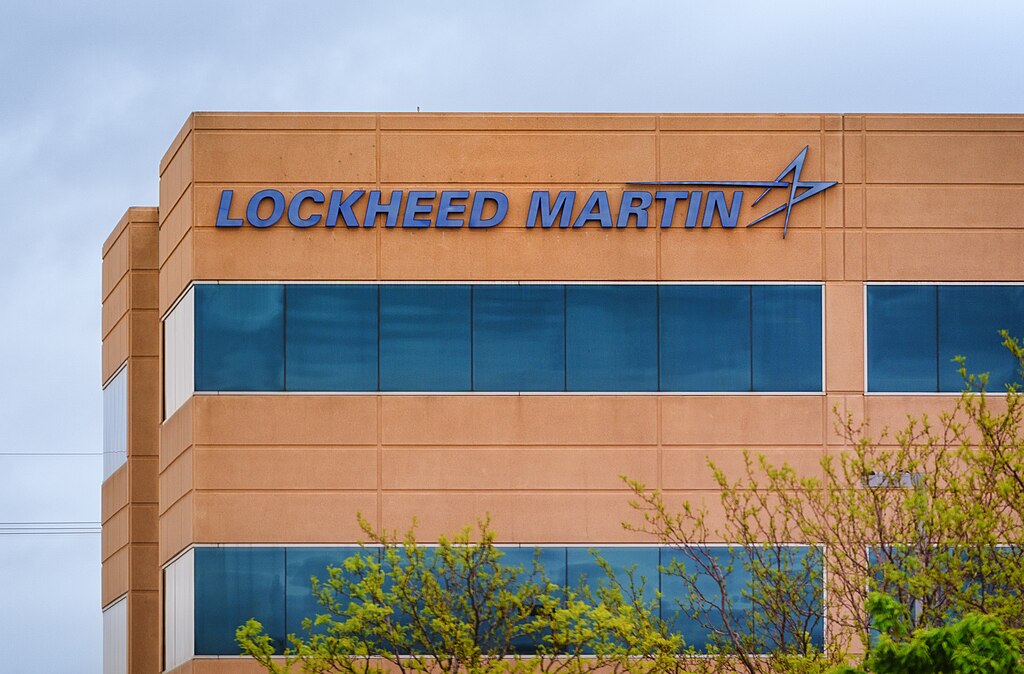
The U.S. Space Force has quietly awarded several small Golden Dome contracts to major defense companies, initiating a competitive push to develop next-generation missile-defense technology. According to sources familiar with the awards, recipients include Northrop Grumman, Lockheed Martin, True Anomaly and Anduril—marking a significant step toward building space-based systems capable of detecting, tracking and intercepting enemy missiles.
These early-stage contracts focus on creating prototype space-based interceptors and advanced fire-control systems designed to guide those interceptors using satellite data. While the exact contract values were not disclosed, a Pentagon presentation from July indicated interceptor awards were expected to be around $120,000 each. A Space Force spokesperson confirmed the awards but declined to identify the companies, noting that contracts under $9 million are not required to be publicly listed.
Two sources stated that Northrop Grumman and Anduril received contracts valued at roughly $10 million based on figures from the July presentation. The government originally requested four versions of missile interceptors to address different threat altitudes and speeds, though a third source noted these four pools could be consolidated into three.
These prototype contracts are only the beginning. Companies selected in this phase will go on to compete for full-scale production deals potentially worth tens of billions of dollars. The Pentagon’s structure uses “prize pools” to incentivize rapid innovation, with the largest—valued at $340 million—reserved for companies that successfully complete on-orbit tests. First-place performers could earn $125 million, while fifth place could secure $40 million.
Ultimately, annual production awards for space-based interceptors are estimated between $1.8 billion and $3.4 billion. But industry executives caution that building and testing a single prototype could cost anywhere from $200 million to $2 billion. If successful, the program would revolutionize U.S. missile-defense capabilities by positioning interceptors in orbit to neutralize threats earlier in their trajectory than current ground-based systems allow.







