


 US Backs Musk in Fight Against EU’s €120 Million X Fine
  North Korea Rejects Nuclear Test Warning, Calls Nuclear Status Irreversible
  DOJ Will Investigate AI-Related Crimes, Attorney General Blanche Says
  Pope Leo Warns UN, Multilateral Groups Face Crisis
  Ukrainian Drone Attacks Hit Russian Regions, Injuring at Least 12
  Trump Administration Plans Faster FDA Reviews for Smoke-Free Nicotine Products
  Australia Tightens Student Visa Rules, Targets Migration Cut by 2028
  Pentagon Restarts Testosterone Testing for US Troops
  ICE Agent Arrested in Minneapolis Over Venezuelan Man Shooting
  North Korea Warns South Korea Over US-Led Defense Role
  Iran Rejects Nuclear Concessions in Hormuz Deal
  Netanyahu Defends Israel at UN as Delegates Stage Walkout
  US Northeast Airports Resume Operations After Telecom Outage Disrupts Thousands of Flights
  Saudi Arabia, Turkey and Pakistan Plan Urgent Defence Talks Over Houthi Attacks
  Trump Bans CNN, MS NOW and Politico From White House
  Judge Orders Trump to Restore White House Access for CNN, MS NOW and Politico


 Add as a preferred source on Google
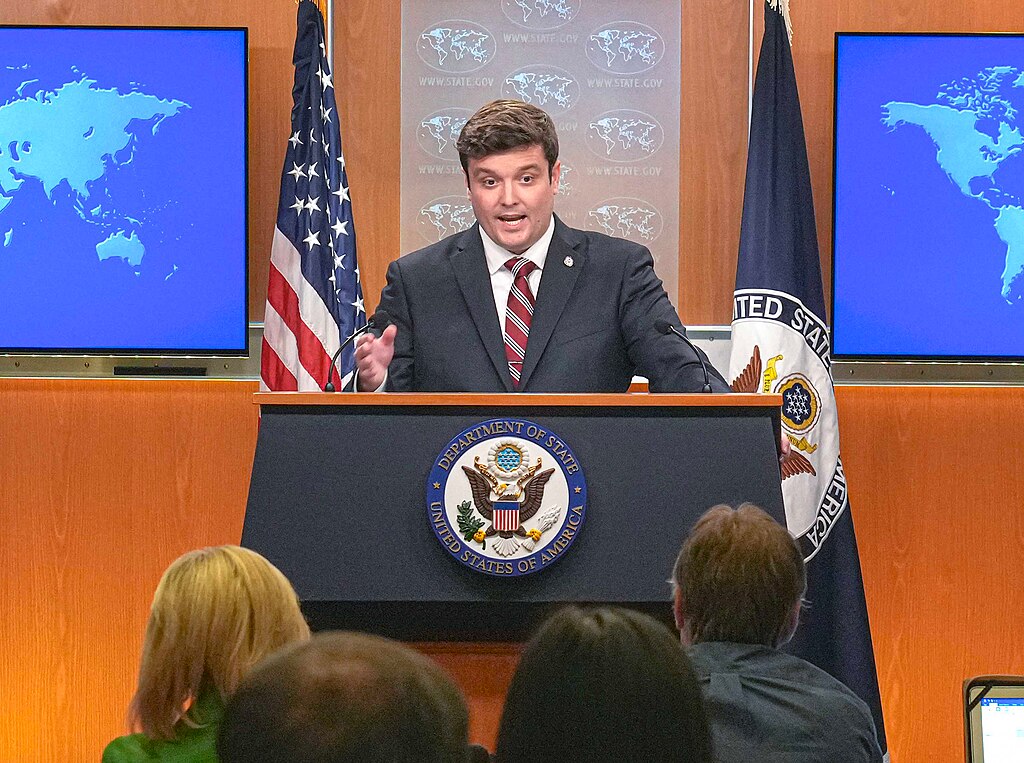
The United States has imposed strict limits on the Iranian delegation attending the 80th United Nations General Assembly in New York. The restrictions confine Iranian officials to official routes between their hotel and the U.N. headquarters, while banning access to wholesale stores and luxury goods.
U.S. State Department deputy spokesperson Tommy Pigott said the move aims to “maximize pressure” on Iran’s clerical leadership, accusing it of indulging in luxuries abroad while ordinary Iranians face poverty, failing infrastructure, and shortages of water and electricity. He stressed that the measures highlight Washington’s support for the Iranian people, not its leadership.
The restrictions come as Iran grapples with deep economic troubles. Years of sanctions, corruption, and mismanagement have fueled public anger, leading to repeated protests since 2017. Tehran fears renewed unrest from lower and middle-income communities hit hardest by inflation and job losses. Despite its public defiance, Iran is seen as preferring diplomacy to resolve disputes over its nuclear program, which the U.S., European allies, and Israel allege is aimed at developing nuclear weapons—claims Tehran denies.
Tensions have intensified in recent months. In June, the U.S. joined Israel in strikes on Iranian nuclear sites during a 12-day conflict. Meanwhile, President Donald Trump revived his “maximum pressure” campaign, seeking to cut Iran’s oil exports to zero and further destabilize its fragile economy.
Pigott said Secretary of State Marco Rubio ordered the restrictions to prevent Iran from “exploiting the U.N. General Assembly to advance its terrorist agenda.” He emphasized that safeguarding American security remains a top priority.
The Iranian foreign ministry has not commented on the restrictions, while the U.N. headquarters continues to host world leaders for the annual summit in Midtown Manhattan.







