


 Colombia Extradites FARC Dissident Leader ‘Spider’ to US
  Pezeshkian Says US Must Choose When Iran War Ends
  US Supreme Court Revives Trump Administration Voter Citizenship Database
  Netanyahu’s Brief US Trip Highlights Strains With Trump
  EU Defence Build-Up Too Slow for 2030 Russia Readiness Goal
  NATO Boosts Intelligence Sharing Amid Russia Hybrid Threats
  Putin Says Ukraine Peace Proposals Remain on Table
  Abbas Reaffirms November 28 Palestinian Elections
  France Defends Netanyahu Airspace Clearance Despite ICC Warrant
  Trump Asks Supreme Court to Restore Third-Country Deportations
  Pope Leo Warns UN, Multilateral Groups Face Crisis
  North Korea Warns South Korea Over US-Led Defense Role
  Saudi Arabia Seeks Military Support as Houthi Attacks Escalate
  Netanyahu Defends Israel at UN as Delegates Stage Walkout
  Trump Warns China Against Supporting Iran in Xi Talks
  What ‘Taiwan Independence’ Means as Xi Presses Trump on US Policy


 Add as a preferred source on Google
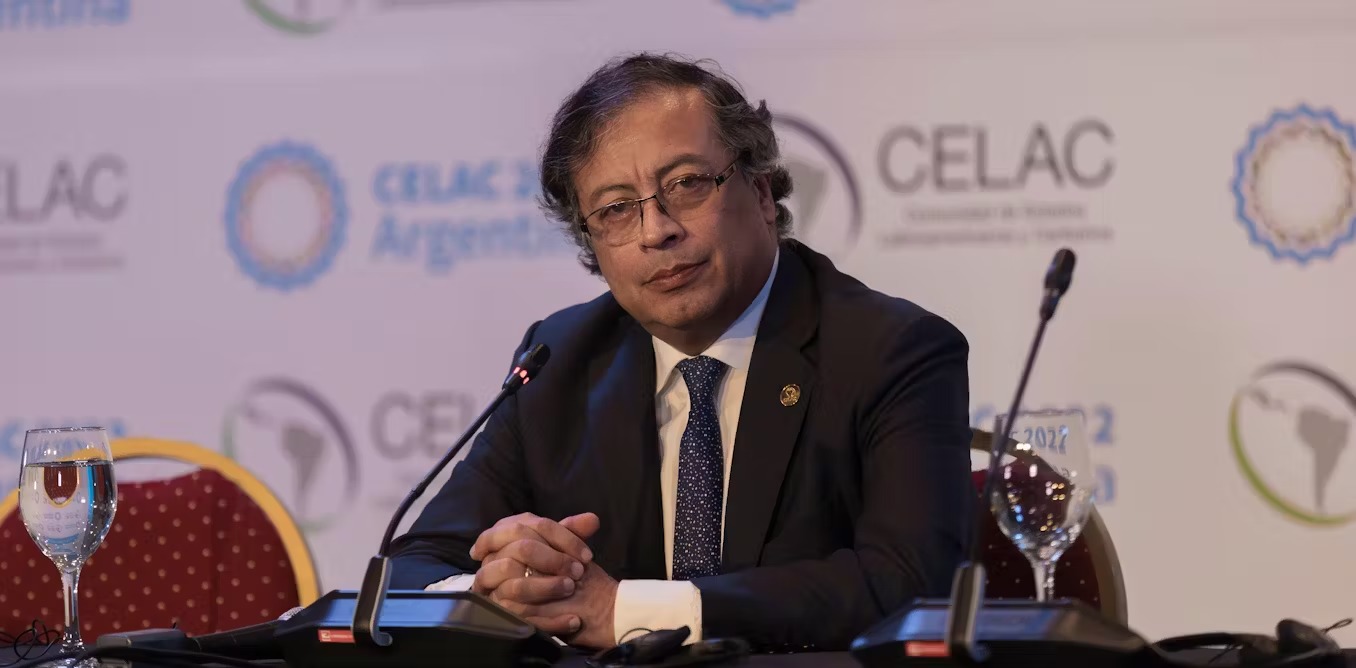
U.S. Secretary of State Marco Rubio emphasized on Saturday that Washington’s recent sanctions targeting Colombian President Gustavo Petro are not intended to harm Colombia’s citizens or its economy. Speaking to reporters while traveling from Israel to Qatar, Rubio clarified that the United States maintains a “strong and enduring” partnership with the Colombian people and key national institutions, particularly the country’s security forces.
The remarks followed Washington’s decision on Friday to blacklist President Petro and his family, accusing him of emboldening “narco terrorists.” The move has stirred diplomatic tensions between Bogotá and Washington. Rubio explained that while the Trump administration viewed Petro as increasingly hostile, the actions were specifically directed at his leadership—not the Colombian nation as a whole.
“This is not a U.S.-versus-Colombia thing,” Rubio stated. He stressed that the administration deliberately avoided trade or tariff sanctions to prevent economic repercussions for Colombian citizens. “We separate that from the people of Colombia. That’s why you don’t see tariff action. That’s why we don’t want to harm the Colombian economy,” he added.
The U.S. military has also heightened its presence in the southern Caribbean, carrying out strikes on vessels in international waters that it claims are involved in drug trafficking. President Donald Trump intensified the rhetoric earlier this week by labeling Petro an “illegal drug leader” after Petro accused Washington of “murder” in relation to those military operations.
Despite escalating diplomatic friction, Rubio underscored that the U.S. remains committed to Colombia’s long-term stability and cooperation, reiterating that the sanctions were meant to hold a foreign leader accountable rather than penalize an allied nation.







