


 Elon Musk’s Empire: SpaceX, Tesla, and xAI Merger Talks Spark Investor Debate
  SpaceX Seeks FCC Approval for Massive Solar-Powered Satellite Network to Support AI Data Centers
  Nasdaq Proposes Fast-Track Rule to Accelerate Index Inclusion for Major New Listings
  Amazon Stock Rebounds After Earnings as $200B Capex Plan Sparks AI Spending Debate
  Nvidia Confirms Major OpenAI Investment Amid AI Funding Race
  Nvidia CEO Jensen Huang Says AI Investment Boom Is Just Beginning as NVDA Shares Surge
  Alphabet’s Massive AI Spending Surge Signals Confidence in Google’s Growth Engine
  SoftBank Shares Slide After Arm Earnings Miss Fuels Tech Stock Sell-Off
  Missouri Judge Dismisses Lawsuit Challenging Starbucks’ Diversity and Inclusion Policies
  Sony Q3 Profit Jumps on Gaming and Image Sensors, Full-Year Outlook Raised
  Jensen Huang Urges Taiwan Suppliers to Boost AI Chip Production Amid Surging Demand
  Prudential Financial Reports Higher Q4 Profit on Strong Underwriting and Investment Gains
  TrumpRx Website Launches to Offer Discounted Prescription Drugs for Cash-Paying Americans
  Sam Altman Reaffirms OpenAI’s Long-Term Commitment to NVIDIA Amid Chip Report
  Instagram Outage Disrupts Thousands of U.S. Users


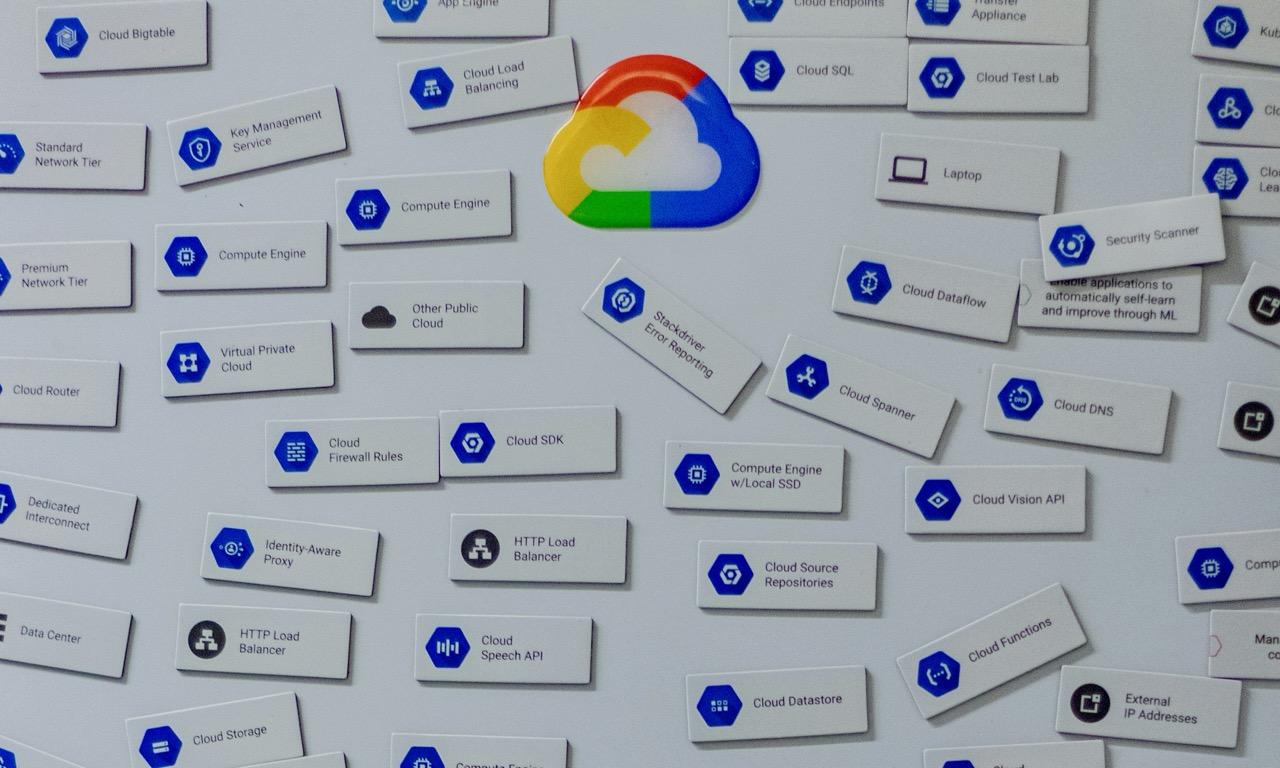
The United States is ramping up its efforts to closely monitor and expose foreign clients using cloud service providers like Amazon, Google, and Microsoft to develop artificial intelligence (AI) applications. This latest move is part of an ongoing technology conflict between Washington and Beijing.
The Proposed Regulations and their Implications
In a proposal released on January 29, Bloomberg reported that the Biden administration called for cloud service providers to disclose their foreign customers' names and IP addresses. The draft rule, published on January 28, also requires companies like Amazon, Google, and others in the industry to allocate resources for collecting and reporting suspicious activities.
Implementing these stringent regulations could have significant consequences, as it could hinder Chinese firms' access to data centers and servers crucial for training and hosting AI models. Additionally, the burden of collecting, storing, and analyzing customer data would lie upon the cloud services providers, similar to the strict know-your-customer rules in the financial industry.
According to The Straits Times, US cloud providers have expressed concerns over potential restrictions on their overseas activities, mainly if allied countries do not adopt similar measures. This discrepancy could put American firms at a disadvantage in the global market.
Notably, representatives from industry giants like Microsoft, Amazon, and Google have not yet commented on these proposed regulations outside of regular US working hours. The Commerce Department spokesperson referred Bloomberg to Commerce Secretary Gina Raimondo's remarks from last week.
National Security Threats and Focus on Chinese Firms
On January 26, Secretary Raimondo emphasized the urgency of addressing national security threats posed by AI development. This effort is primarily aimed at scrutinizing Chinese companies due to Washington's previous efforts to restrict Beijing's access to advanced semiconductors. The United States aims to curtail Chinese firms' ability to develop AI with potential military applications.
As tensions between the United States and China continue to escalate, the technology sector has become a focal point. The proposed regulations, if enacted, could significantly disrupt the collaboration between Chinese and US tech firms, impacting various industries and innovation.
Photo: Mitchell Luo/Unsplash













