


 Samsung Electronics Stock Surges on Report of Massive $59 Billion Share Buyback Plan
  SK Hynix Moves Closer to New York ADR Listing Amid AI Chip Boom
  US Raises Concerns Over Possible ASML EUV Machine Transfer to China
  Google Gemini Co-Lead Noam Shazeer Leaves for OpenAI Amid AI Talent Race
  Venezuela Deploys Troops to Crack Down on Illegal Gold Mining Amid Push for Foreign Investment
  Today’s space race could turn fatal if we don’t agree on new rules
  WiseTech Global Denies Knowledge of Investigation Into Founder Richard White
  U.S. Launches Trade Investigation Into Germany’s Pharmaceutical Cost-Cutting Plans
  World Cup technology: from ref cams to AI analysts, cutting-edge research is changing the game
  100+ Global Companies Push Governments to Prioritize Electrification for Economic Growth
  California Drivers Sue BP, Walmart, 7-Eleven Over Alleged AI Gas Price Fixing
  SpaceX Stock Plunges 16% as KeyBanc Warns Valuation May Be Overstretched
  NHTSA Investigates Fatal Tesla Model 3 Crash in Texas Amid Ongoing Autopilot and FSD Safety Scrutiny
  Tencent Reviews Marvelous Stake as Gaming Giant Reassesses Global Investment Strategy
  Oracle Cuts 21,000 Jobs as AI Reshapes Workforce and Cloud Expansion Accelerates
  Ryan Cohen Rejects GameStop Pay Package, Prepares New eBay Acquisition Plan
  Trump Administration Closes Delta Air Lines Investigation Over 2024 CrowdStrike Outage


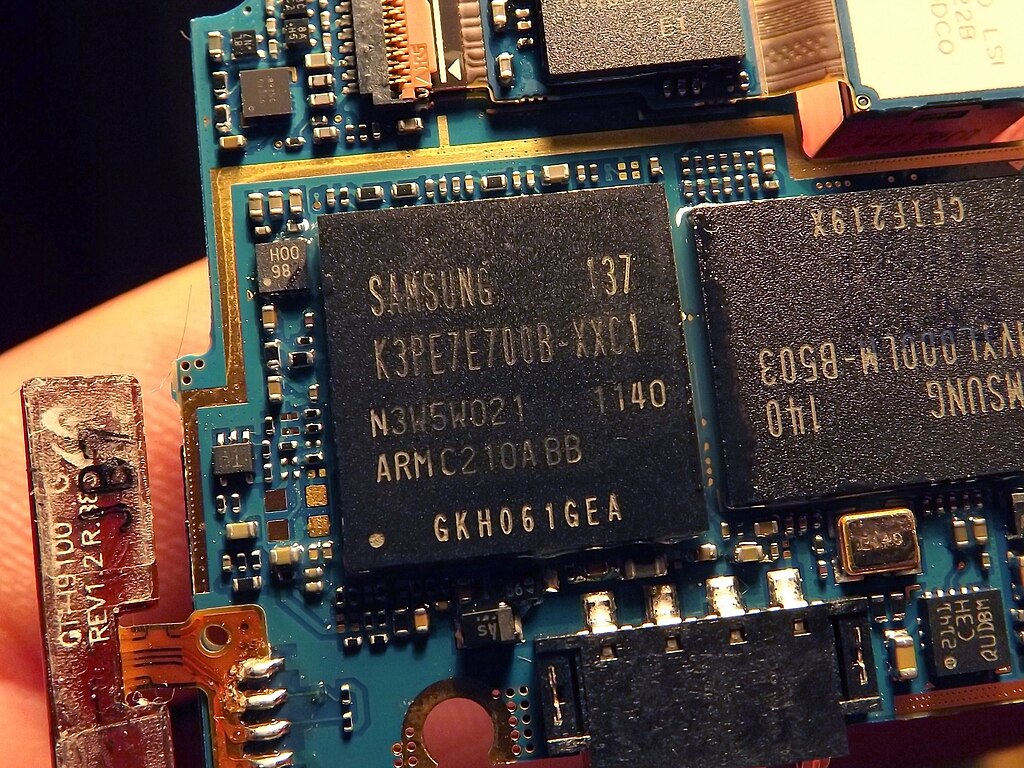
The United States is considering new rules that would require Samsung Electronics and SK Hynix to seek yearly approvals for exporting chipmaking equipment to their factories in China, according to a Bloomberg report. The proposal marks a shift from the indefinite authorizations the companies previously held under the Biden administration, signaling tighter oversight of semiconductor supply chains linked to China.
Sources cited by Bloomberg revealed that U.S. Commerce Department officials recently introduced a “site license” concept during talks with South Korean counterparts. This approach would replace the existing open-ended approvals with an annual review process, giving Washington greater control over advanced chipmaking tools supplied to facilities in China.
The move comes amid heightened U.S.-China tensions over technology access and efforts to restrict China’s ability to advance in semiconductor production. By requiring yearly checks, U.S. authorities aim to balance national security concerns with the global chip industry’s need for stability. Samsung and SK Hynix, two of the world’s leading memory chipmakers, have extensive investments in China, making them key stakeholders in the evolving policy.
While the report highlights growing scrutiny, it also underscores ongoing negotiations between Washington and Seoul. South Korea remains a crucial ally in U.S. semiconductor strategy, and any policy shift could affect global supply chains. As the semiconductor industry faces rising demand and geopolitical challenges, the proposed changes signal that U.S. export controls will continue to play a central role in shaping the future of chip manufacturing.
Reuters has not independently verified Bloomberg’s report, but the development highlights the uncertainty chipmakers face as global governments tighten regulations around critical technologies.







