


 North Korea Warns South Korea Over US-Led Defense Role
  Fed Unveils Stablecoin Rules Under GENIUS Act
  Ukrainian Drone Attacks Hit Russian Regions, Injuring at Least 12
  Oil Prices Surge as U.S.-Iran Diplomacy Hopes Fade
  Asian Currencies Mixed as Dollar Holds Near Two-Month High
  China’s ‘Lipstick King’ Says AI Won’t Replace Livestream Hosts
  Trump, Xi Visit US National Archives After White House Summit
  Mexico-US Trade Talks Delayed to October as Tariff Negotiations Continue
  Oil Prices Jump 3% as Houthi Attack Revives Supply Fears
  RBI Uses $10 Billion Currency Swaps to Drain Excess Rupee Liquidity
  Trump, Xi Focus on Trade and AI at White House Summit
  Japanese Bank Stocks Surge as Bond Yields Fuel Rate Hike Bets
  Asian Stocks Fall as Bond Yields Surge Ahead of Trump-Xi Summit
  EU Defence Build-Up Too Slow for 2030 Russia Readiness Goal
  U.S. 10-Year Treasury Yield Hits 2007 High as Fed Rate Hike Bets Rise
  South Korea, US Discuss Warship Building Cooperation
  Gold Prices Fall as Treasury Yields Rise on Fed Rate Hike Bets


 Add as a preferred source on Google
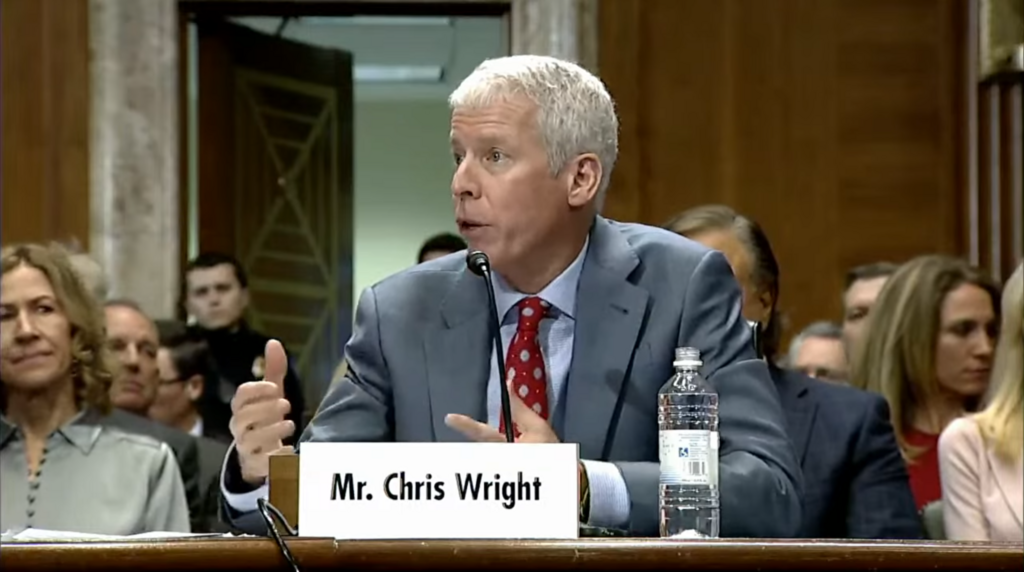
U.S. Energy Secretary Chris Wright announced that his department is coordinating with the White House National Security Council to closely monitor escalating tensions between Israel and Iran and their potential impact on global energy markets. Following Israeli airstrikes on Iranian nuclear facilities and Iran’s retaliatory missile attacks, fears of wider regional conflict pushed global crude oil prices up 7% to over $74 per barrel.
While Iran’s oil infrastructure has not been hit, analysts warn that prolonged conflict could disrupt supply chains and drive prices higher. U.S. gasoline prices are expected to rise by roughly 20 cents per gallon during the peak summer driving season, potentially increasing inflationary pressures and posing political challenges for President Donald Trump, who has championed low energy costs as a policy priority.
Wright emphasized on X that Trump’s pro-production energy policy, which includes reducing environmental regulations, has strengthened U.S. energy security. However, analysts from ClearView Energy Partners suggest that the administration may need to consider tapping the U.S. Strategic Petroleum Reserve (SPR), which currently holds 402.1 million barrels, or negotiating with OPEC+ for increased output if prices continue to climb.
Fatih Birol, Executive Director of the International Energy Agency (IEA), also took to X, noting the global oil security system holds over 1.2 billion barrels in emergency reserves. In response, OPEC criticized Birol’s comments as fearmongering, saying they unnecessarily stoked market anxiety.
With oil volatility rising amid Middle East instability, the Biden administration faces tough choices in balancing market stability, strategic reserves, and global diplomacy, while keeping domestic fuel costs under control during a politically sensitive season.







