


 Telegram Restored on Apple App Store After Temporary Removal
  DBS Raises 2025 Outlook After Record Q2 Profit Driven by Wealth Management
  Trump Orders Warning Signs Outside Smithsonian Museum Over ‘Anti-American’ Exhibits
  UOB Q2 Net Profit Rises 10% as Wealth Management Growth Boosts Earnings
  Qantas Shares Climb as Long-Haul Pilot Deal Eases Strike Concerns
  Global Leaders Push Back as Trump Imposes New Forced Labor Tariffs
  Infineon Raises 2026 Revenue Outlook as AI Data Center Demand Fuels Record Quarterly Sales
  25 Democratic-Led States Sue Trump Administration Over New Global Tariffs
  SpaceX Targets Starship Flight 14 With First V3 Starlink Satellite Launch
  Samsung, SK Hynix Test AMEC Chipmaking Tools for China Backup Plan
  Apple Stock Slides 7% as Weak Sales Forecast Overshadows Quarterly Earnings Beat
  US Watchdog Finds State Department Struggled After USAID Shutdown Takeover
  Moderna Wins FDA Approval for mFLUSIVA mRNA Flu Vaccine for Adults 50+
  Vast Eyes Hong Kong IPO as Chinese AI Unicorn Gains Momentum
  FAA Proposes Inspections for Boeing 737 MAX Passenger Seats Over Installation Concern
  Nvidia to Invest Up to $3 Billion in Blackstone-Backed Lancium
  Palantir Stock Soars as AI Demand Drives Strong Q2 Earnings and Higher 2026 Outlook


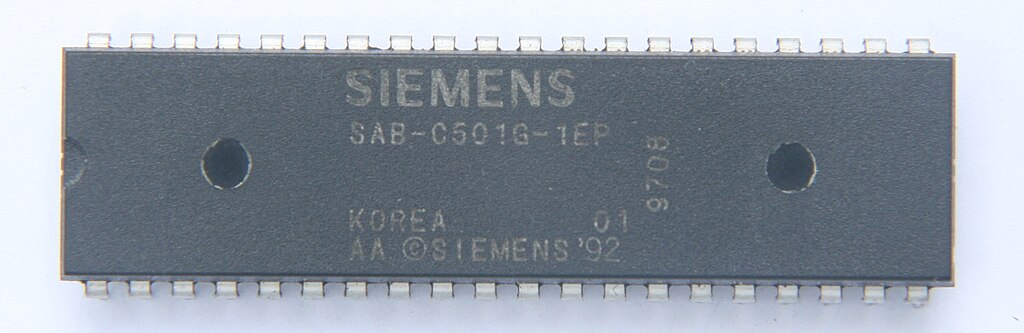
Siemens AG has reportedly received a notice from the U.S. government confirming the removal of export restrictions on its chip design software for use in China, according to Bloomberg News. The decision marks a notable shift in U.S. trade policy amid ongoing tensions with China over access to advanced semiconductor technologies.
The initial export controls, introduced to curb China's development of cutting-edge chips, had affected companies like Siemens that supply essential electronic design automation (EDA) tools. These tools are crucial for developing semiconductors used in a wide range of industries, from telecommunications to automotive technology.
The lifting of restrictions could offer Siemens renewed access to a key market and potentially unlock business opportunities in China’s rapidly growing tech sector. It also suggests the U.S. may be selectively easing certain rules to balance national security concerns with commercial interests.
While Washington continues to enforce broad chip export controls against China, the exemption granted to Siemens indicates a more nuanced regulatory approach. Analysts believe this could benefit both U.S.-allied tech firms and global supply chain dynamics, particularly in semiconductor design and manufacturing.
Siemens has not issued an official statement, and the U.S. Commerce Department has yet to comment on the matter. However, the development is likely to draw attention from the global semiconductor industry, which closely monitors policy changes that impact cross-border technology flows.
As chip demand continues to rise globally, especially for AI and advanced computing, easing some export restrictions could support innovation while maintaining oversight on sensitive technologies. This latest move may signal more targeted licensing decisions ahead as governments aim to support strategic industries without compromising security.







