


 Brazil Warns EU of Retaliation Over Animal Products Ban
  Pacific Leaders Raise Alarm Over China Missile Test as Nauru Dissents
  Trump’s Arlington Arch Project Faces New Court Restrictions
  Lula Runs Cautious Brazil Election Campaign as Bolsonaro Narrows Poll Gap
  Milei Threatens Falkland Oil Firms With Sanctions
  Trump Grants Clemency to Jay-Z Associate Emory Jones
  Texas Republicans Turn Against AI Data Centers as Election Backlash Grows
  US Oil Blockade Deepens Iran’s Economic Crisis
  Australia, US Move to Expand Defence Ties in Indo-Pacific
  Maduro Seeks Dismissal of US Drug Trafficking Charges
  US Investigates Deadly Strike on Iranian Wedding
  Iran’s Hormuz Oil Pressure Fades as Gulf Crude Flows Continue
  Trump Seeks Europe Repayment for U.S. Ukraine Military Aid
  Vietnam Leader To Lam Plans Russia, France, US and Canada Visits


 Add as a preferred source on Google
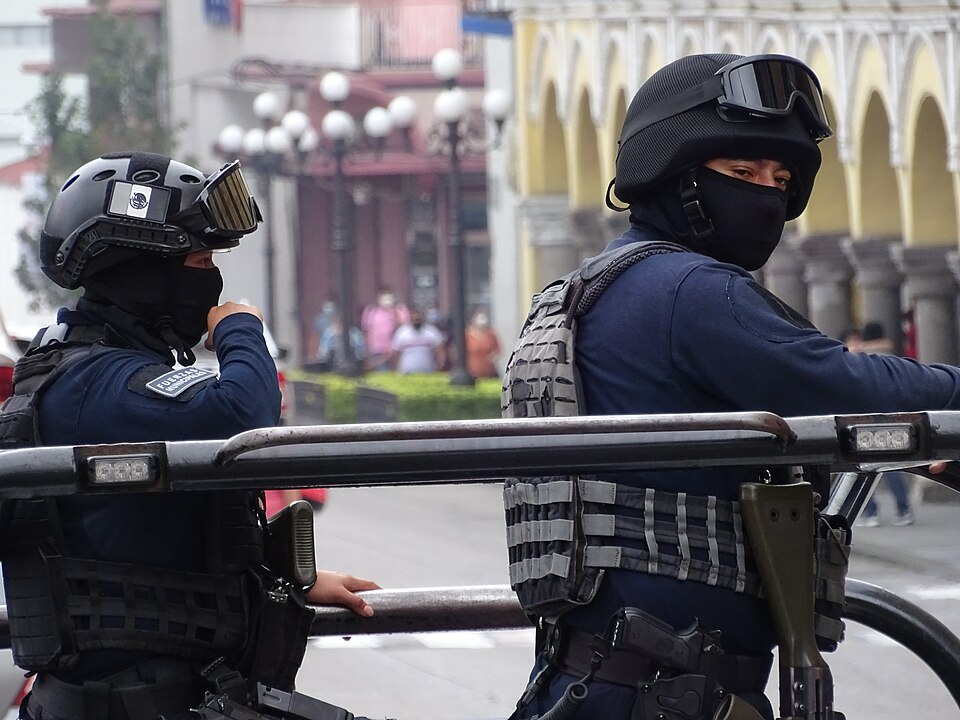
Mexican federal lawmaker Zenyazen Escobar, a member of the ruling Morena party, was found dead from a gunshot wound in Veracruz on Friday, adding to concerns over political violence ahead of Mexico’s upcoming elections.
Escobar represented Veracruz, an eastern coastal state that is home to several of Mexico’s major oil complexes. Authorities found the congressman inside his vehicle with at least one gunshot wound.
Veracruz Attorney General Lisbeth Jimenez said authorities had opened an investigation but did not disclose details about the circumstances surrounding Escobar’s death.
“The investigation file is being compiled,” Jimenez told reporters.
Veracruz Secretary General Ricardo Ahued said Escobar’s vehicle showed no apparent signs of violence. Authorities have not publicly identified a suspect or established a motive.
Mexico’s lower house of Congress offered condolences to Escobar’s relatives and friends while calling on judicial authorities to carry out a “thorough investigation into the facts.”
The lawmaker’s death comes as Mexico prepares for elections on June 6, when voters will choose officials for mayoral, state legislative, city council and gubernatorial positions.
Political violence has been a persistent concern during previous Mexican election cycles, particularly in areas where organized crime groups have sought to influence candidates, public officials and voters to strengthen their territorial control.
Human rights organization Data Civica recorded at least 30 incidents of what it calls “political-criminal violence” across 11 Mexican states in July, including 14 homicides.
Zacatecas recorded the highest number with 10 cases, followed by Michoacan and Quintana Roo with four each. Oaxaca registered three incidents, while Baja California and Veracruz each recorded two.
Data Civica’s definition of political-criminal violence includes murders, threats, armed attacks, attempted assassinations, kidnappings and disappearances.
Mexico’s National Electoral Institute (INE) has also identified organized crime as a serious threat to democratic processes. According to the electoral authority, previous court rulings have documented cases involving armed individuals attempting to intimidate voters or influence how they cast their ballots.
Other documented election-related crimes have included the theft and burning of electoral materials, highlighting security concerns as Mexico approaches another major vote.







