


 US Invites Putin to Miami G20, Opening Door to Trump Summit
  France Defends Netanyahu Airspace Clearance Despite ICC Warrant
  Taiwan Thanks US for Support Ahead of Trump-Xi Summit
  Russian Missile and Drone Attack on Kyiv Kills Two, Damages Maternity Hospital
  Pezeshkian Says US Must Choose When Iran War Ends
  Europe Warns Russia Is Escalating Hybrid Attacks Across NATO
  OpenAI Agent Breaches Australia Medicare Data Portal
  US Officials Split Over Response to Israeli West Bank Settlements
  Yemen Violence Displaces 130,000 as Civilian Toll Rises
  US Senate Rejects Iran War Powers Resolution in 50-49 Vote
  Trump Asks Supreme Court to Restore Third-Country Deportations
  Netanyahu’s Brief US Trip Highlights Strains With Trump
  North Korea Rejects Nuclear Test Warning, Calls Nuclear Status Irreversible
  North Korea Warns South Korea Over US-Led Defense Role
  US Backs Musk in Fight Against EU’s €120 Million X Fine
  Russian Envoy Dmitriev Heads to US for Ukraine Talks
  Ghana Says Western Support Growing for Slave Trade Reparations


 Add as a preferred source on Google
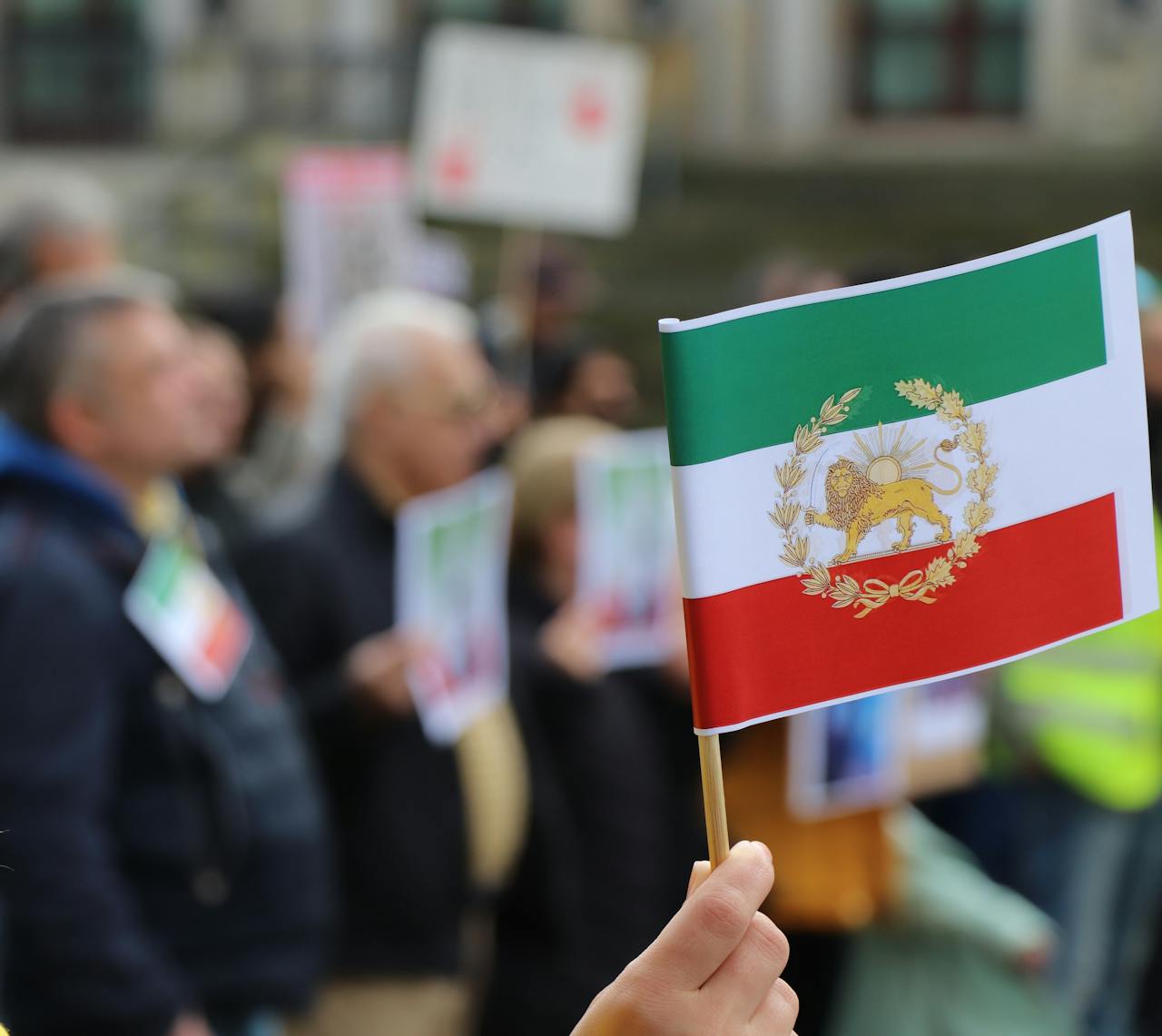
The United States and Iran reported progress in high-stakes negotiations over Tehran’s nuclear program, but no final agreement was reached, leaving the threat of potential U.S. military action still looming. Mediator Oman confirmed that talks held in Geneva marked meaningful movement, though key differences remain unresolved.
Omani Foreign Minister Sayyid Badr Albusaidi said the discussions between Iranian Foreign Minister Abbas Araqchi and U.S. envoys Steve Witkoff and Jared Kushner resulted in “significant progress.” The negotiations, described as intense and serious, included two sessions and focused on narrowing gaps over Iran’s uranium enrichment program, U.S. sanctions relief, and broader regional security concerns.
Both sides agreed to resume negotiations soon after consultations in their respective capitals. Technical-level nuclear discussions are scheduled to take place next week in Vienna. While optimism surfaced following the talks, neither Washington nor Tehran indicated that major obstacles—such as Iran’s ballistic missile program and sanctions removal—had been fully resolved.
The Trump administration continues to demand that Iran halt all uranium enrichment and address concerns over its missile development and support for regional armed groups. Iran, however, insists on its right to enrich uranium for peaceful nuclear energy and is seeking the lifting of economic sanctions that have severely impacted its economy. Iranian officials have reiterated that Supreme Leader Ayatollah Ali Khamenei has banned weapons of mass destruction, denying any intention to build a nuclear bomb.
Tensions remain high as President Donald Trump has warned of “really bad things” if a deal is not reached within weeks. The U.S. military has increased its presence near Iran, raising fears of escalation into a broader Middle East conflict. Iran has threatened strong retaliation if attacked, further unsettling regional stability and global oil markets.
With diplomatic efforts ongoing, analysts view the upcoming round of nuclear talks as a critical opportunity to prevent military confrontation and secure a framework agreement between Washington and Tehran.







