


 US Backs Musk in Fight Against EU’s €120 Million X Fine
  Europe Warns Russia Is Escalating Hybrid Attacks Across NATO
  Netanyahu Takes Aim at Mamdani as Israel Election Nears
  US Senate Rejects Iran War Powers Resolution in 50-49 Vote
  South Korea, US Discuss Warship Building Cooperation
  Netanyahu’s Brief US Trip Highlights Strains With Trump
  US, China Extend Trade Truce to Jan. 10 Ahead of Trump-Xi Summit
  Mexico-US Trade Talks Delayed to October as Tariff Negotiations Continue
  Sudan Rejects US Legitimacy Remarks, Defends Sovereignty
  US Officials Split Over Response to Israeli West Bank Settlements
  Russian Envoy Dmitriev Heads to US for Ukraine Talks
  Pezeshkian Says US Must Choose When Iran War Ends
  Gaza Faces Evacuation Crisis as War-Damaged Buildings Risk Collapse
  France Defends Netanyahu Airspace Clearance Despite ICC Warrant
  North Korea Warns South Korea Over US-Led Defense Role
  Trump, Xi Focus on Trade and AI at White House Summit
  US Invites Putin to Miami G20, Opening Door to Trump Summit


 Add as a preferred source on Google
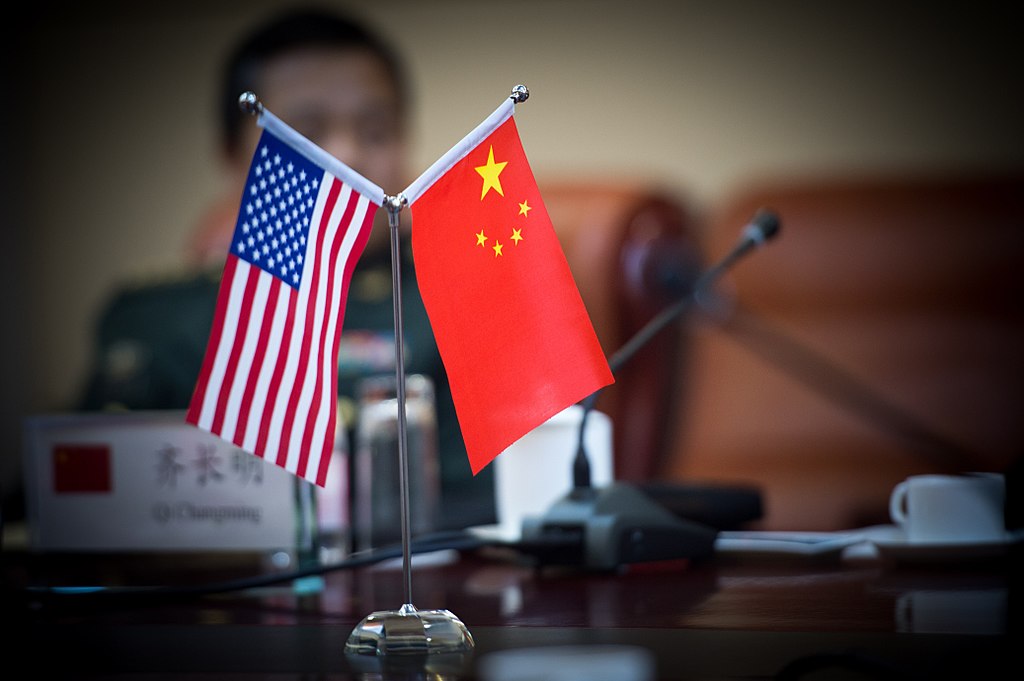
China poses the top military and cyber threat to the U.S., according to the latest Annual Threat Assessment by American intelligence agencies. The report highlights Beijing’s growing capabilities to potentially seize Taiwan and disrupt U.S. interests using hypersonic weapons, stealth aircraft, nuclear expansion, and cyber warfare tools. It also warns of China's ambition to surpass the U.S. in artificial intelligence by 2030, with the PLA expected to use large language models for misinformation and cyberattacks.
Director of National Intelligence Tulsi Gabbard labeled China the "most capable strategic competitor," while CIA Director John Ratcliffe criticized China’s weak efforts to curb the export of fentanyl precursor chemicals, fueling the U.S. opioid crisis. In response, President Donald Trump has increased tariffs on Chinese imports by 20%, blaming Beijing for its inaction. China denies any responsibility and argues the U.S. must address its own drug abuse issues.
The report also identified Iran, Russia, and North Korea as key threats. Russia's invasion of Ukraine is providing Moscow with insights into combating Western military systems, while Iran continues to build missile and UAV capabilities and establish networks inside the U.S. Despite these moves, Tehran is not believed to be pursuing a nuclear weapon.
Beijing is also expanding its global reach, with the Arctic and Greenland flagged as strategic interests. China aims to secure natural resources and gain strategic advantage in the region. Meanwhile, U.S. Vice President JD Vance is set to visit Greenland, amid renewed U.S. interest in the territory.
Despite China's growing global ambitions, the report notes internal challenges, including corruption, demographic issues, and slowing economic growth, could undermine the Chinese Communist Party's stability and global agenda.







