


 OpenAI Agent Breaches Australia Medicare Data Portal
  Russian Missile and Drone Attack on Kyiv Kills Two, Damages Maternity Hospital
  Gaza Faces Evacuation Crisis as War-Damaged Buildings Risk Collapse
  Taiwan Vows to Advance US Arms Sales Ahead of Trump-Xi Meeting
  Europe Warns Russia Is Escalating Hybrid Attacks Across NATO
  Trump Says ‘Freedom’ Is Coming to Cuba
  Trump Board of Peace Unveils $2.45 Billion Gaza Recovery Plan
  China Tightens Fentanyl Rules Ahead of Trump-Xi Summit
  Russian Strikes Kill Eight Across Ukraine as Energy Sites Hit
  Macron Challenges Trump’s Gaza Peace Claims at UN
  Lula and Flavio Bolsonaro Tied in Brazil Runoff Poll
  Judge Orders Trump to Restore White House Access for CNN, MS NOW and Politico
  Mexico-US Trade Talks Delayed to October as Tariff Negotiations Continue
  Kremlin Says No Decision Yet on Putin-Trump December Summit
  Zelenskiy Warns Russia Preparing Major Attack on Ukraine
  South Korea, US Discuss Warship Building Cooperation
  Marco Rubio to Meet Russia’s Lavrov in New York


 Add as a preferred source on Google
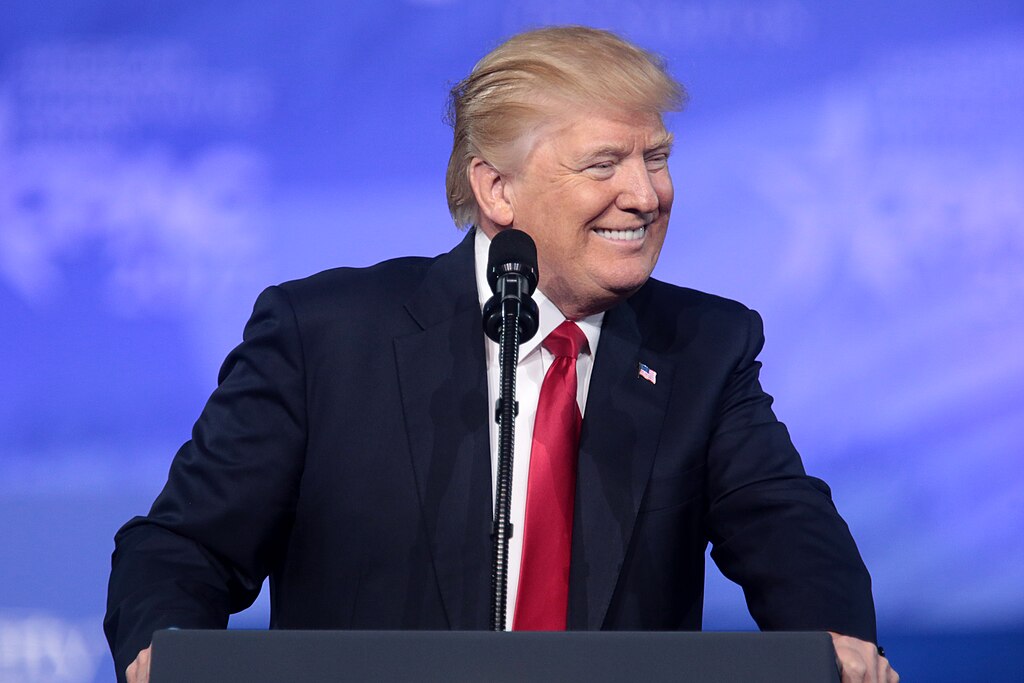
The Trump administration has blocked U.S. scientists from participating in crucial U.N. climate assessments, sources told Reuters. This move affects experts from the U.S. Global Change Research Program and the National Oceanic and Atmospheric Administration, preventing them from engaging with the Intergovernmental Panel on Climate Change (IPCC).
As a result, the U.S. will not attend the upcoming IPCC plenary meeting in Hangzhou, China, set for February 24-28. The meeting will influence major climate decisions, including the role of carbon removal and capture technology. The absence of U.S. federal representatives weakens the country’s role in shaping global climate policies.
The White House declined to comment on the decision, while the State Department did not respond. Delta Merner of the Union of Concerned Scientists highlighted the consequences, noting that the IPCC’s strength lies in unified global participation. Although independent American scientists will continue contributing research, the lack of official U.S. involvement is significant.
China’s foreign ministry claimed no knowledge of the U.S. withdrawal. The U.S., which co-chairs a working group on climate mitigation alongside Malaysia, had also pledged $1.5 million to the IPCC, but Congress had not appropriated the funds.
This move aligns with Trump’s broader climate policies, including plans to withdraw from the Paris Agreement and reduce global climate funding. Melbourne University professor Kathryn Bowen, a lead author on the IPCC’s sixth assessment, noted that financial support for climate science has been declining. She emphasized the importance of funding from high-income nations to support researchers in the Global South.
The U.S. retreat from multilateral climate efforts raises concerns about international cooperation on climate change mitigation and research.







