


 Oil Prices Ease as Iran Tensions Clash With Diplomacy Hopes
  US Dollar Hits Two-Month High as Fed Rate Hike Bets Rise
  Oil Prices Jump 3% as Houthi Attack Revives Supply Fears
  U.S. Treasury Yields Surge as 30-Year Hits 22-Year High
  Russian Envoy Dmitriev Heads to US for Ukraine Talks
  Japan Private-Sector Growth Slows as Domestic Demand Weakens
  South Korea, US Discuss Warship Building Cooperation
  Soybean Futures Slip as Traders Await Trump-Xi Trade Signals
  U.S. Dollar Hits Two-Month High as Oil, Treasury Yields Surge
  Gold Prices Fall as Treasury Yields Rise on Fed Rate Hike Bets
  European Stocks Fall as Bond Yields and Geopolitical Risks Weigh
  Gold Drops Over 1% as Dollar, Treasury Yields Surge on Fed Rate Hike Bets
  Australia Unemployment Hits Five-Year High Despite Strong Jobs Growth
  Asian Currencies Mixed as Dollar Holds Near Two-Month High
  RBI Uses $10 Billion Currency Swaps to Drain Excess Rupee Liquidity
  U.S. 10-Year Treasury Yield Hits 2007 High as Fed Rate Hike Bets Rise
  Asian Stocks Fall as Bond Yields Surge Ahead of Trump-Xi Summit


 Add as a preferred source on Google
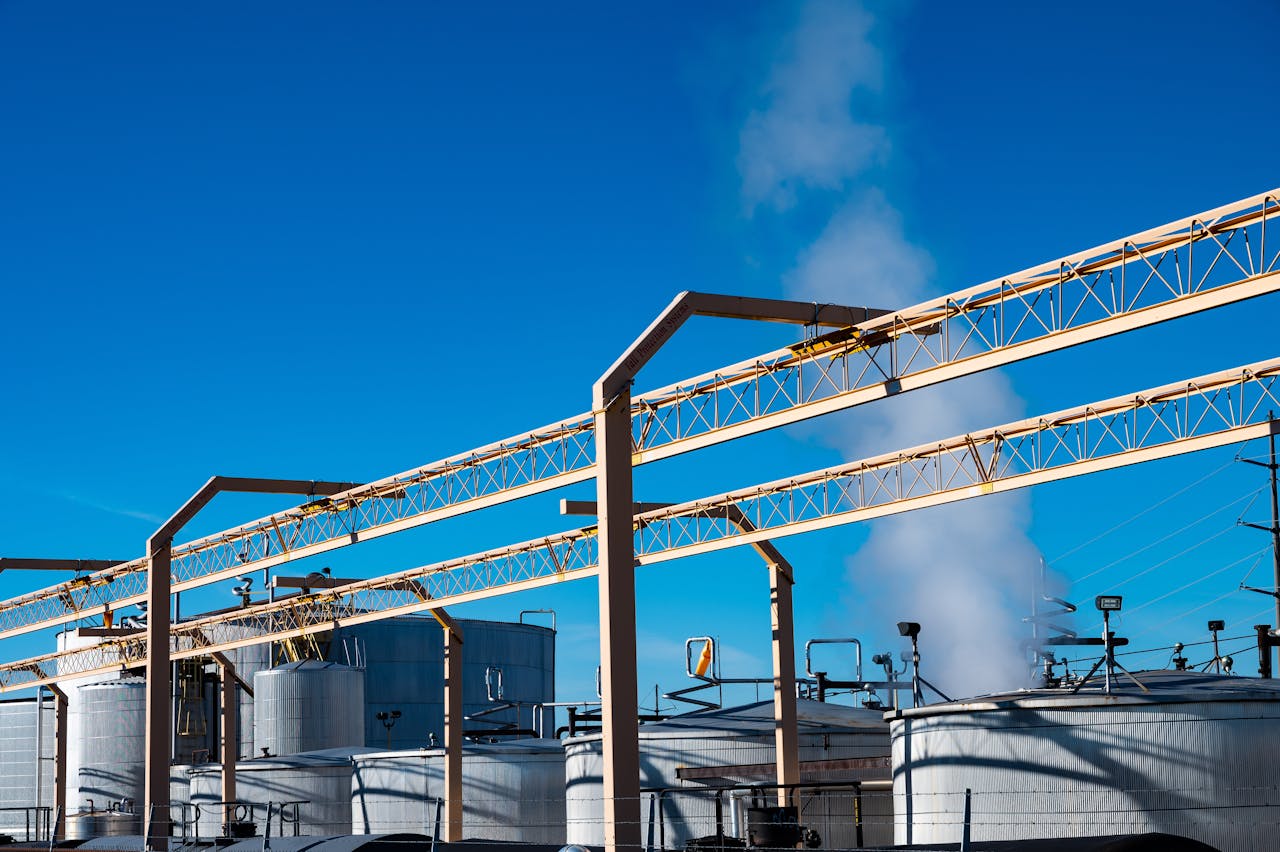
U.S. average retail gasoline prices have dropped below $4 per gallon for the first time since mid-April, driven by growing optimism that a preliminary agreement between the United States and Iran could help restore normal oil shipments through the Strait of Hormuz. The strategic waterway is responsible for nearly 20% of global oil transportation, making its status critical to energy markets worldwide.
Crude oil prices fell sharply on Monday, with West Texas Intermediate (WTI) crude declining by more than $4 per barrel after President Donald Trump announced that the U.S. and Iran had signed a memorandum of understanding aimed at ending a conflict that has lasted nearly four months. While the agreement has boosted market confidence, analysts caution that its long-term success remains uncertain.
Lower gasoline prices could provide welcome relief for consumers and support the Trump administration’s efforts to reduce energy costs. Rising fuel prices have been a major concern for households and a political challenge for Republican lawmakers ahead of November’s midterm elections.
According to GasBuddy, the national average gasoline price fell to $3.997 per gallon on Sunday, briefly breaking the important $4 threshold. However, prices remain nearly 91 cents higher than they were a year ago. The American Automobile Association (AAA) reported a national average of $4.065 per gallon on Monday.
Industry experts say the future direction of fuel prices will largely depend on whether the Strait of Hormuz fully reopens and oil flows return to normal. Although Trump indicated that the waterway would be reopened following a formal signing ceremony later this week, specialists warn that clearing mines, restoring shipping insurance coverage, and resuming regular maritime traffic could take several weeks.
Despite the recent decline in oil and gasoline prices, concerns remain. U.S. gasoline inventories have fallen to their lowest seasonal level in a decade, while strong domestic demand and robust fuel exports continue to pressure supplies. Analysts warn that if geopolitical tensions re-emerge or efforts to normalize shipping fail, gasoline prices could rise again, limiting the duration of the current relief for consumers.







