


 US Stock Futures Fall as Treasury Yields Surge Ahead of Trump-Xi Summit
  Wall Street Falls as Treasury Yields Surge, Oil Rebounds on Iran Tensions
  US 10-Year Treasury Yield at 6% Emerges as New Market Risk Threshold
  China’s ‘Lipstick King’ Says AI Won’t Replace Livestream Hosts
  Mexico-US Trade Talks Delayed to October as Tariff Negotiations Continue
  Asian Currencies Mixed as Dollar Holds Near Two-Month High
  U.S. Dollar Hits Two-Month High as Oil, Treasury Yields Surge
  Russian Envoy Dmitriev Heads to US for Ukraine Talks
  Australia Unemployment Hits Five-Year High Despite Strong Jobs Growth
  Oil Prices Jump 3% as Houthi Attack Revives Supply Fears
  Dollar Holds Near Two-Month High as Yen Approaches 160
  Oil Prices Ease as Iran Tensions Clash With Diplomacy Hopes
  Japan Private-Sector Growth Slows as Domestic Demand Weakens
  Trump, Xi Focus on Trade and AI at White House Summit
  Gold Holds Near $4,275 as Rising Treasury Yields Fuel Fed Rate Hike Bets
  U.S. 10-Year Treasury Yield Hits 2007 High as Fed Rate Hike Bets Rise
  European Stocks Fall as Bond Yields and Geopolitical Risks Weigh


 Add as a preferred source on Google
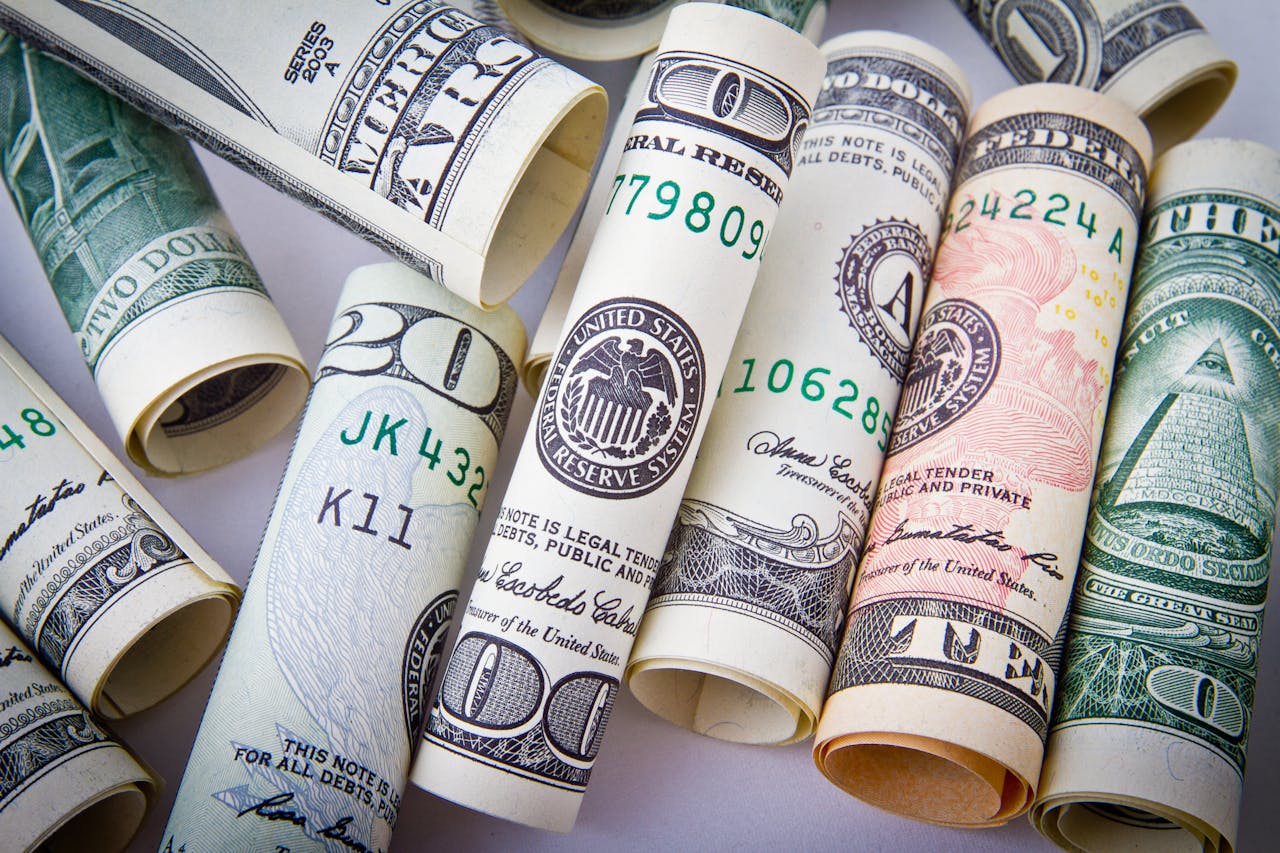
The U.S. dollar is heading toward its biggest weekly decline in a year as investors react to shifting geopolitical signals from President Donald Trump and growing uncertainty across global markets. Sentiment was shaken after Trump claimed the United States secured access to Greenland through a NATO-backed deal, while simultaneously retreating from tariff threats against Europe and ruling out the use of force over the Danish autonomous territory. Although the announcement eased immediate fears of trade conflict or military escalation, it raised broader concerns about strained alliances and long-term confidence in U.S. leadership.
Currency markets reflected this unease, with the dollar bearing the brunt of investor anxiety. The dollar index fell to around 98.3 after a sharp daily drop, putting it on track for a roughly 1% weekly loss, its worst performance since January 2025. Analysts note that uncertainty around U.S. foreign policy and its impact on global cooperation could challenge the dollar’s status as the world’s dominant reserve currency. Meanwhile, the euro held near $1.175, close to recent highs, while the British pound hovered around $1.35, supported by a weaker greenback.
Attention has also turned to Japan, where the yen remains under pressure ahead of the Bank of Japan’s policy decision. The central bank is widely expected to keep interest rates unchanged after raising them to a 30-year high last month. Investors are closely watching Governor Kazuo Ueda’s comments for clues on the timing of future rate hikes and whether policymakers may adopt a more hawkish stance to stabilize the fragile yen. The currency has fallen more than 4% since October, trading near levels that previously triggered intervention warnings from Japanese authorities.
Concerns about Japan’s fiscal outlook have added to market volatility, with government bond yields surging after Prime Minister Sanae Takaichi called a snap election and pledged tax cuts. Elsewhere, the Australian and New Zealand dollars were largely steady, while Bitcoin edged higher toward $89,500, recovering slightly from recent lows. Overall, global markets remain sensitive to geopolitical developments, central bank signals, and fiscal risks as investors reassess currency and asset valuations.







