


 US Dollar Hits Two-Month High as Fed Rate Hike Bets Rise
  Wall Street Ends Flat as Oil, Treasury Yields and Fed Jitters Rattle Markets
  U.S. Dollar Hits Two-Month High as Oil, Treasury Yields Surge
  Oil Prices Ease as Iran Tensions Clash With Diplomacy Hopes
  Soybean Futures Slip as Traders Await Trump-Xi Trade Signals
  Gold Prices Fall as Treasury Yields Rise on Fed Rate Hike Bets
  Gold Drops Over 1% as Dollar, Treasury Yields Surge on Fed Rate Hike Bets
  Oil Prices Jump 3% as Houthi Attack Revives Supply Fears
  US 10-Year Treasury Yield at 6% Emerges as New Market Risk Threshold
  Mexico-US Trade Talks Delayed to October as Tariff Negotiations Continue
  European Stocks Slip as Iran Tensions Offset Strong Eurozone Data
  Wall Street Falls as Treasury Yields Surge, Oil Rebounds on Iran Tensions
  Russian Envoy Dmitriev Heads to US for Ukraine Talks
  China’s ‘Lipstick King’ Says AI Won’t Replace Livestream Hosts
  US Stock Futures Fall as Treasury Yields Surge Ahead of Trump-Xi Summit


 Add as a preferred source on Google
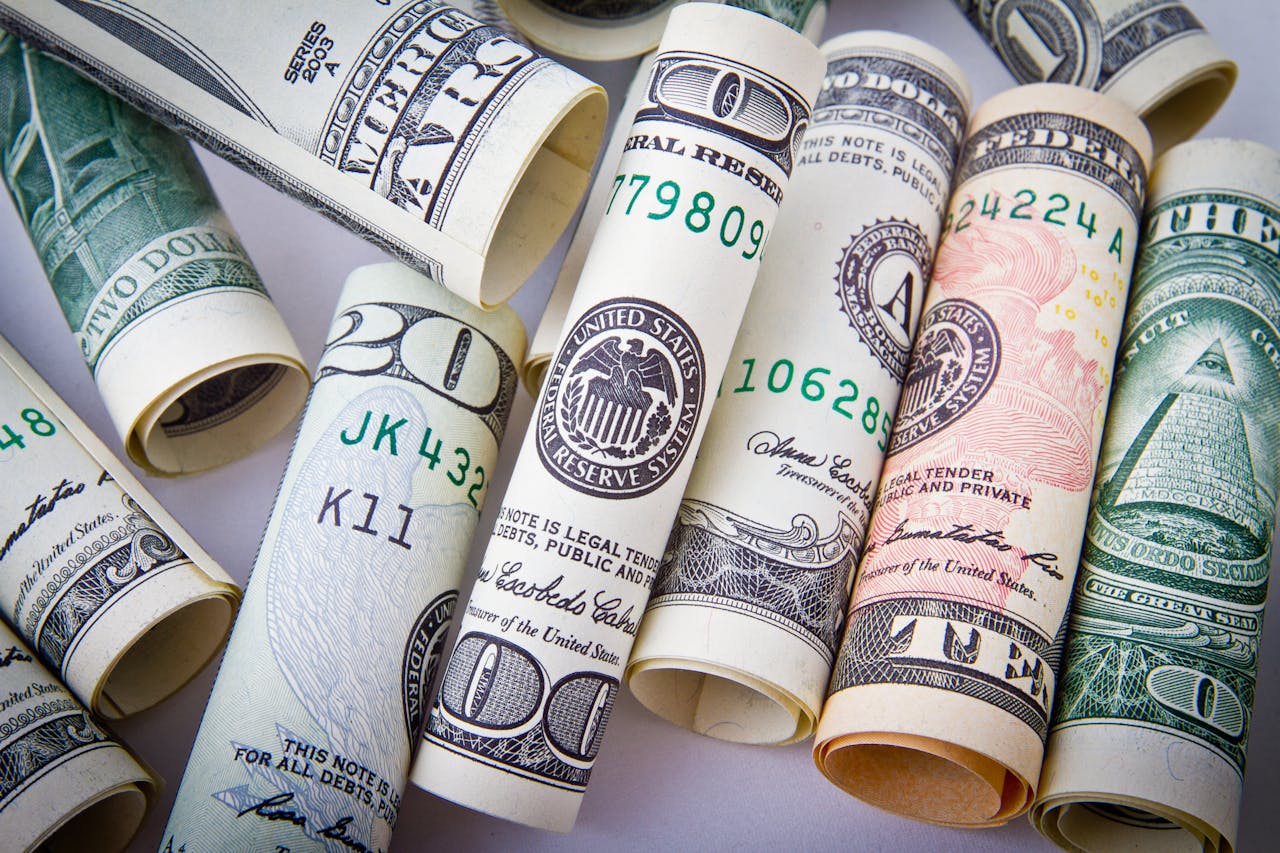
The U.S. dollar edged lower on Wednesday after reaching its strongest level in more than a week, but persistent geopolitical risks and surging oil prices continued to support demand for the greenback. Investors remained focused on the escalating conflict between the United States and Iran, which has fueled concerns over global energy supplies and inflation.
The U.S. Dollar Index slipped slightly to 101.13 after recent economic data suggested inflation had eased, giving the Federal Reserve more flexibility on interest rates. Softer consumer and producer inflation readings, weaker gasoline sales, and improving consumer sentiment had briefly reduced expectations for additional monetary tightening.
However, renewed tensions in the Middle East have revived inflation concerns. The U.S. and Iran have exchanged strikes for eleven consecutive days, disrupting shipping through the Strait of Hormuz while threats to the Bab el-Mandeb Strait have added to fears of supply shortages. Brent crude briefly climbed above $95 per barrel, its highest level since June, boosting demand for safe-haven assets.
President Donald Trump warned that any Iranian attack on vessels in the Strait of Hormuz would prompt U.S. strikes on Iranian bridges or power plants. Tehran responded by warning it would target regional infrastructure linked to American interests if such attacks occurred. Meanwhile, Secretary of State Marco Rubio said the U.S. remains open to diplomacy, although Iran has shown little willingness to negotiate.
In currency markets, the British pound steadied near $1.3373 after UK inflation slowed to 2.6% in June from 2.8% in May, easing concerns despite political uncertainty under newly installed Prime Minister Andy Burnham. Investors also monitored UK government bond yields following Burnham’s comments on fiscal policy.
The Japanese yen recovered modestly from a 40-year low, trading near 163.14 per dollar as markets watched for potential intervention by Japanese authorities. Meanwhile, the euro gained 0.1% to around $1.1410 ahead of the European Central Bank’s policy meeting. While the ECB is expected to keep interest rates unchanged, investors will closely watch President Christine Lagarde’s comments for clues on how higher energy prices could influence future monetary policy.







