


 Dollar Hits Two-Month High as Fed Rate Hike Bets Rise
  Fed Unveils Stablecoin Rules Under GENIUS Act
  Fed Unveils Stablecoin Rules Under GENIUS Act
  Australia Unemployment Hits Five-Year High Despite Strong Jobs Growth
  Gold Prices Fall as Treasury Yields Rise on Fed Rate Hike Bets
  Gold Drops Over 1% as Dollar, Treasury Yields Surge on Fed Rate Hike Bets
  US 10-Year Treasury Yield at 6% Emerges as New Market Risk Threshold
  Wall Street Falls as Treasury Yields Surge, Oil Rebounds on Iran Tensions
  Oil Prices Jump 3% as Houthi Attack Revives Supply Fears
  Mexico-US Trade Talks Delayed to October as Tariff Negotiations Continue
  Wall Street Ends Flat as Oil, Treasury Yields and Fed Jitters Rattle Markets
  U.S. 10-Year Treasury Yield Hits 2007 High as Fed Rate Hike Bets Rise
  China’s ‘Lipstick King’ Says AI Won’t Replace Livestream Hosts
  South Korea, US Discuss Warship Building Cooperation
  Soybean Futures Slip as Traders Await Trump-Xi Trade Signals
  US Dollar Hits Two-Month High as Fed Rate Hike Bets Rise


 Add as a preferred source on Google
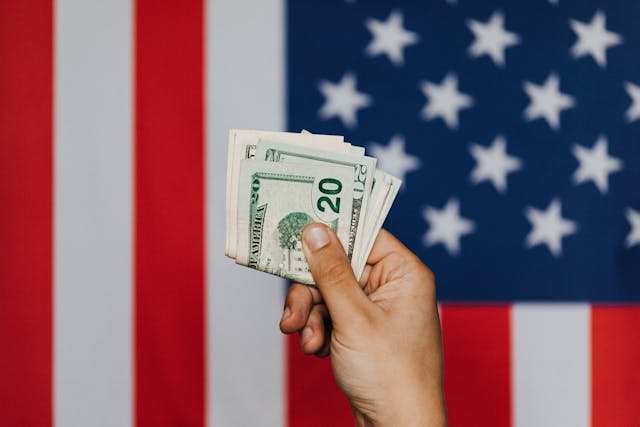
The U.S. dollar climbed to its strongest level in more than a year on Monday as investors increased bets on tighter Federal Reserve policy, outweighing the impact of easing oil prices and diplomatic developments in the Middle East.
The U.S. Dollar Index, which measures the greenback against six major currencies, rose 0.2% to 101.02, reaching its highest level since May 2025. The rally was fueled by growing expectations that the Federal Reserve could keep interest rates higher for longer in response to persistent inflation concerns.
Markets were caught off guard last week after the Federal Reserve released a more hawkish-than-expected Summary of Economic Projections. The updated outlook showed that many policymakers now anticipate potential interest rate hikes rather than the previously expected rate cuts. Bank of America further reinforced this sentiment by forecasting that the Fed may not begin cutting rates until 2028.
Federal Reserve Chair Kevin Warsh also boosted expectations for tighter monetary policy after outlining significant changes to the central bank’s operations and reaffirming its commitment to controlling inflation. As a result, U.S. Treasury yields moved higher, with the two-year Treasury yield rising to 4.232% and the benchmark 10-year yield reaching 4.512%.
According to analysts, the flatter yield curve suggests investors believe aggressive rate increases could eventually slow economic growth, even as inflation remains a concern.
Meanwhile, oil prices continued their decline after reports of progress in U.S.-Iran peace negotiations. Discussions held in Switzerland focused on maintaining open access to the Strait of Hormuz, a critical global energy shipping route. Although tensions remain after recent clashes involving Israel and Iran-backed groups, investors welcomed signs of diplomatic engagement.
In the United Kingdom, the British pound remained in focus following Prime Minister Keir Starmer’s announcement that he would resign. Sterling recovered from earlier losses and edged 0.1% higher to $1.3249. Markets largely shrugged off the political shock, with investors viewing potential successor Andy Burnham as likely to maintain fiscal stability.
Despite ongoing geopolitical uncertainty and political changes in the UK, expectations of higher U.S. interest rates continued to dominate currency markets, helping the dollar extend its gains against major global currencies.







