


 Oil Prices Jump 3% as Houthi Attack Revives Supply Fears
  U.S. Dollar Hits Two-Month High as Oil, Treasury Yields Surge
  South Korea, US Discuss Warship Building Cooperation
  Australia Unemployment Hits Five-Year High Despite Strong Jobs Growth
  European Stocks Slip as Iran Tensions Offset Strong Eurozone Data
  US, China Extend Trade Truce to Jan. 10 Ahead of Trump-Xi Summit
  China’s ‘Lipstick King’ Says AI Won’t Replace Livestream Hosts
  Asian Stocks Fall as Bond Yields Surge Ahead of Trump-Xi Summit
  RBI Uses $10 Billion Currency Swaps to Drain Excess Rupee Liquidity
  US 10-Year Treasury Yield at 6% Emerges as New Market Risk Threshold
  Gold Prices Fall as Treasury Yields Rise on Fed Rate Hike Bets
  Gold Drops Over 1% as Dollar, Treasury Yields Surge on Fed Rate Hike Bets
  U.S. 10-Year Treasury Yield Hits 2007 High as Fed Rate Hike Bets Rise
  Japan Private-Sector Growth Slows as Domestic Demand Weakens
  Fed Unveils Stablecoin Rules Under GENIUS Act
  Wall Street Ends Flat as Oil, Treasury Yields and Fed Jitters Rattle Markets
  Asian Currencies Mixed as Dollar Holds Near Two-Month High


 Add as a preferred source on Google
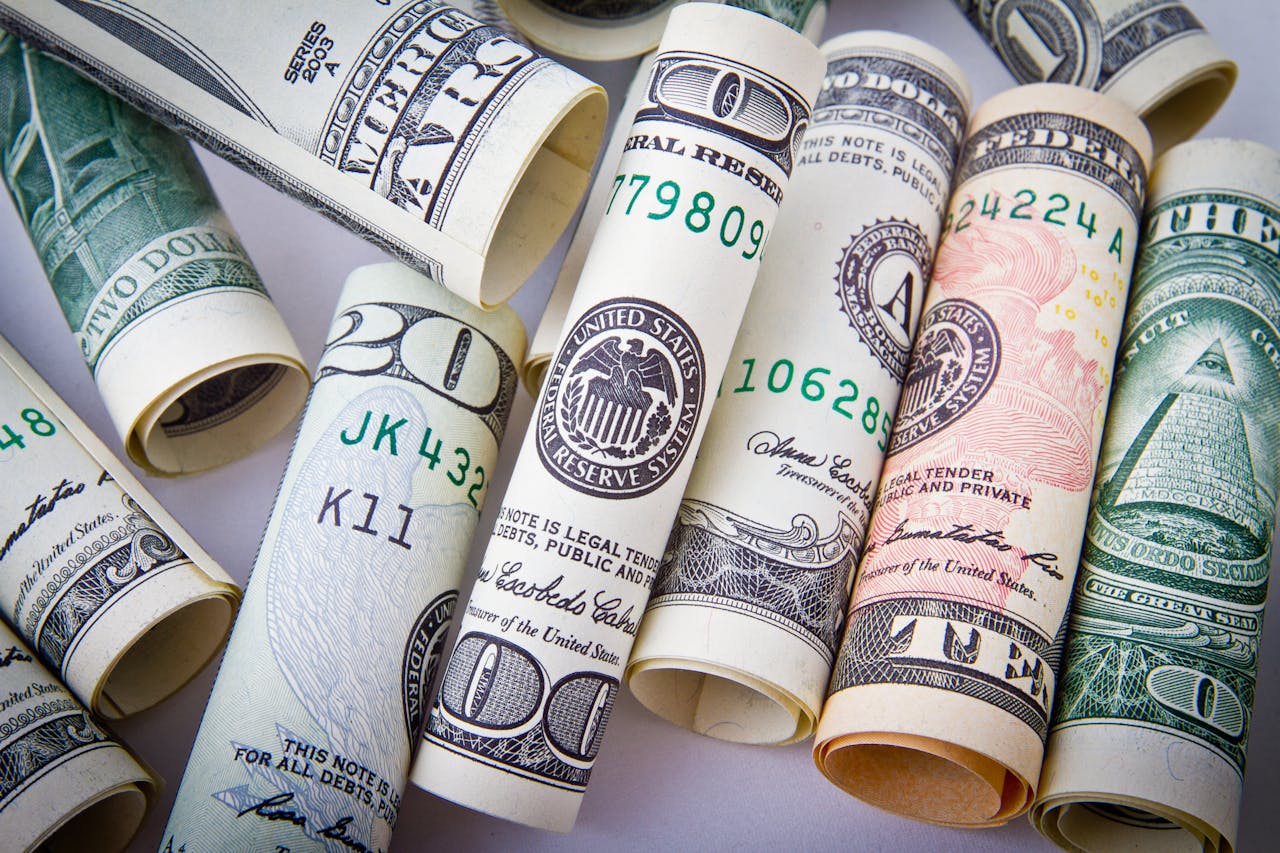
The U.S. dollar weakened on Friday and remained on track for a weekly decline as growing optimism surrounding a potential peace agreement between the United States and Iran improved global market sentiment and reduced demand for traditional safe-haven assets.
The U.S. Dollar Index (DXY), which measures the greenback against a basket of major currencies, slipped 0.1% to 99.78 and was set to post a weekly loss of roughly 0.3%. Investors shifted toward riskier assets after U.S. President Donald Trump indicated that a peace deal with Iran could be finalized as early as this weekend.
According to Trump, the proposed agreement would reopen the Strait of Hormuz, a critical route for global oil and gas shipments, and help restore stability to energy markets. While conflicting statements from U.S. and Iranian officials created some uncertainty, comments from Iran’s Foreign Minister Seyed Abbas Araghchi and Pakistani Prime Minister Shehbaz Sharif suggested negotiations are nearing completion.
The prospect of a breakthrough in Middle East tensions pushed oil prices lower, with Brent crude falling to its lowest level in more than two months. The decline in energy prices helped investors overlook recent U.S. inflation data that showed headline Consumer Price Index (CPI) and Producer Price Index (PPI) readings rising to their highest levels in several years due to earlier oil price spikes.
Despite softer core inflation figures, elevated headline inflation and a resilient labor market continue to support expectations that the Federal Reserve may keep interest rates higher for longer. Markets are closely watching next week’s Federal Reserve meeting, the first under new Chair Kevin Warsh, alongside policy decisions from the Bank of Japan and Bank of England. The European Central Bank recently raised rates, citing inflationary pressures linked to higher energy costs.
Analysts believe further declines in crude oil prices could weigh on the U.S. dollar while supporting currencies of major oil-importing economies. Lower energy costs typically improve consumer spending, economic growth, and investment returns in those countries.
Meanwhile, the British pound edged lower to $1.3402 after data showed the UK economy contracted by 0.1% in April, marking its first monthly decline since August. Economists attributed part of the slowdown to rising energy costs affecting households and businesses.
Investors are also monitoring the upcoming Makerfield by-election, which could have political implications for Prime Minister Keir Starmer’s government. The Bank of England is widely expected to leave interest rates unchanged next week as policymakers balance persistent inflation pressures against signs of slowing economic growth.
With central bank decisions, inflation concerns, oil price movements, and developments in the Iran peace negotiations all converging, currency markets are expected to remain highly volatile in the coming days.







