


 SpaceX Eyes Starlink Mobile Phone Service to Challenge Verizon, AT&T, and T-Mobile
  World Bank Approves $1.1 Billion Emergency Funding for Bangladesh Amid Food and Energy Price Pressures
  US Dollar Slips After PCE Inflation Data as Fed Rate Hike Expectations Stay Elevated
  China Factory PMI Seen Returning to Growth in June as AI Export Demand Supports Economy
  Japan Targets 1%+ Real Economic Growth With ¥370 Trillion Investment Plan
  S&P Affirms Brazil’s BB Credit Rating with Stable Outlook Amid Fiscal Challenges
  Gold Price Ends Lower for Fourth Week Despite Rebound as Fed Rate Hike Bets Strengthen
  Gold Prices Fall Below $4,000 as Strong Dollar, Fed Rate Hike Bets Weigh on Bullion
  Trump Urges Gasoline Retailers to Cut Prices to $2.50 Per Gallon, Warns of Legal Action
  Trump Questions Housing Bill as He Prioritizes SAVE America Act
  Asian Stocks Sink as Apple Price Hikes Spark AI Valuation Fears, South Korea and Japan Lead Selloff
  Iran Attack in Strait of Hormuz Pushes Oil Prices Higher
  China Expands Export Controls, Adds 20 Japanese Companies to Restricted List
  Asian Stocks Slip as US-Iran Ceasefire Hopes Lift Oil, Dollar Strength Persists
  Economic pessimism has set in – but there are reasons for Australians to be hopeful
  Global Financial Firms Shift Asia Expansion Focus to South Korea as China, India Face Caution
  Asian Currencies Stay Range-Bound as Investors Eye China Data, RBNZ Outlook and U.S.-Iran Ceasefire


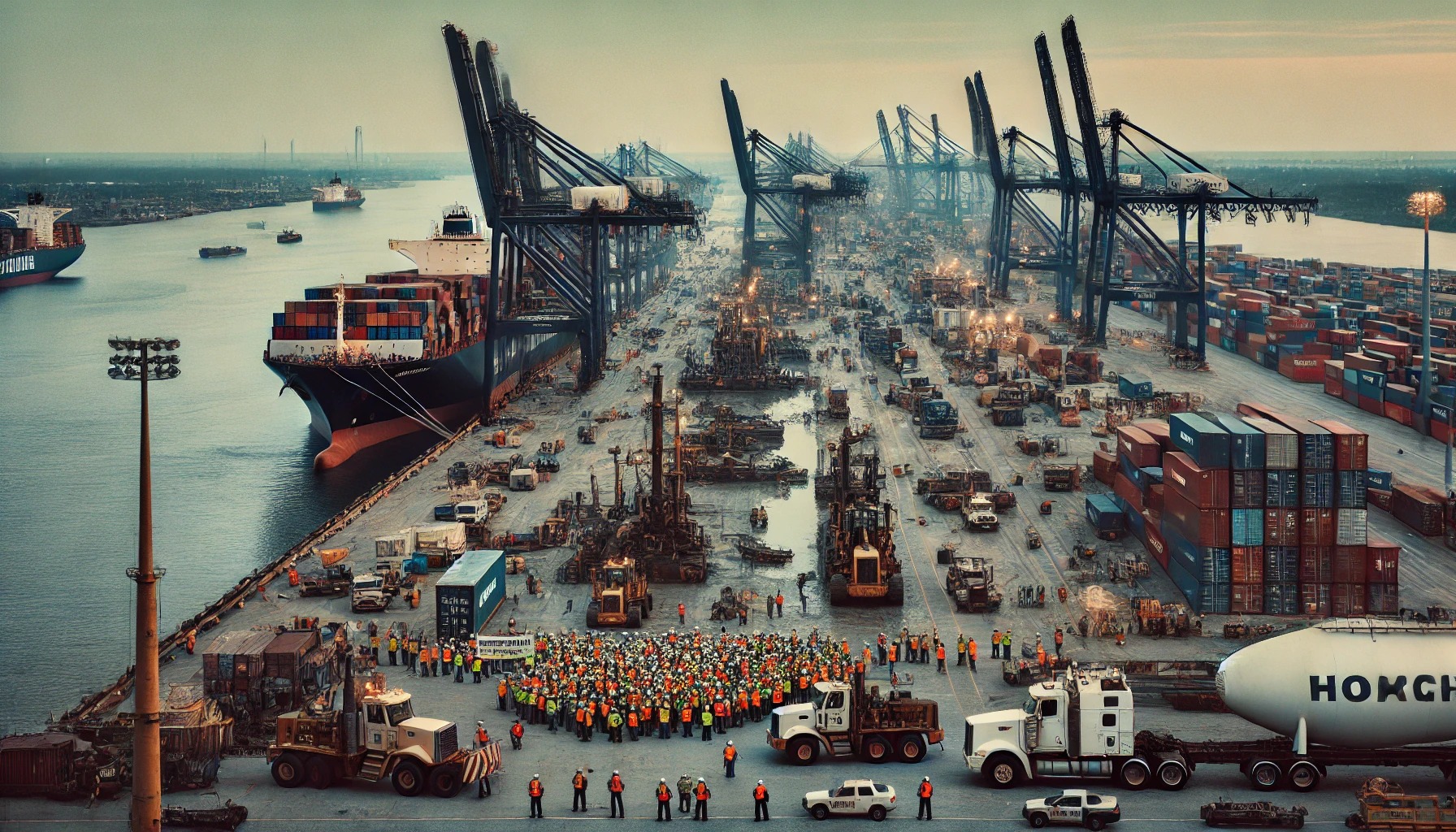
Dockworkers along the U.S. East Coast and Gulf Coast initiated their first large-scale strike in nearly five decades on Tuesday, halting operations across 36 ports and disrupting approximately half of the nation's ocean shipping. The strike comes after contract negotiations between the International Longshoremen’s Association (ILA) and the United States Maritime Alliance (USMX) employer group collapsed over wage disputes.
The strike, which started at 12:01 a.m. ET (0401 GMT), is impacting ports from Maine to Texas and halting shipments of goods ranging from food to automobiles. Analysts warn that the work stoppage could cost the economy billions of dollars daily and threaten jobs, while potentially fueling inflation.
President Joe Biden's administration has urged employers to improve their contract offer but has indicated it will not use federal authority to end the strike. “Shippers have made record profits since the pandemic,” said White House press secretary Karine Jean-Pierre, emphasizing the need for fair wages for port workers. Acting Secretary of Labor Julie Su also criticized employers for failing to present a suitable offer reflecting workers’ contributions.
The ILA, representing 45,000 port workers, rejected USMX's final contract proposal, stating that the offer "fell far short" of union demands. ILA President Harold Daggett noted that key employers, including Maersk and APM Terminals North America, have not agreed to adequate pay raises or protections against job-threatening automation projects. “We are prepared to fight as long as necessary,” Daggett said.
USMX responded with a statement asserting that its nearly 50% wage increase proposal exceeds other recent union settlements and addresses inflation concerns. However, Daggett maintains that the ILA seeks more, including a $5 hourly raise each year over a six-year contract.
The strike’s ripple effects are already apparent, with container ships lining up at U.S. ports and some businesses rushing to implement contingency plans. Retailers like Walmart and Costco have expedited shipments to avoid disruptions, while others, like Danish drugmaker Novo Nordisk, are considering air freight to minimize production delays.
If prolonged, the strike could lead to increased costs for U.S. consumers, as import prices rise.







