


 US Senate Rejects Iran War Powers Resolution in 50-49 Vote
  France Defends Netanyahu Airspace Clearance Despite ICC Warrant
  Trump, Xi Focus on Trade and AI at White House Summit
  What ‘Taiwan Independence’ Means as Xi Presses Trump on US Policy
  North Korea Rejects Nuclear Test Warning, Calls Nuclear Status Irreversible
  Netanyahu’s Brief US Trip Highlights Strains With Trump
  Trump Asks Supreme Court to Restore Third-Country Deportations
  North Korea Warns South Korea Over US-Led Defense Role
  Ghana Says Western Support Growing for Slave Trade Reparations
  Pezeshkian Says US Must Choose When Iran War Ends
  Yemen Violence Displaces 130,000 as Civilian Toll Rises
  Netanyahu Defends Israel at UN as Delegates Stage Walkout
  EU Defence Build-Up Too Slow for 2030 Russia Readiness Goal
  Trump, Xi Visit US National Archives After White House Summit
  Sudan Rejects US Legitimacy Remarks, Defends Sovereignty
  Judge Orders Trump to Restore White House Access for CNN, MS NOW and Politico
  OpenAI Agent Breaches Australia Medicare Data Portal


 Add as a preferred source on Google
The U.S. Coast Guard is waiting for specialized reinforcements before deciding whether to board and seize a Venezuela-linked oil tanker it has been pursuing since Sunday, according to U.S. officials cited by Reuters. The vessel, identified by maritime tracking groups as the Bella 1, has repeatedly refused Coast Guard requests to allow boarding, escalating the standoff and drawing attention to the operational limits of the agency.
Because the tanker has denied consent, any boarding would likely need to be conducted by one of only two Maritime Security Response Teams, elite Coast Guard units trained to forcibly board vessels, including by rappelling from helicopters. These highly specialized teams are in limited supply, and officials indicated that the nearest unit was too far away to act immediately.
The pursuit underscores the challenges facing the Coast Guard as it enforces U.S. sanctions against Venezuela’s oil trade. Earlier this month, President Donald Trump ordered what his administration described as a “blockade” of sanctioned oil tankers entering or leaving Venezuela, part of a broader effort to increase pressure on President Nicolás Maduro. While the U.S. Navy has significant assets in the Caribbean, it cannot conduct law enforcement actions such as seizures, leaving the Coast Guard as the primary agency responsible for these operations.
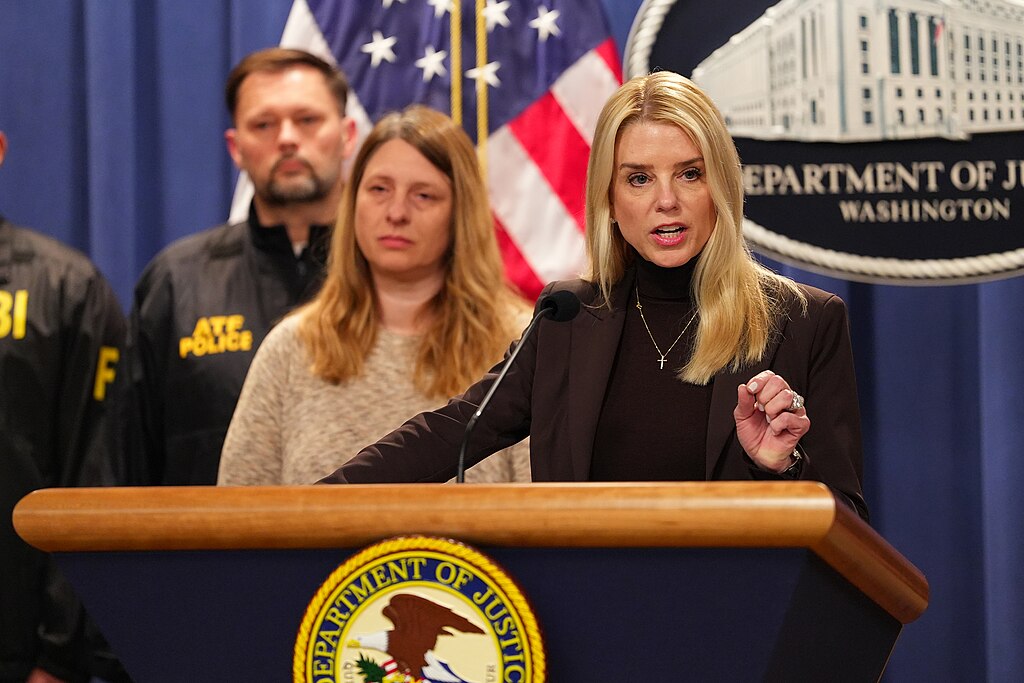
In recent weeks, the Coast Guard has seized two other oil tankers near Venezuela. One of those operations was publicized by U.S. Attorney General Pam Bondi, who shared video footage of armed teams boarding a vessel from helicopters. Another seizure involved the tanker Centuries, with Coast Guard personnel deployed from the USS Gerald Ford aircraft carrier.
Despite these successes, officials and experts say the Coast Guard remains overstretched. The service, which operates under the Department of Homeland Security, has long warned of a readiness crisis caused by limited funding and expanding responsibilities, including drug interdiction and search and rescue. Although the Coast Guard requested $14.6 billion for the 2026 fiscal year and is set to receive additional funding through new legislation, leaders caution that resource gaps remain severe.
As the pursuit of the Bella 1 continues, the administration may still decide not to board the vessel. The White House, however, says the United States remains in active pursuit of what it describes as a sanctioned “dark fleet” tanker involved in Venezuela’s oil sanctions evasion.







