


 Soybean Futures Slip as Traders Await Trump-Xi Trade Signals
  Asian Currencies Mixed as Dollar Holds Near Two-Month High
  Germany’s 2026 Growth Outlook Strengthens on Fiscal Spending
  European Stocks Fall as Bond Yields and Geopolitical Risks Weigh
  Trump, Xi Focus on Trade and AI at White House Summit
  Australia Unemployment Hits Five-Year High Despite Strong Jobs Growth
  Japanese Bank Stocks Surge as Bond Yields Fuel Rate Hike Bets
  Mexico-US Trade Talks Delayed to October as Tariff Negotiations Continue
  Gold Prices Fall as Treasury Yields Rise on Fed Rate Hike Bets
  US Stock Futures Fall as Treasury Yields Surge Ahead of Trump-Xi Summit
  Fed Unveils Stablecoin Rules Under GENIUS Act
  China Agrees to Buy 20 Million Tons of U.S. Coal
  US 10-Year Treasury Yield at 6% Emerges as New Market Risk Threshold
  UK PM Burnham to Unveil Economic Vision at Labour Conference
  Fed Unveils Stablecoin Rules Under GENIUS Act
  Japanese Yen Rebounds as Trump Flags Currency Weakness
  Dollar Holds Near Two-Month High as Yen Approaches 160


 Add as a preferred source on Google
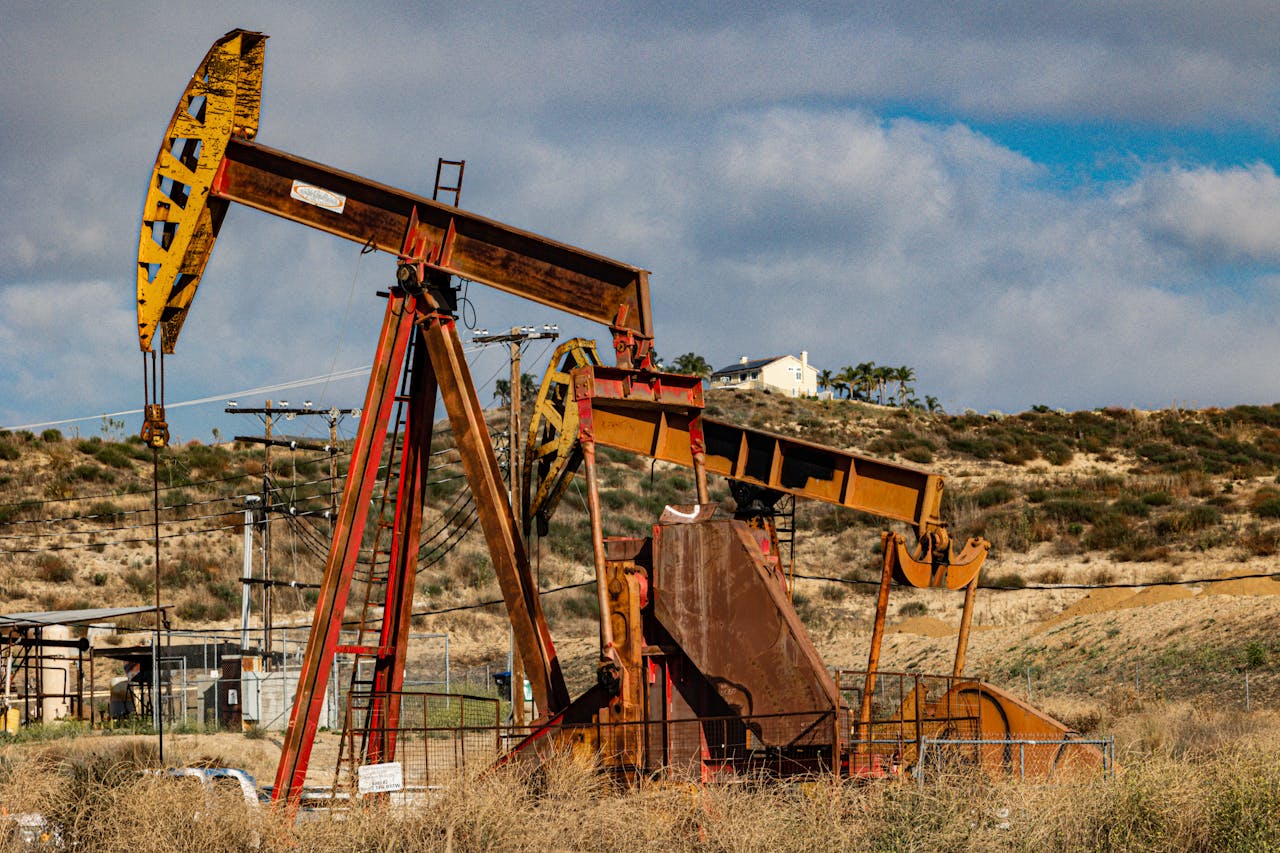
Rising trade tensions between the U.S. and China may push U.S. crude exports lower in 2025 for the first time since the pandemic. Analysts warn that Chinese tariffs could limit U.S. oil access to the world’s largest energy importer, impacting the global market.
Since lifting its oil export ban in 2015, the U.S. has become the world’s third-largest exporter. However, total exports may decline to 3.6 million barrels per day (bpd) in 2025 from 3.8 million bpd in 2024, according to Vortexa analyst Rohit Rathod. China currently consumes about 166,000 bpd of U.S. crude, making up roughly 5% of U.S. exports.
Medium-sour crude grades like Mars and Southern Green Canyon—nearly 48% of China’s U.S. crude imports—are expected to stay in the U.S. Gulf Coast, where refineries require them. Meanwhile, lighter West Texas Intermediate (WTI) crude may find new buyers in Europe and India.
The Louisiana Offshore Oil Port accounted for nearly half of U.S. crude exports to China in 2024, while Enbridge’s Ingleside terminal handled 25%. However, Enbridge executives expect minimal impact since China historically took less than 15% of its volumes. Occidental Petroleum, one of the largest U.S. crude suppliers to China, shipped at least 13 WTI Midland cargoes there last year.
China’s overall reliance on U.S. crude is minimal, with imports accounting for only 1.7% of its total in 2024, down from 2.5% in 2023. The country has ramped up imports from Canada, boosted by the Trans Mountain pipeline expansion, while also securing discounted Russian and Iranian oil.
As geopolitical tensions rise, global crude markets brace for potential shifts, with the U.S. seeking alternative buyers and China diversifying its supply sources.







