


 European Stocks Fall as Bond Yields and Geopolitical Risks Weigh
  U.S. 10-Year Treasury Yield Hits 2007 High as Fed Rate Hike Bets Rise
  South Korea, US Discuss Warship Building Cooperation
  Wall Street Ends Flat as Oil, Treasury Yields and Fed Jitters Rattle Markets
  Dollar Holds Near Two-Month High as Yen Approaches 160
  China’s ‘Lipstick King’ Says AI Won’t Replace Livestream Hosts
  Oil Prices Jump 3% as Houthi Attack Revives Supply Fears
  Gold Prices Fall as Treasury Yields Rise on Fed Rate Hike Bets
  U.S. Treasury Yields Surge as 30-Year Hits 22-Year High
  US, China Extend Trade Truce to Jan. 10 Ahead of Trump-Xi Summit
  US Stock Futures Fall as Treasury Yields Surge Ahead of Trump-Xi Summit
  Mexico-US Trade Talks Delayed to October as Tariff Negotiations Continue
  Fed Unveils Stablecoin Rules Under GENIUS Act
  Australia Unemployment Hits Five-Year High Despite Strong Jobs Growth
  Soybean Futures Slip as Traders Await Trump-Xi Trade Signals
  Asian Stocks Fall as Bond Yields Surge Ahead of Trump-Xi Summit
  Fed Unveils Stablecoin Rules Under GENIUS Act


 Add as a preferred source on Google
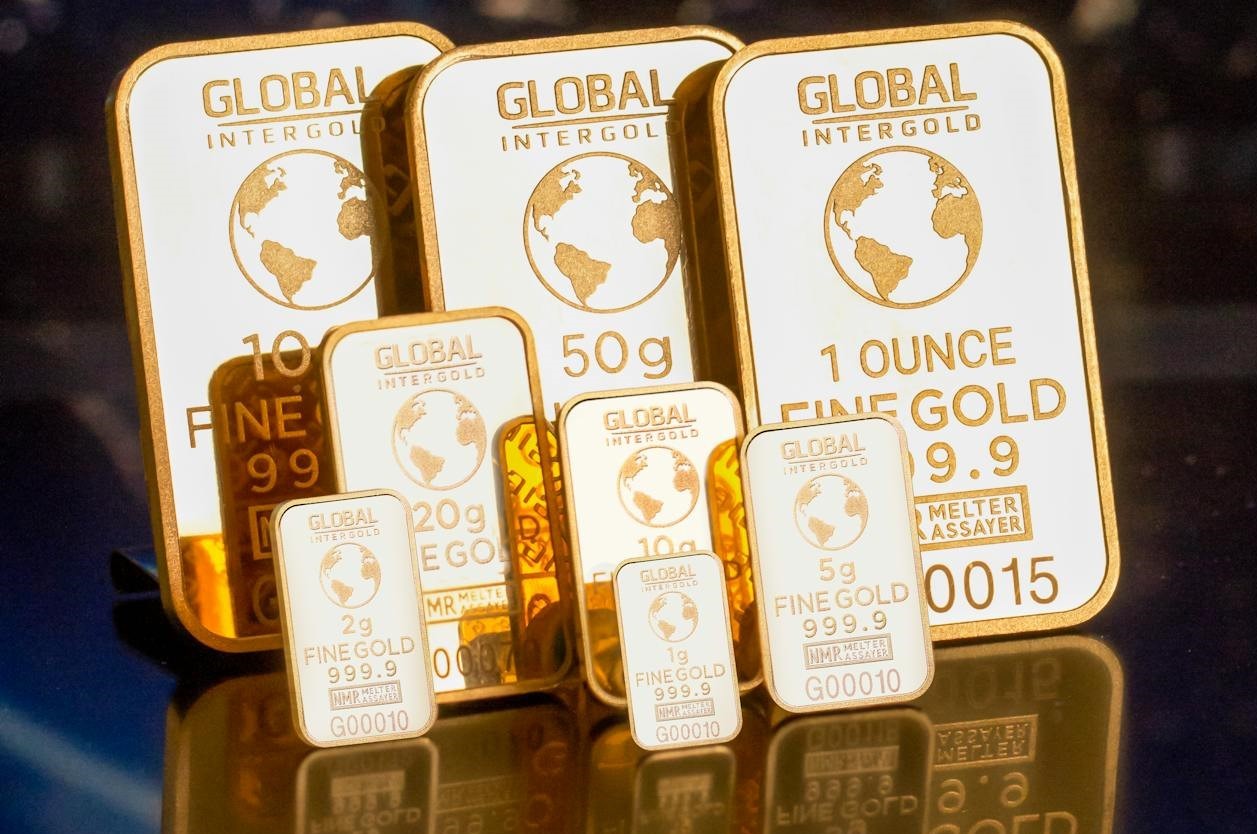
Gold prices declined on Wednesday as the U.S. dollar strengthened slightly and investors reacted cautiously to ongoing uncertainty surrounding potential peace negotiations between the United States and Iran. Concerns over the future of the Strait of Hormuz and rising global inflation pressures also affected precious metals and commodity markets.
Spot gold fell 1.2% to $4,452.24 per ounce, while gold futures dropped 1.1% to $4,483.55 per ounce during afternoon trading. Other precious metals also moved lower, with spot silver declining 2.9% to $74.78 per ounce and platinum falling 1.1% to $1,930.85 per ounce.
Market sentiment shifted after reports emerged that Iran had allegedly received a draft memorandum of understanding aimed at ending hostilities with the U.S. According to Iranian state media, the proposal included restoring commercial shipping through the Strait of Hormuz within a month and removing U.S. naval restrictions around Iranian ports. However, the White House denied the claims, calling the reports fabricated and warning against trusting Iranian-controlled media sources.
President Donald Trump stated earlier that negotiations were progressing, though recent military exchanges between the two countries reduced optimism for a quick agreement. Trump said discussions with Iran were ongoing and hinted that stronger military action remained possible if talks failed.
Oil prices also dropped as traders anticipated that tanker traffic through the Strait of Hormuz could soon normalize. The waterway remains critical to global energy supplies, handling roughly 20% of the world’s oil and gas shipments. Recent disruptions triggered major supply concerns and fueled inflation fears worldwide.
Higher oil prices and rising bond yields have pressured gold markets because elevated interest rates typically reduce demand for non-yielding assets such as gold. Meanwhile, aluminum prices surged to a four-year high on the London Metal Exchange due to tightening global supply conditions linked to the Middle East conflict.
Analysts say ongoing geopolitical tensions, inflation concerns, and central bank policy expectations will continue driving volatility across gold, oil, and commodity markets throughout 2026.







