


 EU Defence Build-Up Too Slow for 2030 Russia Readiness Goal
  Pezeshkian Says US Must Choose When Iran War Ends
  Russian Missile and Drone Attack on Kyiv Kills Two, Damages Maternity Hospital
  Ukrainian Drone Attacks Hit Russian Regions, Injuring at Least 12
  Netanyahu Takes Aim at Mamdani as Israel Election Nears
  North Korea Rejects Nuclear Test Warning, Calls Nuclear Status Irreversible
  Ghana Says Western Support Growing for Slave Trade Reparations
  Trump, Xi Visit US National Archives After White House Summit
  Najib Razak Seeks Stay of 15-Year 1MDB Prison Sentence
  Abbas Reaffirms November 28 Palestinian Elections
  Kremlin Says No Decision Yet on Putin-Trump December Summit
  Mexico-US Trade Talks Delayed to October as Tariff Negotiations Continue
  What ‘Taiwan Independence’ Means as Xi Presses Trump on US Policy
  Netanyahu’s Brief US Trip Highlights Strains With Trump
  NATO Boosts Intelligence Sharing Amid Russia Hybrid Threats
  North Korea Warns South Korea Over US-Led Defense Role
  Netanyahu Defends Israel at UN as Delegates Stage Walkout


 Add as a preferred source on Google
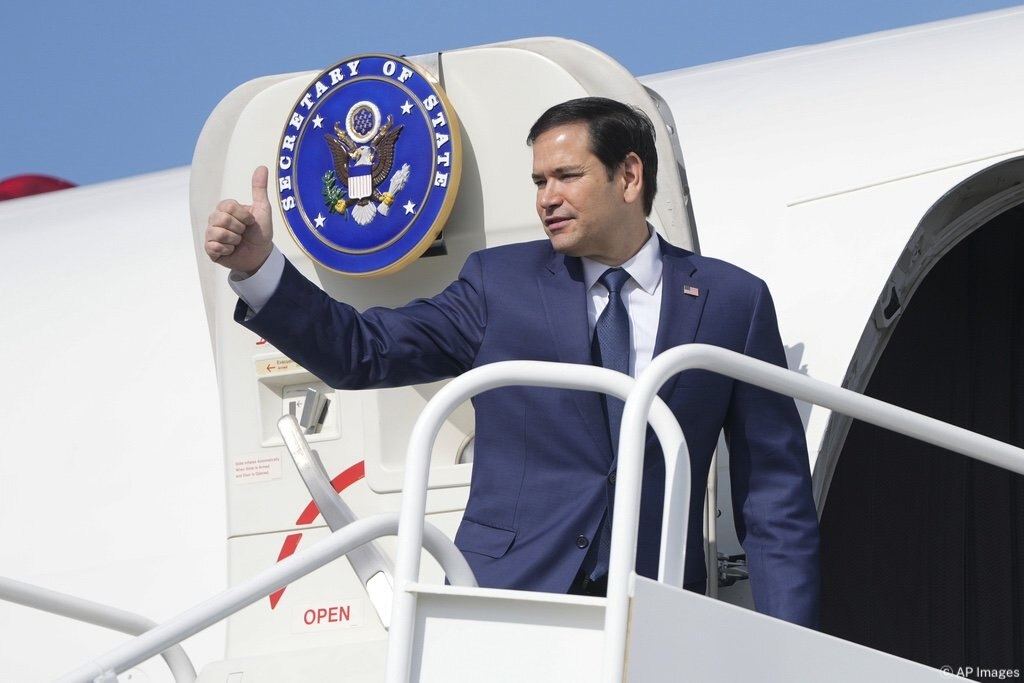
The United States has expressed strong support for Iraq’s decision to detain Islamic State members transferred from Syria, while calling on other countries to take responsibility for their citizens and repatriate them to face justice. U.S. Secretary of State Marco Rubio said Washington welcomed Iraq’s initiative, describing it as a crucial step in preventing an ISIS resurgence following recent instability in northeast Syria.
In a statement issued Thursday, Rubio said the Iraqi government’s move to hold ISIS detainees in secure facilities would help address the growing security risks caused by the rapid collapse of Kurdish-led forces that had guarded prisons and camps for years. He emphasized that non-Iraqi militants would only be held in Iraq temporarily, urging countries of origin to bring their citizens home and prosecute them under their own legal systems.
Iraq’s Supreme Judicial Council confirmed it would begin legal proceedings against Islamic State detainees transferred from Syria. This announcement came shortly after the U.S. military revealed it had moved 150 suspected ISIS militants from Syria into Iraq. According to U.S. officials, the operation could eventually involve the transfer of up to 7,000 detainees, underscoring the scale of the challenge facing regional and international partners.
For years, more than 10,000 ISIS fighters, along with tens of thousands of women and children linked to the group, have been held in roughly a dozen prisons and detention camps in northeastern Syria. These facilities were guarded by the Syrian Democratic Forces, but their rapid retreat amid clashes with Syrian government troops has raised serious concerns over prison security and humanitarian conditions.
The United Nations has stepped in to assume management responsibility for large camps housing families associated with ISIS, as fears grow that instability could allow militants to escape or reorganize. Iraq has already begun accepting detainees from Syrian prisons and has appealed to other nations to share the burden by repatriating their nationals.
Rubio described Iraq’s actions as a vital part of a long-term international framework to counter terrorism, stressing that coordinated burden sharing among coalition members remains essential to preventing the re-emergence of the Islamic State and maintaining regional security.







