


 Trump Scales Back Endangered Species Act Protections
  US Immigration Arrests Surge as Deportations Lag Behind
  Xi Calls for Deeper U.S.-China AI Cooperation in Trump Talks
  US Northeast Airports Resume Operations After Telecom Outage Disrupts Thousands of Flights
  Fed Unveils Stablecoin Rules Under GENIUS Act
  RBI Uses $10 Billion Currency Swaps to Drain Excess Rupee Liquidity
  Taiwan Thanks US for Support Ahead of Trump-Xi Summit
  US, China Extend Trade Truce to Jan. 10 Ahead of Trump-Xi Summit
  Asian Stocks Fall as Bond Yields Surge Ahead of Trump-Xi Summit
  Russian Envoy Dmitriev Heads to US for Ukraine Talks
  U.S. Treasury Yields Surge as 30-Year Hits 22-Year High
  Judge Blocks Trump Rule Limiting Foreign Student Visas
  Najib Razak Seeks Stay of 15-Year 1MDB Prison Sentence
  Trump, Xi Focus on Trade and AI at White House Summit
  China Tightens Fentanyl Rules Ahead of Trump-Xi Summit
  FDA Weighs Safety Standards for Psychedelic Therapies


 Add as a preferred source on Google
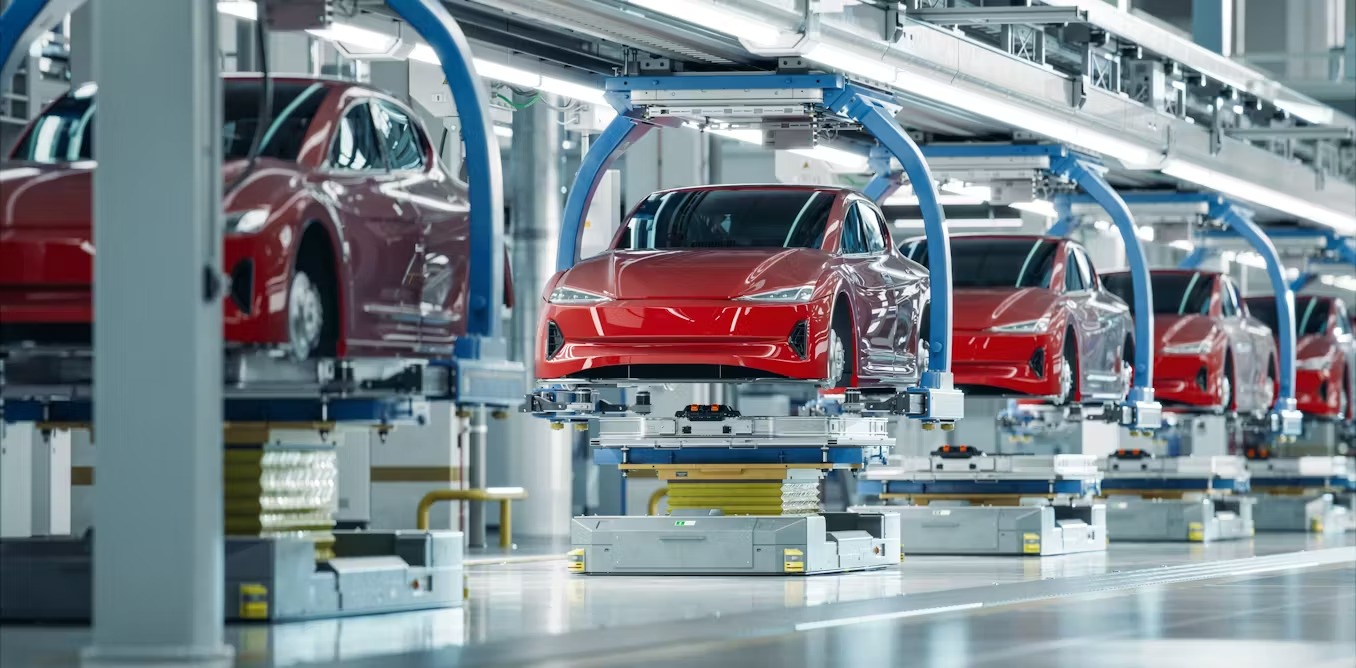
A major U.S. auto supplier group is sounding the alarm over China’s export restrictions on rare earth elements and other critical minerals, warning the situation poses an immediate threat to the automotive supply chain.
MEMA, the Vehicle Suppliers Association, said on Wednesday that auto parts manufacturers are facing “serious, real-time risks” due to limited access to essential raw materials. These minerals, including rare earths, are crucial for producing electric vehicle components, batteries, and high-tech systems used in modern vehicles.
“The situation remains unresolved and the level of concern remains very high,” MEMA said in a statement. “Immediate and decisive action is needed to prevent widespread disruption and economic fallout across the vehicle supplier sector.”
China, the dominant global exporter of rare earths, has tightened its export controls on several strategic materials in recent months, citing national security concerns. Industry analysts fear the restrictions could escalate geopolitical tensions and significantly impact global supply chains, particularly in the auto and tech sectors.
The U.S. has long depended on Chinese rare earths for manufacturing, despite efforts to diversify sourcing and invest in domestic mining and processing capabilities. MEMA is urging government officials and industry leaders to develop contingency strategies and secure alternative supplies before the situation worsens.
As electric vehicle demand grows, supply chain stability has become increasingly critical. Industry stakeholders now face pressure to act swiftly to ensure that production lines remain operational and that the transition to cleaner transportation is not derailed by mineral shortages.
The call for action underscores the growing urgency to address vulnerabilities in the automotive sector’s reliance on foreign-sourced critical materials, particularly from China, as global trade dynamics shift.







