


 Kremlin Says No Grounds Yet for Ukraine Peace Talks
  UK, Mauritius Seek Diego Garcia Base Deal
  Marco Rubio to Meet Russia’s Lavrov in New York
  US Plans Two New Military Bases in Greenland Under Arctic Deal
  Zelenskiy Meets CIA Chief John Ratcliffe at Ireland’s Shannon Airport
  Vietnam, US Trade Deal Could Be Signed Soon, To Lam Says
  Carney Condemns Belleville Synagogue Shooting That Wounded Police Officer
  US, Denmark and Greenland Set to Sign Arctic Security Deal
  Russian Strikes Kill Eight Across Ukraine as Energy Sites Hit
  Zelenskiy Warns Russia Preparing Major Attack on Ukraine
  Canada Unveils Bill to Fast-Track Major Resource Projects
  Trump Administration Prepares Sanctions Against Entire ICC
  Scott Bessent Eyed as Trump’s New AI Czar
  Burnham Eyes UK Leadership Role in AI Ahead of Trump Meeting
  Trump Meets Venezuela’s Delcy Rodriguez at UN Assembly
  Taiwan Vows to Advance US Arms Sales Ahead of Trump-Xi Meeting
  Paramount-Warner Bros $110 Billion Deal Draws Antitrust Backlash


 Add as a preferred source on Google
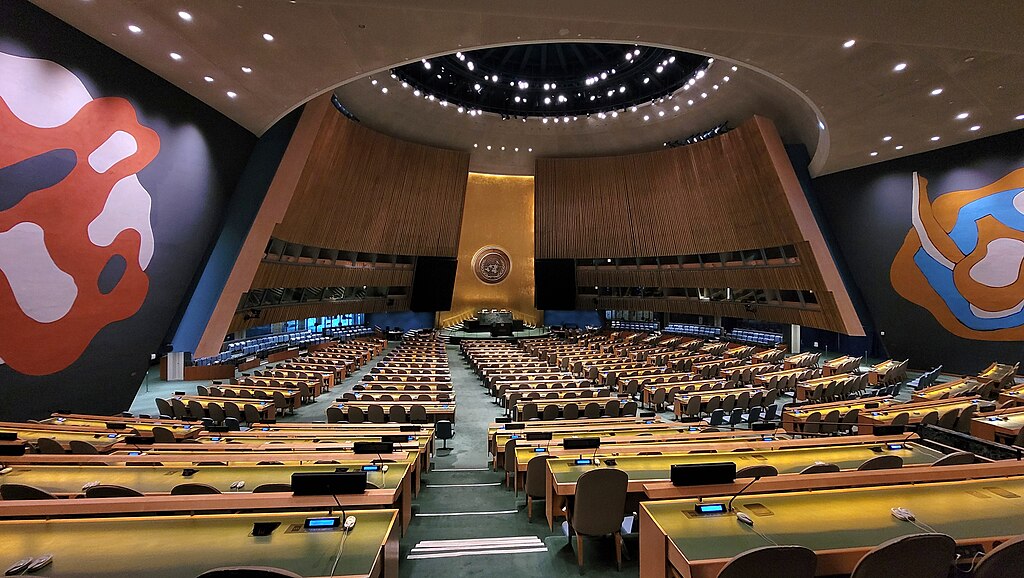
Maria Fernanda Espinosa, an Ecuadorian diplomat and former foreign affairs minister, has pledged to reform the United Nations while preserving its vital global role if elected as the next UN secretary-general. Speaking during a hearing on her candidacy on Monday, Espinosa emphasized that the organization remains essential despite facing growing criticism over inefficiency and declining influence.
Espinosa is one of six candidates seeking to replace current UN Secretary-General Antonio Guterres, whose term ends later this year. The next leader of the United Nations will inherit significant challenges, including restoring confidence in the institution and addressing concerns about its effectiveness in responding to global crises.
Acknowledging the difficulties ahead, Espinosa said she remains optimistic about the UN’s future. She argued that while the organization requires substantial reform, its mission and relevance remain unquestionable. According to Espinosa, the UN must rebuild its credibility by demonstrating tangible results rather than relying solely on promises of change.
A key element of her vision involves streamlining the UN’s operations. She proposed that the organization could be “shrunk responsibly” while strengthening national ownership and implementation of programs. Although she did not provide detailed plans, Espinosa suggested that national governments could assume greater responsibility in areas currently managed by UN agencies.
Espinosa brings extensive international experience to the race. She previously served as Ecuador’s ambassador to the United Nations and was president of the UN General Assembly from 2018 to 2019. While she served in the administration of former Ecuadorian President Rafael Correa, she has distanced herself from his political movement in recent years.
The Caribbean nation of Antigua and Barbuda nominated Espinosa for the position. Other candidates include Rebeca Grynspan of Costa Rica, former Chilean President Michelle Bachelet, former Senegalese President Macky Sall, International Atomic Energy Agency Director-General Rafael Grossi of Argentina, and Guyanese diplomat Carolyn Rodrigues-Birkett.
With UN elections scheduled later this year, Espinosa highlighted another historic possibility: no woman has ever served as UN secretary-general. She argued that after 80 years, the organization is ready for female leadership, adding that the position should go to “the right woman” capable of guiding the UN through a period of critical transformation.







