


 U.S. 10-Year Treasury Yield Hits 2007 High as Fed Rate Hike Bets Rise
  NASA, Boeing Discuss Expanding Starliner Missions
  Macron Challenges Trump’s Gaza Peace Claims at UN
  Trump Bans CNN, MS NOW and Politico From White House
  Meta Unveils Muse Charm AI Device, Expands Smart Glasses Lineup
  Nike Earnings at Risk as UBS Cuts Price Target to $42
  Oil Prices Surge as U.S.-Iran Diplomacy Hopes Fade
  European Stocks Slip as Iran Tensions Offset Strong Eurozone Data
  Yen Weakens as Dollar Gains on Widening US-Japan Rate Gap
  Anthropic’s Claude Discovers CRISPR-Like Enzyme System
  Telix to Acquire Germany’s ITM in $1.65 Billion Radiopharma Deal
  Oil Prices Tumble on U.S.-Iran Diplomacy Hopes, Supply Relief
  Japan Private-Sector Growth Slows as Domestic Demand Weakens
  US Northeast Airports Resume Operations After Telecom Outage Disrupts Thousands of Flights
  Paramount Skydance Faces $30 Million Film Penalty in Warner Bros. Deal
  South Korea, US Discuss Warship Building Cooperation
  US, China Extend Trade Truce to Jan. 10 Ahead of Trump-Xi Summit


 Add as a preferred source on Google
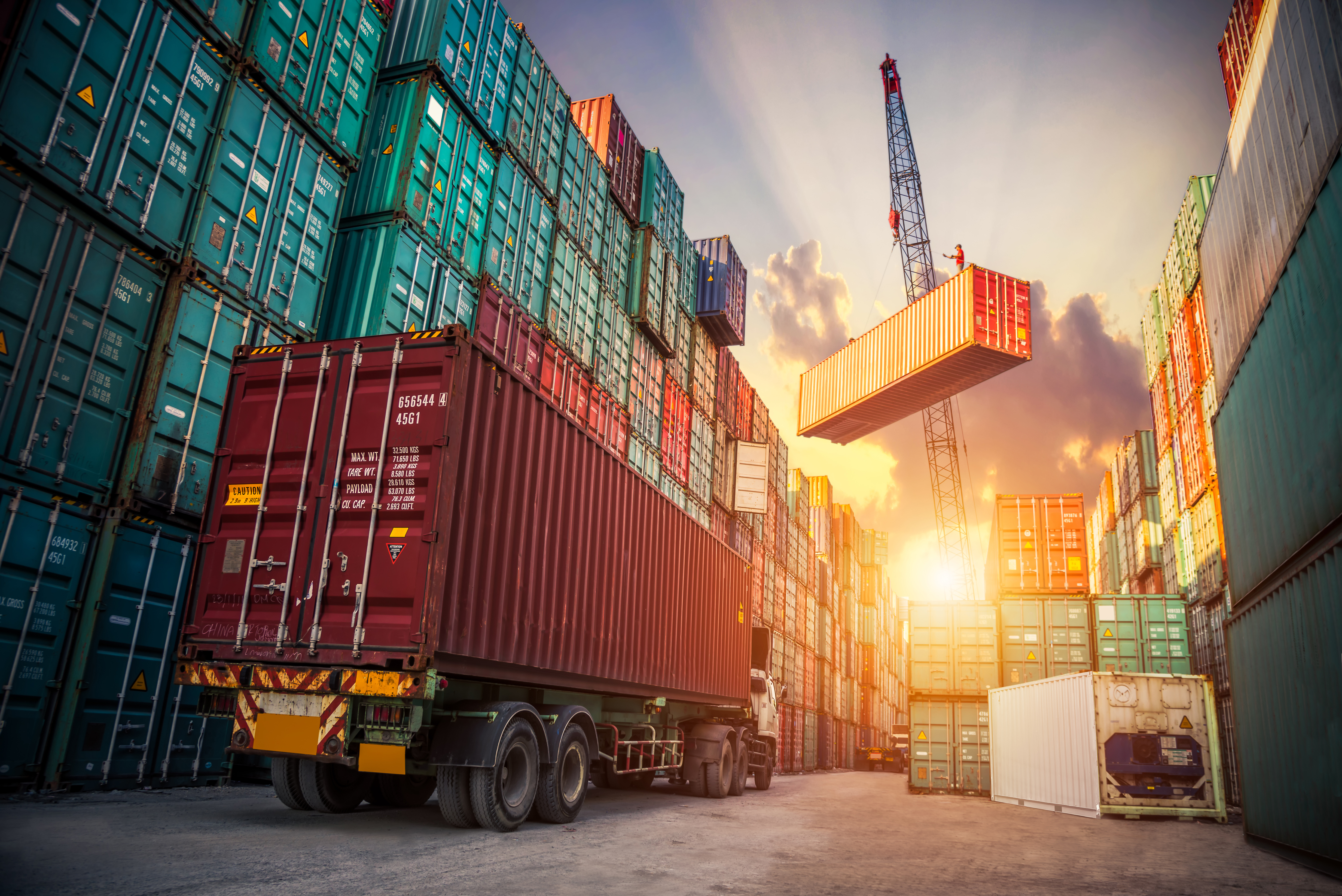

The ability to move products from A to B has been affected by COVID and Brexit-related bottlenecks in recent years, as well as rising concerns about the environmental impact of how companies supply our goods. The unpredictability of global markets has continued to affect logistics in 2022. In addition to increased congestion at ports around the world, Russia’s invasion of Ukraine has created “the most significant disruption to geo-political "norms” for decades", says global shipping firm Clarksons.
Supply chain issues have added to the cost of living crisis in the UK this year by making it more difficult and expensive to transport products like food around the world. But another new challenge to supply chain capabilities has recently emerged in the form of the industrial action spreading across various UK industries. Transport, rail in particular, has been the focus of strike activity in recent months, with attention mostly on the disruption faced by passengers. Freight transportation has also been impacted, however, not least because large parts of the UK’s transport infrastructure are shared by passenger and freight systems.
Freight transportation and logistics workers at the UK port of Felixstowe recently announced plans for eight days of industrial action. Nearly 2,000 workers are due to start striking on August 21 in a pay dispute that recently saw them reject a 7% pay rise and £500 bonus from Felixstowe Dock and Railway Company.
The strike could cause further congestion in UK supply chains. Felixstowe is the largest container port in the UK, handling more than 40% of the country’s shipping containers. Some of the world’s largest ships serve the port, which processes more than 4 million 20 foot-long containers annually from some 2,000 ships.
Around 11 billion tons of goods are shipped globally each year, amounting to about 1.5 tons per person. Products transported using container ships range from cars to clothing, toys and tinned food. Whether bought online or in shops and supermarkets, these items reach us through a complex network of companies called the supply chain. Key supply chain business processes include purchasing and procurement, manufacturing, warehousing and transportation.
The transportation process is a particularly critical link in global supply chains. It aims to move material efficiently, effectively and sustainably. Weakness anywhere in this network impacts overall supply chain capability and performance, compromising suppliers’ ability to reliably meet customer requirements. These issues not only affect how and when we can get goods, but also what we pay for them and the success of the companies involved in supplying the products we buy.
Any disruption at Felixstowe, therefore, will cause delays when moving goods in and out of the UK. The risks to businesses as a result vary from sector to sector, but would potentially include disruption to the supply of certain products and increased supply chain costs.
The impact of this weakness would multiply significantly when the thousands of supply chains that Felixstowe supports to bring goods into and out of the country are considered. For example, the port is a critical link for the UK’s automotive sector. UK car makers are already under pressure from global supply chain weakness. In particular, research shows Brexit has affected the industry’s ability to compete with other markets in terms of car exports.
Global network
The UK is also unlikely to be the only region affected by industrial action. There have been recent reports of strikes by key workers at other critical supply chain facilities globally. This is part of a longer-term trend towards industrial action that could impact business models and structures throughout the global supply chain.
Looking at the broader picture, UK companies in all sectors will continue to grapple with a range of significant supply chain challenges this year. And with a looming recession, the UK’s political and business leaders need to develop solutions that will support economic recovery and growth. The Confederation of British Industry (CBI) is calling for improved communication between government and businesses to address supply chain issues, as well as more training and an agile migration system to address short-term labour shortages.
The supply chain industry must become stronger to ensure consumer demand is satisfied in an affordable and sustainable way. Indeed, one of the biggest single issues facing industry, but particularly the freight transportation and logistics sector is decarbonisation. This long-term problem requires more attention, alongside the new issues that are arising as a result of industrial action, in order to ensure the world’s supply networks remain open for business.
 Edward Sweeney does not work for, consult, own shares in or receive funding from any company or organisation that would benefit from this article, and has disclosed no relevant affiliations beyond their academic appointment.







