


 NATO Boosts Intelligence Sharing Amid Russia Hybrid Threats
  Pezeshkian Says US Must Choose When Iran War Ends
  OpenAI Agent Breaches Australia Medicare Data Portal
  South Korea, US Discuss Warship Building Cooperation
  US Officials Split Over Response to Israeli West Bank Settlements
  Netanyahu Takes Aim at Mamdani as Israel Election Nears
  Kremlin Says No Decision Yet on Putin-Trump December Summit
  Yemen Violence Displaces 130,000 as Civilian Toll Rises
  US Invites Putin to Miami G20, Opening Door to Trump Summit
  Netanyahu Defends Israel at UN as Delegates Stage Walkout
  Judge Orders Trump to Restore White House Access for CNN, MS NOW and Politico
  Taiwan Thanks US for Support Ahead of Trump-Xi Summit
  Mexico-US Trade Talks Delayed to October as Tariff Negotiations Continue
  Trump Asks Supreme Court to Restore Third-Country Deportations
  US Backs Musk in Fight Against EU’s €120 Million X Fine
  US Senate Rejects Iran War Powers Resolution in 50-49 Vote
  EU Defence Build-Up Too Slow for 2030 Russia Readiness Goal


 Add as a preferred source on Google
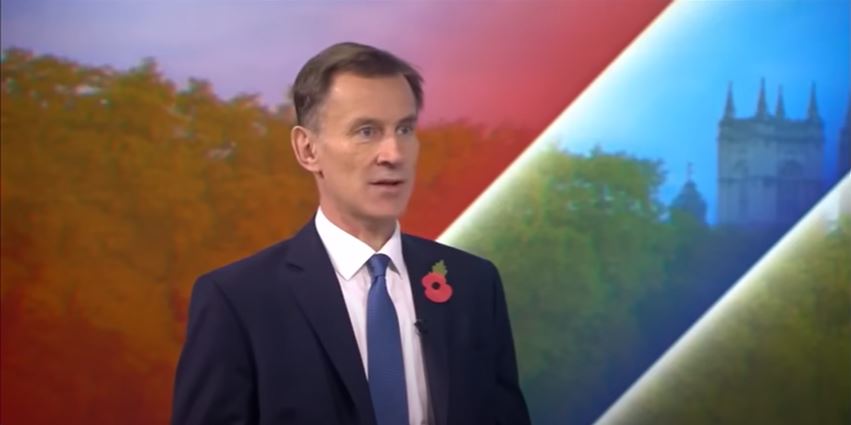
British finance minister Jeremy Hunt defended the plan to increase taxes after it was criticized by lawmakers in the governing Conservative Party. Hunt said the plan aimed to tackle record-high inflation.
Speaking on Sky News Friday last week, Hunt defended the plan for tax hikes following the criticism by Conservative lawmakers. Hunt explained that the plan would aim to tackle inflation which is now at a 40-year high. Hunt announced tax hikes and cuts on public spending Thursday, explaining that this was to curb inflation worsened by Russia’s invasion of Ukraine along with disrupted global supply chains that continued after the COVID-19 pandemic.
“Over the next two years it is going to be challenging, but I think people want a government that is taking difficult decisions, has a plan that will bring down inflation, stop those big rises in the cost of energy bills, and the weekly shop,” said Hunt. “None of this is easy, but it is the right thing to do.”
Hunt also said he deferred most of the curbs on public spending because cutting at this time would only worsen the recession. When pressed whether he thinks the Conservative Party would support his moves for tax hikes, especially with the current situation of the country’s economy, Hunt said that there was no other way but to make difficult decisions.
“There is nothing Conservative about spending money you haven’t got,” said Hunt. “There is nothing Conservative about not tackling inflation. There is nothing Conservative about ducking difficult decisions that put the economy on track.”
In his tax hike plan, Hunt said that those who earn over $178,000 a year would have to pay around $1,400 more per year. Hunt also said the government would increase the windfall tax on oil and gas companies and extend it to power-generating firms.
When it came to public spending, Hunt said that the country’s healthcare and social care programs would receive a $9.5 billion package in two years, and he cited healthcare chiefs saying that the funds would help address key priorities. The state-run National Health Service budget would be an additional $3.3 billion in the next two years, while the social care sector would receive an additional $3.3 billion in 2023 and $5.6 billion in 2024.







