


 Trump Meets Venezuela’s Delcy Rodriguez at UN Assembly
  China Tightens Fentanyl Rules Ahead of Trump-Xi Summit
  Zelenskiy Warns Russia Preparing Major Attack on Ukraine
  Sudan Rejects US Legitimacy Remarks, Defends Sovereignty
  Burnham Eyes UK Leadership Role in AI Ahead of Trump Meeting
  South Korea, US Discuss Warship Building Cooperation
  Scott Bessent Eyed as Trump’s New AI Czar
  Russian Envoy Dmitriev Heads to US for Ukraine Talks
  US Officials Split Over Response to Israeli West Bank Settlements
  US Invites Putin to Miami G20, Opening Door to Trump Summit
  Ghana Says Western Support Growing for Slave Trade Reparations
  Taiwan Vows to Advance US Arms Sales Ahead of Trump-Xi Meeting
  Trump Says U.S.-Iran Peace Deal Near After UN Talks
  Vietnam, US Trade Deal Could Be Signed Soon, To Lam Says
  US, China Extend Trade Truce to Jan. 10 Ahead of Trump-Xi Summit
  Gaza Faces Evacuation Crisis as War-Damaged Buildings Risk Collapse
  Marco Rubio to Meet Russia’s Lavrov in New York


 Add as a preferred source on Google
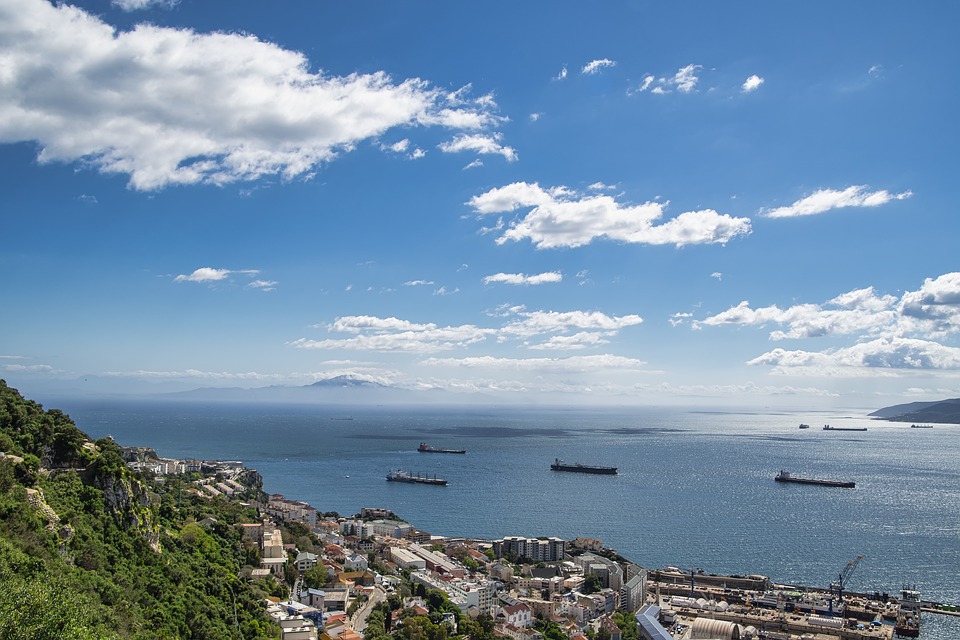
This week, in a long-overdue addition, Gibraltar was officially recognized as a British city. The addition of Gibraltar as one of the United Kingdom’s official cites came after 180 years when its status was often overlooked.
Gibraltar was finally added to the UK’s list of official cities Monday after 180 years. Outgoing British Prime Minister Boris Johnson praised the addition after the overseas territory made a bid to become a city this year as part of Queen Elizabeth’s Platinum Jubilee celebrations.
However, the country’s National Archives found that Gibraltar had already been granted city status in 1842.
“It is excellent to see official recognition given to the city of Gibraltar, a huge accolade to its rich history and dynamism,” said Johnson in a statement.
“This official recognition reaffirms Gibraltar’s special status in the Realms of Her Majesty, and rightly signifies the pride that Gibraltarians feel for their community and their distinctive heritage,” said Johnson.
Back in 1713, Spain ceded Gibraltar to the UK after the war but later on called to have it back. In 2002, 99 percent of residents in Gibraltar voted to reject the idea of the UK sharing sovereignty over Gibraltar with Spain.
The issue of how to police the border the city shares with Spain became a point of contention back in 2016 when the UK voted to leave the European Union.
Gibraltar was also excluded from the exit deal between the UK and the EU. Informal arrangements over Gibraltar are in place while both sides negotiate over the peninsula, which also near-unanimously voted that the UK remain in the bloc.
Meanwhile, a YouGov poll for the Times found that half of the country’s members of the Conservative Party supported the notion of renationalizing Britain’s energy industry, as the public continues to grapple with increasing energy bills.
The poll found that 47 percent of those who plan to vote Conservative in the next election supported returning energy companies to public ownership, while 28 percent opposed it. 25 percent were unsure about the issue.
53 percent of those who voted Conservative during the 2019 election were in support of the renationalization of energy firms.







