


 US Federal Register Drops Alibaba Qwen AI Search Tool
  Physicists zoom into the birth of cosmic rainstorms with new CERN study
  SpaceX Nasdaq 100 Weight to More Than Double in Rebalance
  fnny Beta Launches With a Simple Idea: Find an Event, Show Up, Get Rewarded
  FAA Allows Boeing to Sell 35 More 777F Freighters Beyond 2028
  Volvo Cars Plans 13 New Models by 2030 to Boost Sales
  Europe can’t achieve space sovereignty alone. Here’s why
  Westinghouse Targets $50 Billion Valuation in U.S. IPO
  Zelenskiy Meets CIA Chief John Ratcliffe at Ireland’s Shannon Airport
  Trump Plans Federal AI Force and AI Czar
  Meta Partners With Shopify to Bring Shop Pay Checkout to Muse AI
  Denmark Says Greenland Sovereignty Protected in US Military Deal
  France Urges Faster AI Push Despite Safety Risks
  Macron, Trump Discuss Ukraine-Russia Energy Strike Moratorium
  Paramount Skydance Faces $30 Million Film Penalty in Warner Bros. Deal
  Burnham Eyes UK Leadership Role in AI Ahead of Trump Meeting
  Big AI wants to slow down AI research. Is it a safety pause or a strategic retreat?


 Add as a preferred source on Google
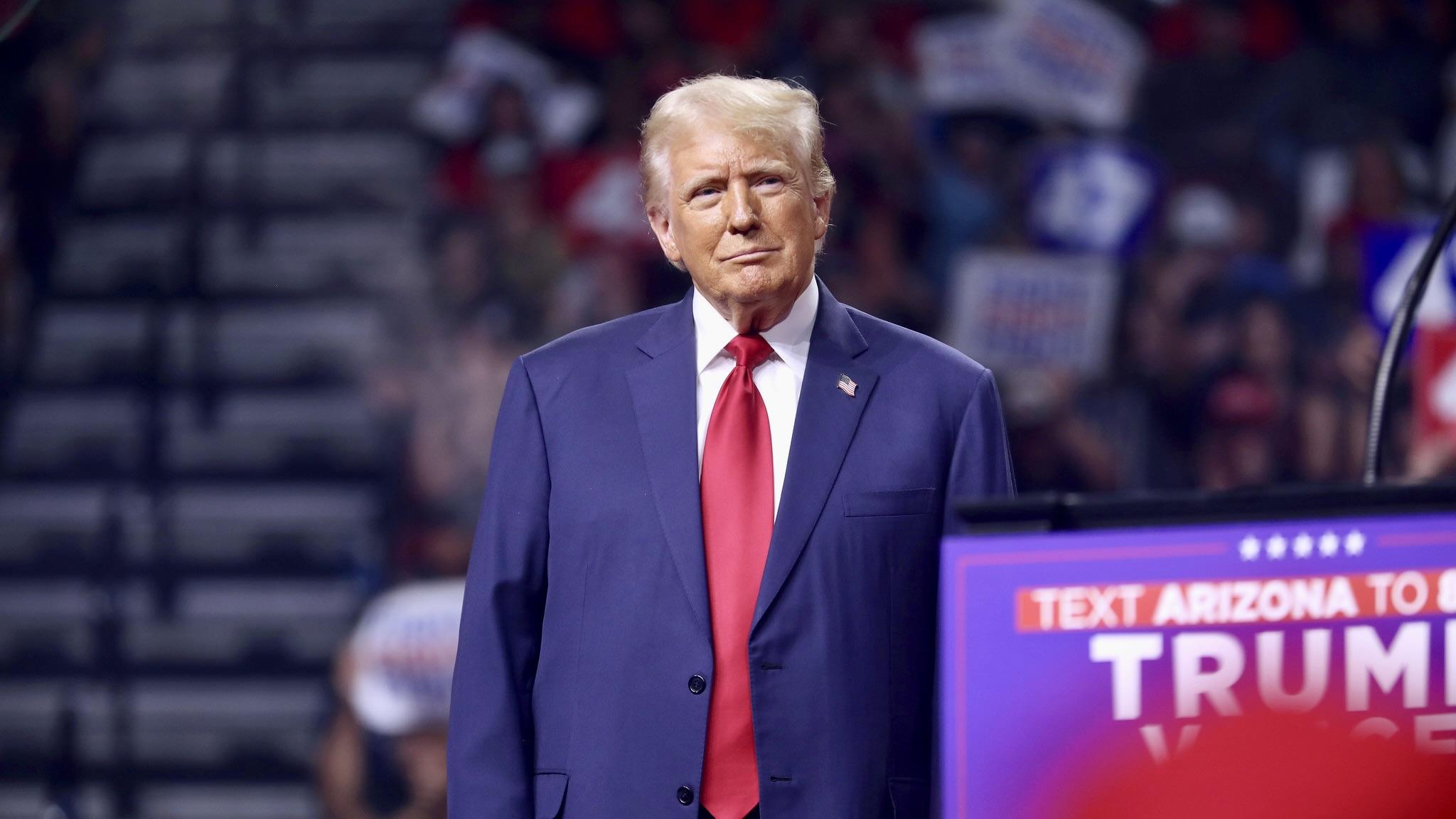
President-elect Donald Trump’s transition team is prioritizing federal regulations for autonomous vehicles, potentially accelerating innovations like Tesla’s Cybercab. Sources reveal plans to establish a framework through the U.S. Department of Transportation, aiming to address scalability and safety challenges in the burgeoning sector.
Trump’s Transition Team Targets Autonomous Vehicle Framework
Over the weekend, a story surfaced claiming that President-elect Trump's transition team is planning to prioritize the development of a legislative framework for self-driving vehicles.
Bloomberg reported on Sunday that individuals familiar with the situation said that members of Trump's transition team are seeking to establish government regulations for the introduction of driverless vehicles. The announcement is timed to coincide with Elon Musk's official appointment as a co-leader of the Department of Government Efficiency (DOGE) under the Trump administration and with Tesla and other companies working on and launching autonomous vehicles.
According to the sources, the U.S. Department of Transportation would prioritize autonomy regulations following previous failed attempts to boost the number of permits available for self-driving vehicles. The Trump campaign is reportedly seeking out prominent policy figures to assist in the development of the rules, according to several anonymous sources familiar with the situation.
Federal Limits on Self-Driving Cars Face Challenges
Attempts to extend the allowed units to 100,000 have failed, but at present, the National Highway Traffic Safety Administration (NHTSA) allows manufacturers to deploy up to 2,500 self-driving vehicles per year under a given exception.
Even though self-driving cars like Tesla's newly introduced Cybercab, which don't have a steering wheel or accelerator pedals, can't be used on a large scale just yet, many believe that Trump may change that.
Owners of Tesla vehicles can take advantage of semi-autonomous driving with the purchase and use of the company's Supervised Full Self-Driving (FSD) system, but they must remain vigilant and ready to regain control of the vehicle at any time. Additionally, last month, Tesla revealed the Cybercab, a two-seater that will reportedly be built in 2026 and will be based on FSD.
Tesla’s Vision for Scalability Amid Competition
Even while Tesla isn't running a paid ride-hailing service just yet, the business has hinted to an FSD-based app in the past, Teslarati shares. Waymo, which is owned by Alphabet, is one example of a startup aiming toward this model. The training of an artificial intelligence neural network using millions of clips of real-time driving footage from FSD Supervised customers is one reason why many in the Tesla community believe FSD will be more scalable than its competitors.
Many other firms have also tried and failed to launch driverless ride-hailing services; they include Zoox, which is owned by Amazon, Cruise, which is managed by General Motors (GM), and many more.
Although self-driving services have begun limited deployment in a few places, including California, regulators and authorities have criticized the technology after a number of accidents and traffic offenses.
How a Federal Framework Could Reshape the Industry
However, the national landscape of autonomous vehicles may be shaped by the establishment of a federal framework. This development is likely to favor Musk and Tesla, particularly considering the CEO's tight relationship with Trump.







