


 US Stock Futures Fall as Treasury Yields Surge Ahead of Trump-Xi Summit
  Russian Envoy Dmitriev Heads to US for Ukraine Talks
  Dollar Hits Two-Month High as Fed Rate Hike Bets Rise
  Netanyahu’s Brief US Trip Highlights Strains With Trump
  Sudan Rejects US Legitimacy Remarks, Defends Sovereignty
  RBI Uses $10 Billion Currency Swaps to Drain Excess Rupee Liquidity
  US Invites Putin to Miami G20, Opening Door to Trump Summit
  US Dollar Hits Two-Month High as Fed Rate Hike Bets Rise
  Netanyahu Defends Israel at UN as Delegates Stage Walkout
  Oil Prices Surge as U.S.-Iran Diplomacy Hopes Fade
  Japan Private-Sector Growth Slows as Domestic Demand Weakens
  Oil Prices Jump 3% as Houthi Attack Revives Supply Fears
  Mexico-US Trade Talks Delayed to October as Tariff Negotiations Continue
  EU Defence Build-Up Too Slow for 2030 Russia Readiness Goal
  France Defends Netanyahu Airspace Clearance Despite ICC Warrant
  North Korea Warns South Korea Over US-Led Defense Role


 Add as a preferred source on Google
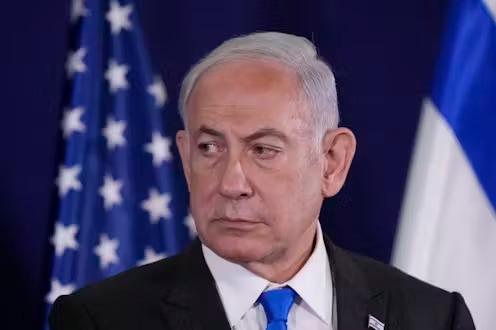
U.S. stock markets showed resilience Thursday as the S&P 500 recovered from a 1% intraday decline to trade nearly flat, driven by remarks from Israeli Prime Minister Benjamin Netanyahu claiming significant damage to Iran's military infrastructure. Crude oil prices also dropped in response to the developments.
Speaking at a news conference, Netanyahu declared that 20 days of coordinated U.S.-Israeli airstrikes had severely degraded Iran's ability to enrich uranium and produce ballistic missiles. "We are winning, and Iran is being decimated," he stated, adding that Iran's missile and drone stockpiles are being systematically dismantled. He noted the strikes are focused on facilities linked to missile production and nuclear weapon components, though he stopped short of providing independent verification for his claims.
The ongoing conflict traces back to February 28, when the United States and Israel launched a joint aerial campaign against Iran following the breakdown of diplomatic negotiations over Tehran's nuclear ambitions. In retaliation, Iran has launched missile strikes against Israel and neighboring Gulf nations and has moved to restrict tanker movement through the strategically vital Strait of Hormuz, raising concerns about global oil supply chains.
Netanyahu left open the possibility of internal political upheaval in Iran, suggesting the decision rests with the Iranian people. He also confirmed that ground operations may eventually complement the air campaign, without elaborating on timelines or scope. Pushing back against criticism of U.S. involvement, he questioned whether anyone genuinely believes someone could direct President Trump's decisions.
Financial markets responded cautiously but positively to the news. Investors interpreted Netanyahu's comments as a potential signal of progress toward conflict resolution, easing fears of prolonged regional instability. Oil markets retreated as supply disruption risks appeared to lessen, reflecting broader market sensitivity to Middle East geopolitical developments and their ripple effects on global energy prices.







