


 Trump Warns China Against Supporting Iran in Xi Talks
  Japan Private-Sector Growth Slows as Domestic Demand Weakens
  Oil Prices Ease as Iran Tensions Clash With Diplomacy Hopes
  Fed Unveils Stablecoin Rules Under GENIUS Act
  US Comfortable With Canada Trade Standoff as Import Bans Loom
  Fed’s Hammack Says Bond Yield Surge Is Not Driven by Inflation Fears
  Dollar Falls as Oil Eases, Yen Jumps on Intervention Signals
  NATO Boosts Intelligence Sharing Amid Russia Hybrid Threats
  Ukrainian Drone Attacks Hit Russian Regions, Injuring at Least 12
  Pezeshkian Says US Must Choose When Iran War Ends
  Netanyahu’s Brief US Trip Highlights Strains With Trump
  U.S. Treasury Yields Surge as 30-Year Hits 22-Year High
  China’s ‘Lipstick King’ Says AI Won’t Replace Livestream Hosts
  Dollar Holds Near Two-Month High as Yen Approaches 160
  Saudi Arabia Seeks Military Support as Houthi Attacks Escalate
  Trump, Xi Focus on Trade and AI at White House Summit


 Add as a preferred source on Google
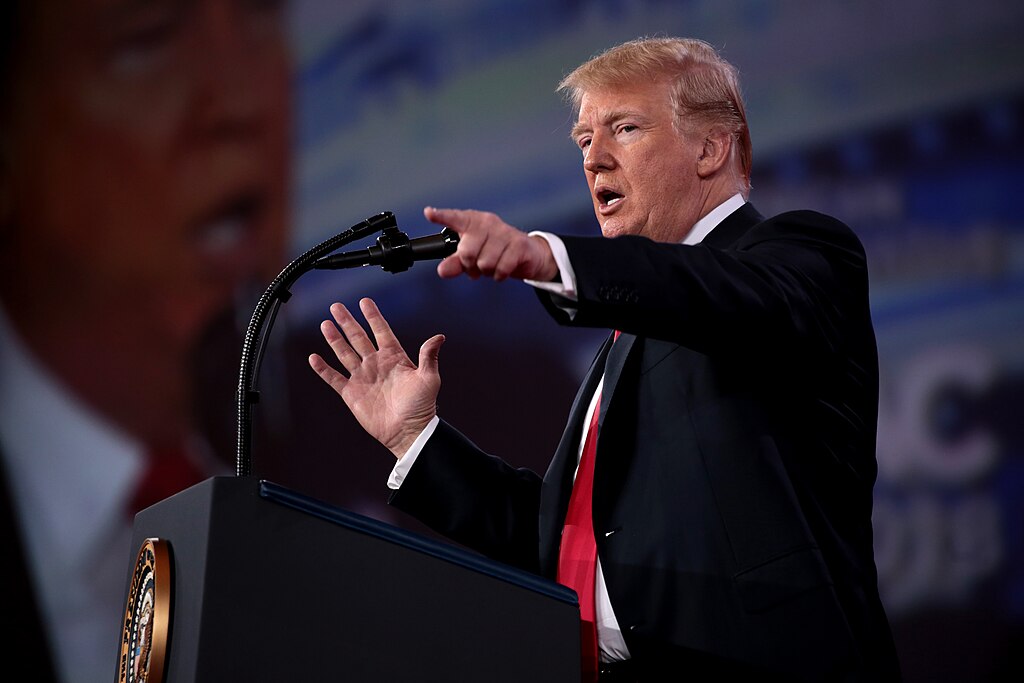
President-elect Donald Trump has threatened to reclaim U.S. control over the Panama Canal, citing "exorbitant" fees imposed by Panama and expressing concerns over potential foreign influence. This assertion has ignited international debate and raised questions about the feasibility and implications of such a move.
Trump's Assertions and Concerns
In a recent post on Truth Social, Trump criticized the fees charged by Panama for canal usage, labeling them as "ridiculous" given the historical U.S. investment in the canal's construction and operation. He stated, "If the principles, both moral and legal, of this magnanimous gesture of giving are not followed, then we will demand that the Panama Canal be returned to us, in full, and without question." Additionally, Trump expressed apprehension about the canal potentially falling into "the wrong hands," alluding to concerns over Chinese involvement, despite China not controlling the canal's operations.
Historical Context of the Panama Canal
The United States constructed the Panama Canal in the early 20th century, inaugurating it in 1914. Under the Torrijos–Carter Treaties signed in 1977, the U.S. agreed to transfer control of the canal to Panama, a process completed on December 31, 1999. Since then, the Panama Canal Authority, an autonomous Panamanian government agency, has managed the canal's operations.
International and Legal Implications
Trump's proposal to reclaim the canal challenges established international agreements and could strain U.S.-Panama relations. The Torrijos–Carter Treaties, ratified by both nations, do not provide a legal framework for the U.S. to unilaterally resume control over the canal. Such an action would likely face significant legal and diplomatic obstacles, potentially leading to international disputes.
Public Reaction
The President-elect's statements have elicited a range of reactions on social media. Twitter user @GlobalAffairsAnalyst commented, "Trump's threat to retake the Panama Canal disregards international treaties and could destabilize diplomatic relations." In contrast, @AmericaFirstSupporter expressed, "Reclaiming the canal is a bold move to protect U.S. interests and counter foreign influence." User @HistoryProfessor noted, "The Panama Canal has been under Panamanian control since 1999; any attempt to reverse this is unprecedented." Meanwhile, @LegalEagle tweeted, "International law doesn't support unilateral reclamation of the canal; this could lead to serious legal challenges." Another user, @TradeExpert, observed, "The canal is vital for global trade; disrupting its operations could have widespread economic repercussions." Lastly, @DiplomacyWatch stated, "Such statements strain U.S.-Panama relations and undermine decades of diplomatic progress."
Potential Impact on Global Trade
The Panama Canal is a critical conduit for international maritime trade, facilitating the transit of approximately 14,000 ships annually and accounting for about 2.5% of global seaborne ... . Any disruption or alteration in its governance could have significant repercussions for global shipping routes, trade efficiencies, and economic stability.
While President-elect Trump's statements underscore his administration's focus on reassessing international agreements, the proposal to reclaim the Panama Canal presents complex legal, diplomatic, and economic challenges. Engaging in constructive dialogue with Panamanian authorities and adhering to established treaties will be essential in addressing concerns related to canal operations and international trade relations.







