


 US Stock Futures Mixed as Strong Jobs Data Boosts Fed Rate Hike Bets
  Gold Prices Rise as Yen Rally Weakens Dollar
  China Inflation Accelerates in August as CPI, PPI Rise
  China Exports Surge 25% in August as Trade Surplus Hits $119 Billion
  Japan, U.S. Stay Aligned on Yen as Currency Surges
  Asian Currencies Mixed as Yen Rallies on BOJ Bets
  Iran Plans New Gulf Restricted Zone as Hormuz Tensions Push Oil Higher
  UK Food Inflation Forecast to Hit 6.4% by Mid-2027
  Asian Stocks Mixed as AI Chip Rally Meets Oil Surge
  China Boosts Gold Reserves by 650,000 Ounces as Prices Rally
  Asian Stocks Mixed as Korean Chipmakers Rally
  US Stock Futures Mixed as Fed Rate Hike Bets Rise
  Oil Prices Rally as Brent Nears $100 on U.S.-Iran Escalation
  Hungary Industrial Output Beats Forecasts With 4.7% July Growth
  Japanese Yen Nears Seven-Month High as Oil Approaches $100
  Iraq Seeks 6 Million Bpd OPEC+ Oil Quota
  Gold Prices Rebound as Dollar Weakens, Fed Decision Looms


 Add as a preferred source on Google
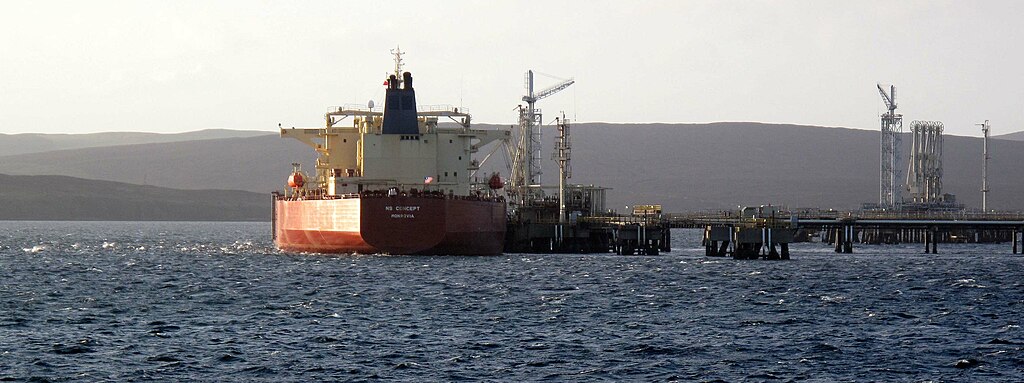
Brent crude oil prices climbed above $100 a barrel on Wednesday for the first time since July 24 as escalating Middle East conflict intensified fears of further disruptions to global oil supplies.
Benchmark Brent crude futures rose as high as $100.19 a barrel before trading up $2.01, or 2.05%, at $99.93 by 0802 GMT. U.S. West Texas Intermediate crude gained $1.49, or 1.60%, to $94.52 a barrel.
Brent oil has advanced roughly 25% since early August as expectations for a lasting resolution to the six-month U.S.-Iran conflict have weakened. Since fighting began on February 28, Brent has reached as high as $126.41, a peak recorded on April 30.
Oil supply concerns intensified this week after Iran-backed Houthis attacked Saudi energy facilities, setting installations ablaze and raising the risk of a broader regional confrontation. The strikes also threaten crude shipments through the Red Sea, an important alternative to the Strait of Hormuz, where oil traffic has already been sharply restricted.
Hamad Hussain, senior climate and commodities economist at Capital Economics, said traders appear to be pricing in a longer Middle East conflict and greater risks to regional oil flows. Ship-to-ship transfers in the Gulf of Oman are also becoming increasingly important to global supply.
Before fighting resumed on August 30, around 8 million to 9 million barrels per day were moving through Hormuz, according to Rystad Energy Chief Economist Claudio Galimberti. More recently, volumes have dropped below 2 million bpd.
The mounting supply threat has prompted Goldman Sachs, Bank of America and HSBC to raise their crude oil price forecasts.
Jeffrey Currie, co-chairman at Abaxx Markets, said higher energy prices increasingly reflect a structural “security premium” rather than a temporary shock.
Although producers including the United States, Canada and Guyana have increased output, the International Energy Agency expects global oil supply to decline by 4.3 million bpd this year, equivalent to roughly 4%, adding further pressure to an already tight market.







