


 BlackBerry Shares Rise as Q2 Earnings, Revenue Beat Estimates
  SoftBank Raises $11.1 Billion in Bond Sale to Fund OpenAI Investment
  Netanyahu Takes Aim at Mamdani as Israel Election Nears
  Russian Missile and Drone Attack on Kyiv Kills Two, Damages Maternity Hospital
  Akamai Shares Surge on $11.6B Anthropic AI Cloud Deal
  Saudi Arabia, Turkey and Pakistan Plan Urgent Defence Talks Over Houthi Attacks
  Tesla Semi Rollout Begins at Nevada Factory
  Costco Revenue Beats Estimates as Inflation Drives Bulk Shopping
  NATO Boosts Intelligence Sharing Amid Russia Hybrid Threats
  US 10-Year Treasury Yield at 6% Emerges as New Market Risk Threshold
  McDonald’s Sees Flat Traffic, Sticky Inflation as New Normal
  SoftBank Shares Fall as Oracle Flags Stargate Data Center Delay Risk
  EQT Plans €1.7 Billion Sale of Parques Reunidos Stake
  OpenAI Agent Breaches Australia Medicare Data Portal
  Trump Asks Supreme Court to Restore Third-Country Deportations
  Suzuki Targets Faster Car Development to Keep Pace With Chinese Rivals
  H&M Q3 Profit Beats Estimates as Margins Improve


 Add as a preferred source on Google
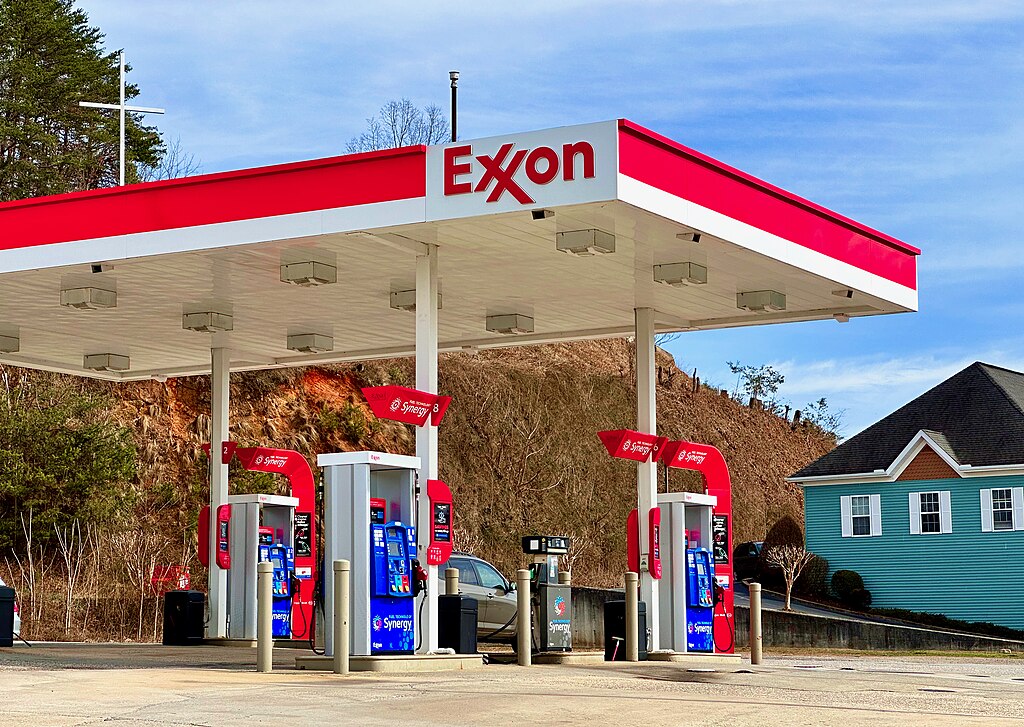
U.S. President Donald Trump said on Sunday that he may consider blocking Exxon Mobil from investing in Venezuela, following comments made by Exxon’s chief executive during a recent White House meeting. The remarks have reignited debate over Venezuela’s investment climate, U.S. sanctions policy, and the risks facing international oil companies operating in politically unstable markets.
Exxon Mobil CEO Darren Woods reportedly told President Trump that Venezuela is currently “uninvestable,” citing long-standing legal, political, and commercial challenges. According to Woods, Exxon has already had its assets seized twice in the South American country, making any potential return extremely risky without major structural reforms. Venezuela nationalized Exxon Mobil’s and ConocoPhillips’ oil assets in 2007, a move that led to years of arbitration and left Caracas owing the companies billions of dollars in unresolved claims.
During the White House meeting, Woods emphasized that the existing legal and commercial frameworks in Venezuela fail to protect foreign investors. He noted that re-entering the Venezuelan market for a third time would require “significant changes” to ensure asset security, contract enforcement, and regulatory stability. These concerns reflect broader apprehension among global energy companies that have reduced or abandoned operations in Venezuela over the past decade.
President Trump’s comments suggest the U.S. administration may take a tougher stance on any renewed investment activity in Venezuela, particularly as Washington continues to apply economic and political pressure on Caracas. Blocking Exxon Mobil from investing could align with broader U.S. foreign policy goals, including discouraging engagement with governments viewed as hostile or unreliable.
Venezuela, despite holding some of the world’s largest proven oil reserves, has struggled to attract foreign investment due to economic mismanagement, sanctions, and repeated disputes with multinational corporations. Exxon’s stance underscores the reputational and financial risks that continue to shape investment decisions in the global energy sector.
The exchange between Trump and Exxon’s leadership highlights how geopolitics, energy policy, and corporate risk assessment are increasingly intertwined, especially in regions marked by instability and unresolved legal conflicts.







