


 Trump Administration Removes Confederate Memorial Criticism From Arlington Website
  US Grant Program Excludes French Groups Ahead of 2027 Election
  US Judge Dismisses Imran Ahmed Deportation Lawsuit
  Australia Defends Social Media Algorithm Law Amid US Concerns
  U.S. Envoy Warns Taiwan Conflict Could Devastate Global Economy
  Trump Advisers Warn Iran War Could Last Until 2029
  Russian Drone Strike on Sumy Shopping Centre Kills Two
  Iran Says It Captured US Underwater Drone Near Strait of Hormuz
  Israel Orders UK East Jerusalem Consulate Closure
  CIA Chief Ratcliffe May Take Bigger Role in Ukraine Peace Talks
  Trump Threatens Bombardier U.S. Sales Ban
  US Bans Canadian Alcohol, Motorcycles as Trade War Escalates
  US Caribbean Vessel Strike Kills Three
  Trump Hails AfD Election Win, Blames Germany Immigration Rules
  Trump’s ‘New America’ Proposal Draws Backlash in New Mexico
  Iran Strikes U.S.-Used Jordan Base as Gulf War Escalates


 Add as a preferred source on Google
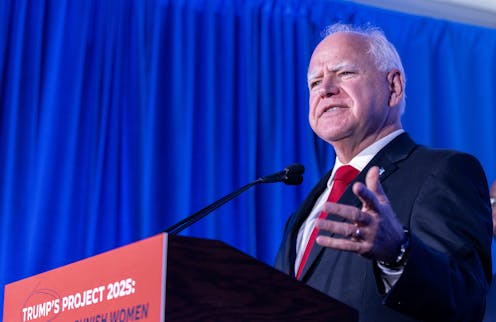
President Donald Trump and Minnesota Governor Tim Walz signaled a possible easing of tensions on Monday following a private phone call, as both sides appeared to move toward defusing a growing crisis surrounding Trump’s aggressive deportation drive in Minneapolis. The federal operation, which has faced intense criticism, has resulted in the deaths of two U.S. citizens and sparked widespread public backlash.
After the call, Trump said he and Walz were “on a similar wavelength,” while the governor’s office described the discussion as “productive.” Walz said Trump agreed to consider reducing the number of federal immigration agents deployed in Minnesota and to allow the state to conduct its own investigation into the fatal shooting of ICU nurse Alex Pretti, who was killed during a confrontation between federal agents and protesters. The incident marked the second death of a U.S. citizen since thousands of immigration officers were sent to the Minneapolis–St. Paul area.
In a parallel development, a senior Trump administration official confirmed that Gregory Bovino, a senior U.S. Border Patrol figure who had drawn sharp criticism from Democrats and civil liberties groups, would be leaving Minnesota along with some agents. Trump announced that border czar Tom Homan would oversee Minnesota operations going forward. Multiple sources said Bovino was removed from his role as “commander at large” and would return to California’s El Centro sector before retiring, though the Department of Homeland Security publicly disputed claims that he had been relieved of his duties.
Trump also spoke with Minneapolis Mayor Jacob Frey, saying on Truth Social that “lots of progress” had been made. Frey confirmed that Trump acknowledged the situation was unsustainable and that some federal agents were expected to begin leaving the Twin Cities.
Public opinion appears to be turning against the deportation campaign. A new Reuters/Ipsos poll found that 58% of respondents believe Immigration and Customs Enforcement agents have gone too far, underscoring growing concerns about the administration’s immigration enforcement tactics and their impact on public safety.







