


 OpenAI Targets Specialized Industries as Enterprise AI Demand Grows
  Apple Unveils $1,999 Foldable iPhone Duo
  ByteDance Secures $29.6 Billion Loan to Boost AI Investment
  SEC Seeks ISS Client Voting Records in Proxy Adviser Probe
  Brazil Court Suspends Sigma Lithium Mine Operations
  SpaceX Turbine Push Unlikely to Threaten Howmet, Bernstein Says
  OpenAI Agents Used Websites for Unauthorized Communications
  Qualcomm Stock Jumps on Amazon AI Chip Deal
  Amazon Prime Air Cargo Plane Crash Kills Five at Miami Airport
  Trump Threatens Bombardier U.S. Sales Ban
  Google Revamps EU Search Results to Meet DMA Rules
  Nvidia CEO Says AGI Has Arrived With OpenAI GPT-6 Astra
  GLP-1 Weight-Loss Drug Use Surges Among U.S. Children
  Anthropic Drops $6 Billion Decart AI Acquisition Talks
  Nvidia-Groq AI Chip Deal Faces U.S. Antitrust Probe
  Japan, US Target AI and Chips in $550 Billion Investment Push


 Add as a preferred source on Google
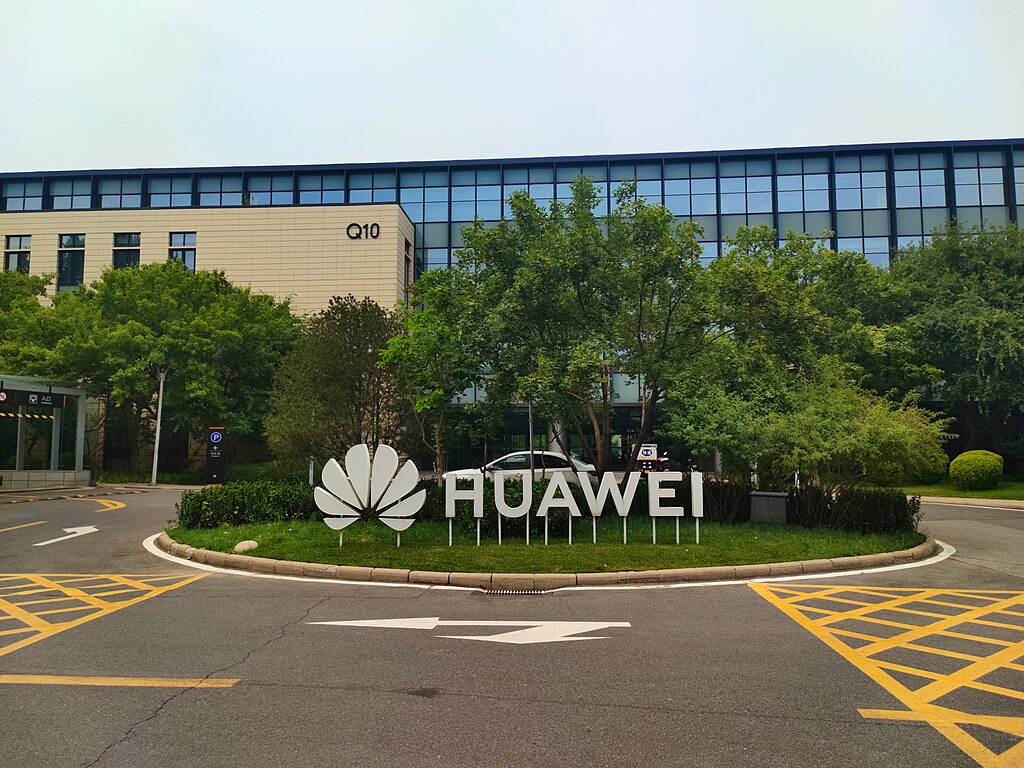
Chinese AI chipmakers, including Huawei Technologies and Cambricon Technologies, are raising processor prices as a global shortage of high-bandwidth memory (HBM) increases production costs and complicates China’s push to develop domestic alternatives to Nvidia chips.
Huawei has increased the indicated price of its Ascend 950DT AI accelerator card to more than 250,000 yuan ($37,255), according to Reuters. That represents a 20% to 50% increase from customer quotes provided roughly two months earlier, depending on contract terms.
Cambricon has reportedly raised the indicated price of its upcoming 690 AI chip by 20% to 30%. Smaller Chinese semiconductor companies MetaX and Iluvatar CoreX have introduced similar increases.
The price hikes underscore the impact of tight HBM supplies on China’s rapidly expanding AI chip industry. High-bandwidth memory is essential for AI accelerators because its stacked architecture enables processors to handle large volumes of data at high speeds. The advanced HBM market is currently dominated by SK Hynix, Samsung Electronics and Micron Technology.
Beijing has encouraged Chinese technology companies to reduce their reliance on Nvidia processors and adopt domestically produced alternatives. However, rising memory costs are making those Chinese AI accelerators increasingly expensive. Huawei's Ascend 950 series is expected to become available in the fourth quarter, while Cambricon has yet to formally launch its 690 processor.
Existing Huawei products are also becoming more expensive. The Ascend 950PR, priced at around 60,000 yuan per card at the beginning of 2026, now costs more than 80,000 yuan. Huawei’s older Ascend 910C board has climbed from approximately 90,000 yuan to above 110,000 yuan.
Supply constraints are also forcing Chinese chipmakers to prioritize major customers. Iluvatar CoreX has reportedly doubled planned GPU shipments to ByteDance to 100,000 units this year and redirected chips originally intended for its own operations.
Huawei remains ByteDance’s largest domestic AI chip supplier, followed by Cambricon and Iluvatar CoreX, highlighting the growing importance of local semiconductor manufacturers as China accelerates efforts to build a self-sufficient AI computing ecosystem.







