


 Trump Scales Back Endangered Species Act Protections
  DOJ Will Investigate AI-Related Crimes, Attorney General Blanche Says
  Judge Blocks Trump Rule Limiting Foreign Student Visas
  FAA Allows Boeing to Sell 35 More 777F Freighters Beyond 2028
  Russian Missile and Drone Attack on Kyiv Kills Two, Damages Maternity Hospital
  FDA Weighs Safety Standards for Psychedelic Therapies
  China Reviews Broadcom Switch Use in State Data Centres
  Europe Warns Russia Is Escalating Hybrid Attacks Across NATO
  EU Defence Build-Up Too Slow for 2030 Russia Readiness Goal
  Who should own the knowledge that underpins AI technology?
  NATO Boosts Intelligence Sharing Amid Russia Hybrid Threats
  OpenAI Agent Breaches Australia Medicare Data Portal
  Pezeshkian Says US Must Choose When Iran War Ends
  Trump, Xi Focus on Trade and AI at White House Summit
  U.S. Imposes New Visa Restrictions Over South Africa Policies
  ICE Agent Arrested in Minneapolis Over Venezuelan Man Shooting


 Add as a preferred source on Google
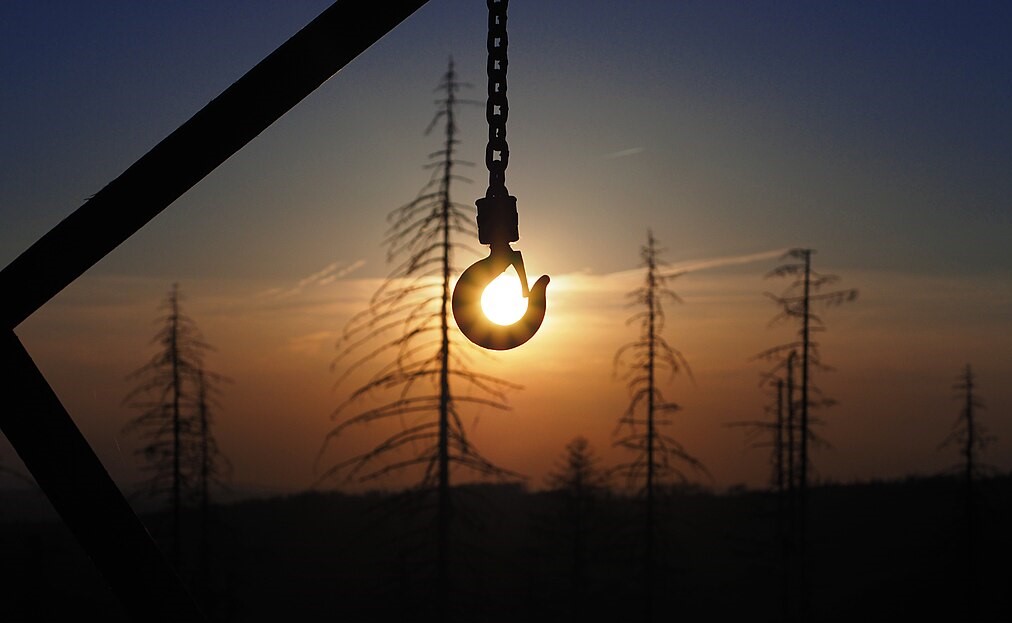
President Donald Trump has renewed calls for Congress to make daylight saving time (DST) permanent, urging lawmakers to end the long-standing practice of switching clocks twice a year. His comments follow a recent congressional hearing—the first in over three years—on whether to adopt daylight saving time year-round or remain on standard time permanently.
“The House and Senate should push hard for more daylight at the end of the day,” Trump said on Friday, advocating for longer evenings that many believe could boost economic activity, particularly during winter.
In March 2022, the Senate unanimously passed a bill to make DST permanent, but the legislation stalled in the House of Representatives. Trump noted last month that there remains no clear consensus, with Senator Ted Cruz acknowledging the challenge: “There is widespread agreement on locking the clock, but where to lock it?”
Allowing states to choose their preferred time standard has also been proposed, though critics argue that it could result in a confusing patchwork of time zones across the country.
Daylight saving time has been practiced across most of the U.S. since the 1960s. Proponents argue permanent DST would reduce energy consumption, improve evening safety, and encourage commerce. However, critics raise concerns that darker mornings would pose risks to children commuting to school and could disrupt natural sleep cycles.
Historically, year-round DST was enacted during World War II and briefly reinstated during the 1973 oil crisis to save energy, but public dissatisfaction led to its repeal after just one year.
Opponents of the time changes cite increased health issues, sleep disturbances, and higher rates of traffic accidents linked to clock shifts. As debate continues, Congress faces growing pressure to resolve the issue and “lock the clock” for good.







