


 US, China Extend Trade Truce to Jan. 10 Ahead of Trump-Xi Summit
  Kremlin Says No Decision Yet on Putin-Trump December Summit
  North Korea Rejects Nuclear Test Warning, Calls Nuclear Status Irreversible
  Yemen Violence Displaces 130,000 as Civilian Toll Rises
  Taiwan Thanks US for Support Ahead of Trump-Xi Summit
  Mexico-US Trade Talks Delayed to October as Tariff Negotiations Continue
  Judge Orders Trump to Restore White House Access for CNN, MS NOW and Politico
  North Korea Warns South Korea Over US-Led Defense Role
  US Senate Rejects Iran War Powers Resolution in 50-49 Vote
  Netanyahu Takes Aim at Mamdani as Israel Election Nears
  Gaza Faces Evacuation Crisis as War-Damaged Buildings Risk Collapse
  Europe Warns Russia Is Escalating Hybrid Attacks Across NATO
  Russian Missile and Drone Attack on Kyiv Kills Two, Damages Maternity Hospital
  Pezeshkian Says US Must Choose When Iran War Ends
  France Defends Netanyahu Airspace Clearance Despite ICC Warrant
  Trump Asks Supreme Court to Restore Third-Country Deportations
  Sudan Rejects US Legitimacy Remarks, Defends Sovereignty


 Add as a preferred source on Google
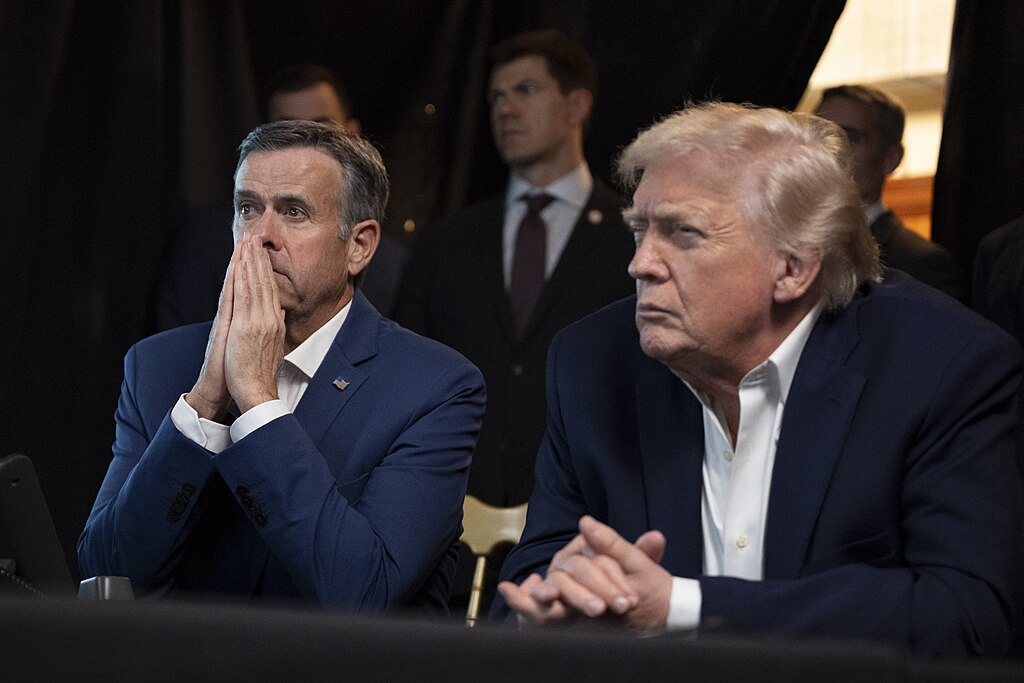
President Donald Trump escalated his military rhetoric against Iran late Thursday in a Truth Social post, warning that U.S. forces could begin striking critical infrastructure — including bridges and electrical power plants — if Tehran does not act swiftly to meet Washington's demands.
"Our Military… hasn't even started destroying what's left in Iran. Bridges next, then Electric Power Plants," Trump wrote, adding that Iran's new leadership "knows what has to be done… FAST." The statement signals a significant hardening of the U.S. position following recent strikes already carried out against Iranian infrastructure, including the destruction of a major bridge.
Trump also declared during a Thursday speech that the United States would hit Iran "extremely hard" in the coming weeks, while simultaneously suggesting that military objectives were "nearing completion." The mixed messaging points to mounting pressure on Tehran to make rapid political concessions rather than sustain prolonged military conflict.
The threats are directly tied to ongoing geopolitical demands from Washington, particularly the reopening of the Strait of Hormuz — a critical global shipping lane through which a significant portion of the world's oil supply flows. Any disruption to this corridor has the potential to trigger sharp increases in energy prices and rattle international markets.
Analysts warn that deliberately targeting civilian infrastructure such as power grids could dramatically widen the scope of the conflict, raise serious humanitarian concerns, and invite broader international condemnation. The potential disruption of Iran's energy systems would not only affect domestic civilians but could also send shockwaves through regional energy supplies with far-reaching global economic consequences.
As tensions between Washington and Tehran continue to intensify, markets, energy sectors, and foreign governments are closely watching for Iran's next move and whether diplomatic channels remain a viable path forward.







