


 Judge Orders Trump to Restore White House Access for CNN, MS NOW and Politico
  Canada Unveils Bill to Fast-Track Major Resource Projects
  Russian Missile and Drone Attack on Kyiv Kills Two, Damages Maternity Hospital
  Trump, Xi Focus on Trade and AI at White House Summit
  Saudi Arabia, Turkey and Pakistan Plan Urgent Defence Talks Over Houthi Attacks
  Trump Bans CNN, MS NOW and Politico From White House
  OpenAI Agent Breaches Australia Medicare Data Portal
  Ghana Says Western Support Growing for Slave Trade Reparations
  Sudan Rejects US Legitimacy Remarks, Defends Sovereignty
  Ukrainian Drone Attacks Hit Russian Regions, Injuring at Least 12
  White House Bars CNN, MS NOW and Politico Reporters
  North Korea Rejects Nuclear Test Warning, Calls Nuclear Status Irreversible
  Najib Razak Seeks Stay of 15-Year 1MDB Prison Sentence
  Trump Asks Supreme Court to Restore Third-Country Deportations
  FDA Weighs Safety Standards for Psychedelic Therapies
  US Northeast Airports Resume Operations After Telecom Outage Disrupts Thousands of Flights
  US Backs Musk in Fight Against EU’s €120 Million X Fine


 Add as a preferred source on Google
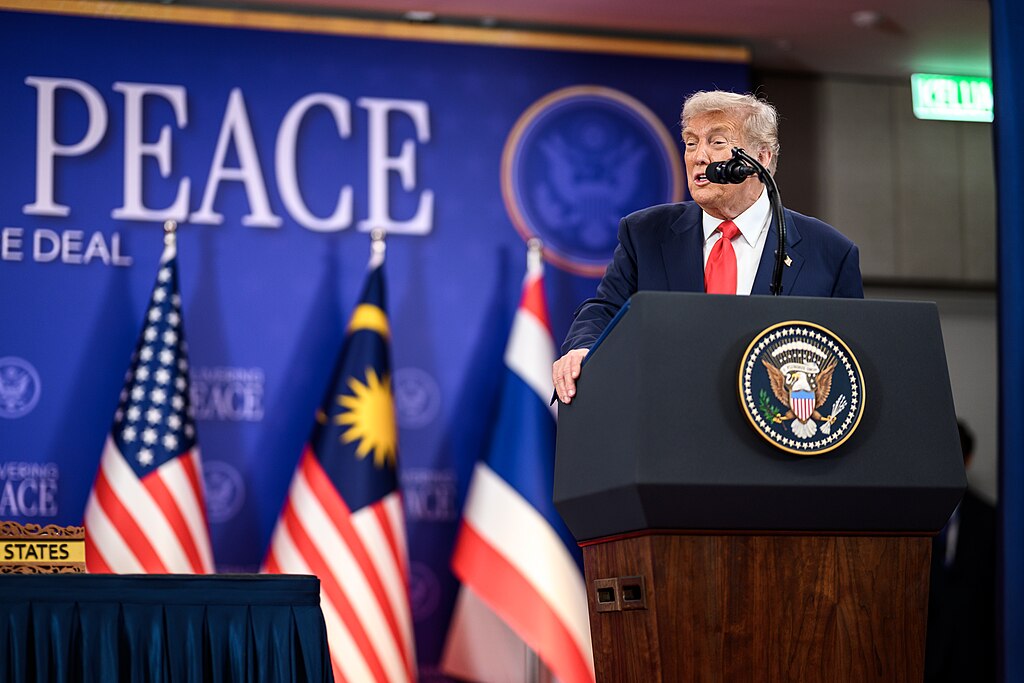
U.S. President Donald Trump has signed a new executive order designed to protect revenue generated from the sale of Venezuelan oil that is currently held in U.S. Treasury accounts. According to a statement released by the White House on Saturday, the order prevents these funds from being subject to attachment, seizure, or any form of judicial process, reinforcing Washington’s broader strategy toward Venezuela’s ongoing political and economic crisis.
The White House emphasized that the executive order is a proactive measure aimed at safeguarding Venezuelan oil revenue from legal claims that could divert the funds away from their intended purpose. In a fact sheet accompanying the announcement, the administration stated that President Trump is acting to stop the seizure of these assets, warning that such actions could undermine critical U.S. efforts to promote economic recovery and political stability in Venezuela.
Venezuelan oil revenue has become a highly sensitive issue amid years of U.S. sanctions, international legal disputes, and internal political turmoil within Venezuela. Funds derived from oil exports and held in U.S. financial institutions have been vulnerable to lawsuits from creditors and other claimants seeking compensation for unpaid debts and expropriations. The new executive order seeks to block those legal efforts by placing the revenue beyond the reach of U.S. courts.
The Trump administration has consistently argued that protecting Venezuelan state assets abroad is essential to ensuring they can eventually be used for the benefit of the Venezuelan people, rather than being consumed by prolonged legal battles. By shielding oil revenue from judicial action, the U.S. government aims to maintain leverage in diplomatic negotiations while supporting its stated goal of fostering democratic governance and economic stability in Venezuela.
This move also reflects Washington’s broader foreign policy approach toward Caracas, combining economic pressure with measures intended to preserve key national resources. The executive order is likely to draw attention from international creditors, legal experts, and policymakers, as it underscores the complex intersection of sanctions, sovereign assets, and geopolitical strategy surrounding Venezuelan oil and U.S.-Venezuela relations.







