


 US Sanctions Iran Weapons Procurement Network
  Russian Drone Strikes Kill Nine Across Ukraine, Hit Kyiv Science Academy
  Pope Leo Urges Europe to Pursue Peace Through Compromise
  Israeli Settlers Attack West Bank Village, Block Palestinian Family’s Return
  Senate Democrats Say Tether USDT Helps Iran Evade Sanctions
  UK Police Probe Foreign State Link in RAF Fairford Plot
  White House Blames Democrats as CLARITY Act Stalls
  Tim Scott Blames Democrats as CLARITY Act Stalls in Senate
  UN Extends Haiti Security Force Mandate Ahead of Elections
  Denmark Expects Long-Term NATO Presence in Greenland, Arctic
  US Plans Iran Sanctions Waiver for Pilgrim Flights to Iraq
  CNN, Politico and MS NOW Seek Court Order Blocking Trump White House Ban
  Haiti Gang Retaliation Kills at Least 11 in Artibonite
  Trump Eyes $54 Billion South Korean Investment in Alaska LNG
  Polymarket Traders Bet on Trump AI Rename to ‘Super Intelligence’
  US Troops Set to Complete Iraq Withdrawal as Iran Influence Grows
  US Forces Exit Iraq as Iran Influence and ISIS Risks Grow


 Add as a preferred source on Google
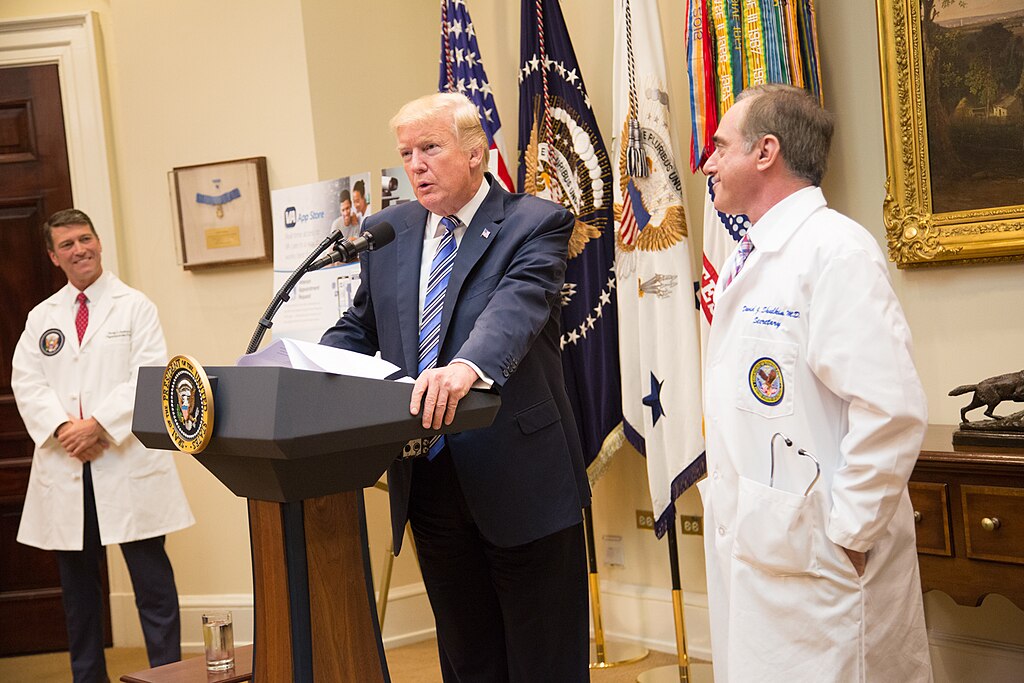
Former President Donald Trump is reportedly considering a full U.S. withdrawal from the Paris climate agreement if re-elected in 2024, a move that could reshape America’s environmental policy and draw global criticism. Sources close to Trump’s campaign suggest that his decision stems from long-standing skepticism about the accord’s impact on American businesses and economic growth.
Trump’s History with the Paris Climate Agreement
During his presidency, Trump announced in 2017 that the U.S. would leave the Paris agreement, citing concerns that it disadvantaged American workers and industries. He formally began the withdrawal process, which was completed in 2020. However, President Joe Biden rejoined the accord on his first day in office, reaffirming U.S. commitment to reducing greenhouse gas emissions.
The Paris climate agreement, signed by nearly 200 countries, aims to limit global warming to well below 2 degrees Celsius compared to pre-industrial levels. Participants commit to reducing carbon emissions and working collaboratively to address climate change. Trump has consistently argued that the deal places an undue burden on the U.S., particularly in the energy and manufacturing sectors, while allowing countries like China to benefit.
Potential Impact of a U.S. Exit from the Climate Pact
If Trump follows through on plans to withdraw, experts warn it could weaken the global coalition addressing climate change. Analysts note that U.S. participation is vital for meeting the accord’s targets, as America is one of the world’s largest carbon emitters. An exit could embolden other countries to weaken their commitments, potentially reversing progress made in recent years.
Environmental groups have voiced strong opposition, warning that abandoning the pact could have severe environmental consequences. They argue that the U.S. must lead by example in combating climate change, especially given recent climate disasters linked to rising global temperatures.
Trump’s reported stance reflects his campaign’s broader focus on deregulation and energy independence, which includes support for fossil fuel industries. As the 2024 election approaches, his position on the Paris climate agreement may become a contentious issue, drawing stark contrasts with candidates prioritizing environmental policies.







