


 Najib Razak Seeks Stay of 15-Year 1MDB Prison Sentence
  EU Agrees €6.6 Billion Military Aid Funding for Ukraine
  US Bans Canadian Alcohol, Motorcycles as Trade War Escalates
  FDA Names Permanent Drug and Biologics Center Chiefs
  DOJ Will Investigate AI-Related Crimes, Attorney General Blanche Says
  Pope Leo Backs Press Freedom After White House Media Ban
  Evan Gershkovich Says FSB Set Trap for 2023 Russia Arrest
  Canada Unveils Bill to Fast-Track Major Resource Projects
  US Immigration Arrests Surge as Deportations Lag Behind
  Trump Scales Back Endangered Species Act Protections
  Trump Warns China Against Supporting Iran in Xi Talks
  US Northeast Airports Resume Operations After Telecom Outage Disrupts Thousands of Flights
  Yemen Violence Displaces 130,000 as Civilian Toll Rises
  US Judge Dismisses Imran Ahmed Deportation Lawsuit
  US Backs Musk in Fight Against EU’s €120 Million X Fine


 Add as a preferred source on Google
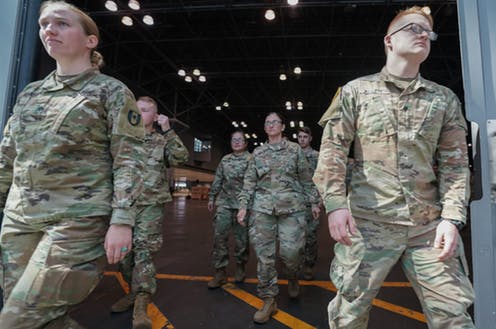
The U.S. National Guard is preparing to train hundreds of troops in every state to create specialized rapid-response forces capable of handling civil disturbances by early next year, according to two U.S. officials. The move aligns with President Donald Trump’s push to use the military to support domestic security operations, including deployments to cities such as Los Angeles, Portland, and Washington, D.C.
This initiative follows Trump’s executive order signed in August, directing each state to establish National Guard units ready to deploy quickly for “quelling civil disturbances and ensuring public safety.” The officials, speaking anonymously, said states would be required to form units of about 500 troops each by the start of next year. The Guardian first reported the implementation timeline, citing a National Guard memo dated October 8.
While the Pentagon has not commented, questions remain about how these new forces differ from existing state quick-reaction units. Currently, National Guard units can mobilize 125 personnel within eight hours and an additional 375 within 24 hours for missions involving riot control and disaster response.
During a recent visit to Japan, President Trump reiterated his commitment to restoring law and order, signaling that the federal government could deploy additional forces beyond the National Guard if necessary. “We have cities that are troubled,” Trump said. “We’re sending in our National Guard, and if we need more than the National Guard, we’ll send more because we’re going to have safe cities.”
The plan underscores Trump’s emphasis on strengthening domestic security and ensuring rapid military readiness amid rising civil unrest. Analysts say the initiative could mark a significant expansion of the National Guard’s role in maintaining public order across the United States.







