


 Trump, Xi Focus on Trade and AI at White House Summit
  What ‘Taiwan Independence’ Means as Xi Presses Trump on US Policy
  DOJ Will Investigate AI-Related Crimes, Attorney General Blanche Says
  US Backs Musk in Fight Against EU’s €120 Million X Fine
  Australia Tightens Student Visa Rules, Targets Migration Cut by 2028
  Appeals Court Rejects Trump Third-Country Deportation Policy
  Iran Rejects Nuclear Concessions in Hormuz Deal
  US Bans Canadian Alcohol, Motorcycles as Trade War Escalates
  ICE Agent Arrested in Minneapolis Over Venezuelan Man Shooting
  Abbas Reaffirms November 28 Palestinian Elections
  Synthetic data could ease people’s concerns about privacy breaches. But who gets to create it?
  Colombia Extradites FARC Dissident Leader ‘Spider’ to US
  Evan Gershkovich Says FSB Set Trap for 2023 Russia Arrest
  FAA Allows Boeing to Sell 35 More 777F Freighters Beyond 2028
  NATO Boosts Intelligence Sharing Amid Russia Hybrid Threats
  France Defends Netanyahu Airspace Clearance Despite ICC Warrant
  Judge Blocks Trump Rule Limiting Foreign Student Visas


 Add as a preferred source on Google
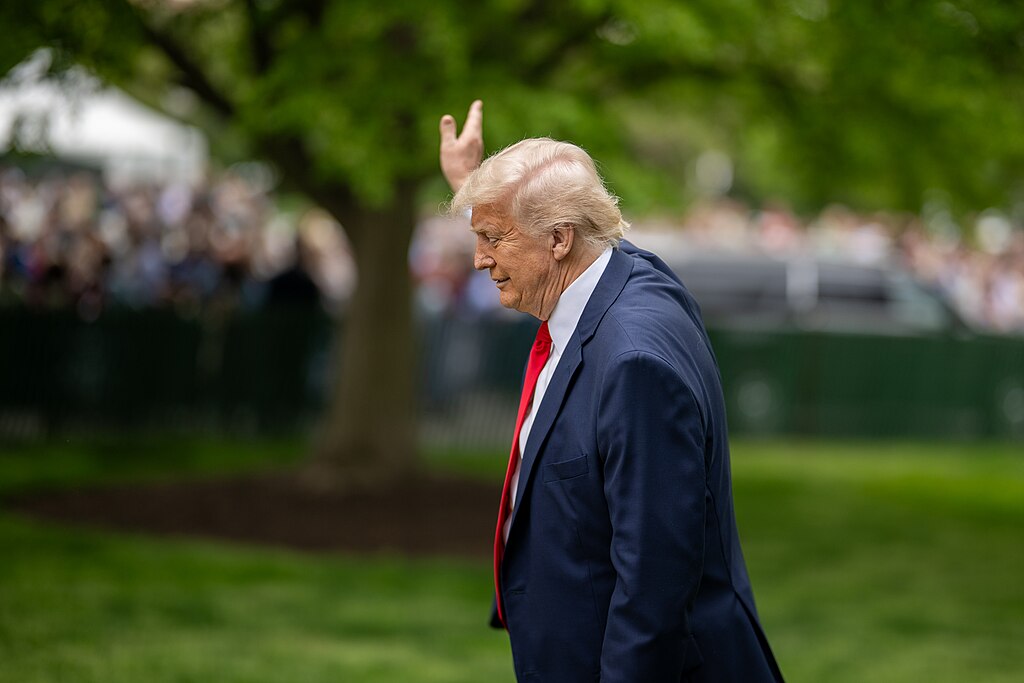
Hundreds of Texas National Guard soldiers gathered outside Chicago on Tuesday as President Donald Trump intensified his threat to invoke the Insurrection Act, heightening tensions over the limits of presidential authority. The Republican leader suggested he might use the law to bypass court rulings that have temporarily blocked troop deployments to Democratic-led cities such as Portland and Chicago.
The Insurrection Act, last used during the 1992 Los Angeles riots, allows the president to deploy military forces domestically during emergencies. Traditionally, this has occurred only at the request of state governors. However, Trump has indicated his willingness to act unilaterally, asserting that federal troops are needed to combat crime and protect federal property.
In recent weeks, Trump has ordered deployments to major cities including Los Angeles, Washington D.C., Portland, and Chicago, claiming local leaders have failed to maintain order. The move has drawn fierce criticism from Democrats and civil rights advocates, who accuse the president of overstepping constitutional boundaries.
Illinois Governor JB Pritzker condemned the deployment, calling it “an illegal effort to militarize our nation’s cities.” Illinois and Chicago have filed a lawsuit to block the federalization of National Guard troops. Despite legal challenges, a federal judge allowed the Chicago deployment to proceed temporarily, pending a government response.
Retired Army Major General Randy Manner warned that invoking the act as Trump proposes would set a dangerous precedent, likening it to “the definition of dictatorship.”
While Trump argues the measure is necessary to restore order, local officials report that recent protests over immigration policies have been mostly peaceful. Critics say the president’s actions are politically motivated, aimed at demonstrating strength amid declining approval ratings.
Any attempt to enforce the Insurrection Act would almost certainly face further constitutional and legal battles, testing the balance between federal and state power.







