


 Trump Says ‘Freedom’ Is Coming to Cuba
  Lula and Flavio Bolsonaro Tied in Brazil Runoff Poll
  Sudan Rejects US Legitimacy Remarks, Defends Sovereignty
  Taiwan Vows to Advance US Arms Sales Ahead of Trump-Xi Meeting
  Oil Prices Surge as U.S.-Iran Diplomacy Hopes Fade
  Oil Prices Extend Losses as U.S.-Iran Talks Ease Supply Fears
  US Stock Futures Rise as Meta Muse Fuels AI Rally
  US, China Extend Trade Truce to Jan. 10 Ahead of Trump-Xi Summit
  South Korea, US Discuss Warship Building Cooperation
  Mexico-US Trade Talks Delayed to October as Tariff Negotiations Continue
  Netanyahu Takes Aim at Mamdani as Israel Election Nears
  Oil Prices Ease as Iran Tensions Clash With Diplomacy Hopes
  Trump to Press Xi on Release of US Nuclear Expert Held in China
  Wall Street Falls as Treasury Yields Surge, Oil Rebounds on Iran Tensions
  Russian Missile and Drone Attack on Kyiv Kills Two, Damages Maternity Hospital
  Australia Unemployment Hits Five-Year High Despite Strong Jobs Growth


 Add as a preferred source on Google
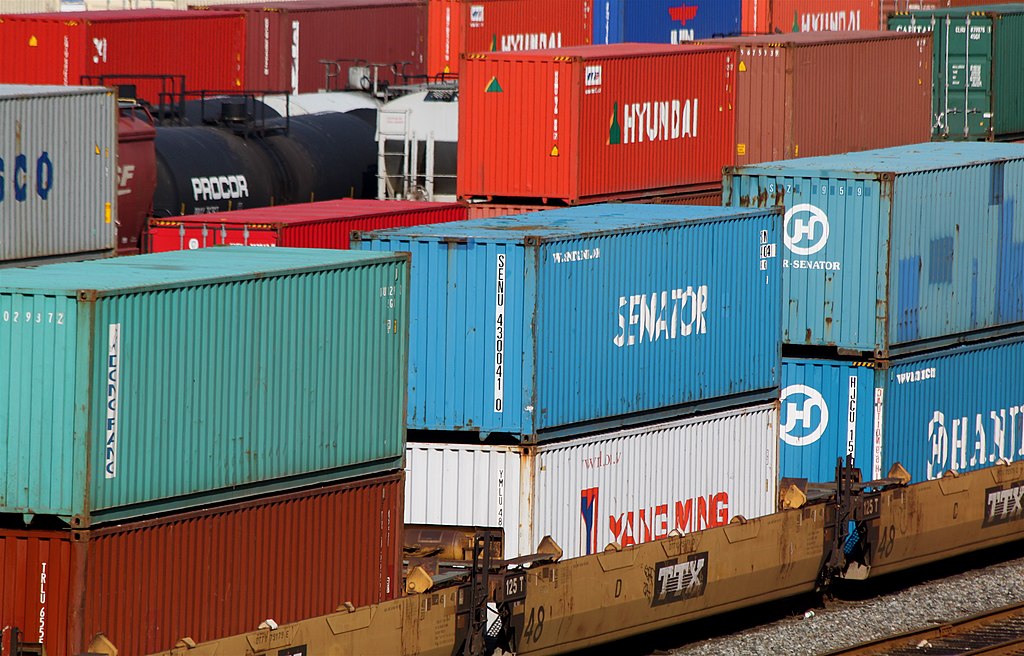
President Donald Trump confirmed that starting Tuesday, all imports from Mexico and Canada will face a 25% tariff, citing insufficient efforts to curb fentanyl trafficking. Additionally, China will see an extra 10% tariff, raising the total to 20%.
“There’s no room left for Mexico or Canada,” Trump stated at the White House, emphasizing that negotiations have reached a dead end.
Economists at Morgan Stanley warn these tariffs could increase U.S. inflation by 0.3 to 0.6 percentage points in the next few months, pushing PCE inflation to 2.9%–3.2%. U.S. GDP growth could also decline by 0.7%–1.1%, dropping to 1.2%–1.6%. A Mexican recession is now their base-case scenario.
Market strategists expect increased downside risks for economic growth, likely leading to a more dovish monetary policy. Sectors most vulnerable to the tariffs include IT hardware, autos, and consumer goods.
While an eleventh-hour resolution remains possible, Trump could either postpone the tariffs, implement them for a short period, or maintain them long-term. Analysts believe Mexico and Canada have a higher chance of reaching a resolution due to ongoing diplomatic efforts, whereas the China tariffs appear more persistent.
As trade tensions escalate, businesses and investors brace for potential economic shifts, watching for further policy developments.







