


 Netanyahu’s Brief US Trip Highlights Strains With Trump
  U.S. Dollar Hits Two-Month High as Oil, Treasury Yields Surge
  Synthetic data could ease people’s concerns about privacy breaches. But who gets to create it?
  Ukrainian Drone Attacks Hit Russian Regions, Injuring at Least 12
  US Immigration Arrests Surge as Deportations Lag Behind
  FCC Approves Foreign Investment in $110B Paramount-Warner Bros. Deal
  Trump Asks Supreme Court to Restore Third-Country Deportations
  Kremlin Says No Decision Yet on Putin-Trump December Summit
  Fed Unveils Stablecoin Rules Under GENIUS Act
  Russian Envoy Dmitriev Heads to US for Ukraine Talks
  Xi Calls for Deeper U.S.-China AI Cooperation in Trump Talks
  US Judge Dismisses Imran Ahmed Deportation Lawsuit
  What ‘Taiwan Independence’ Means as Xi Presses Trump on US Policy
  France Defends Netanyahu Airspace Clearance Despite ICC Warrant
  RBI Uses $10 Billion Currency Swaps to Drain Excess Rupee Liquidity
  Netanyahu Defends Israel at UN as Delegates Stage Walkout
  White House Bars CNN, MS NOW and Politico Reporters


 Add as a preferred source on Google
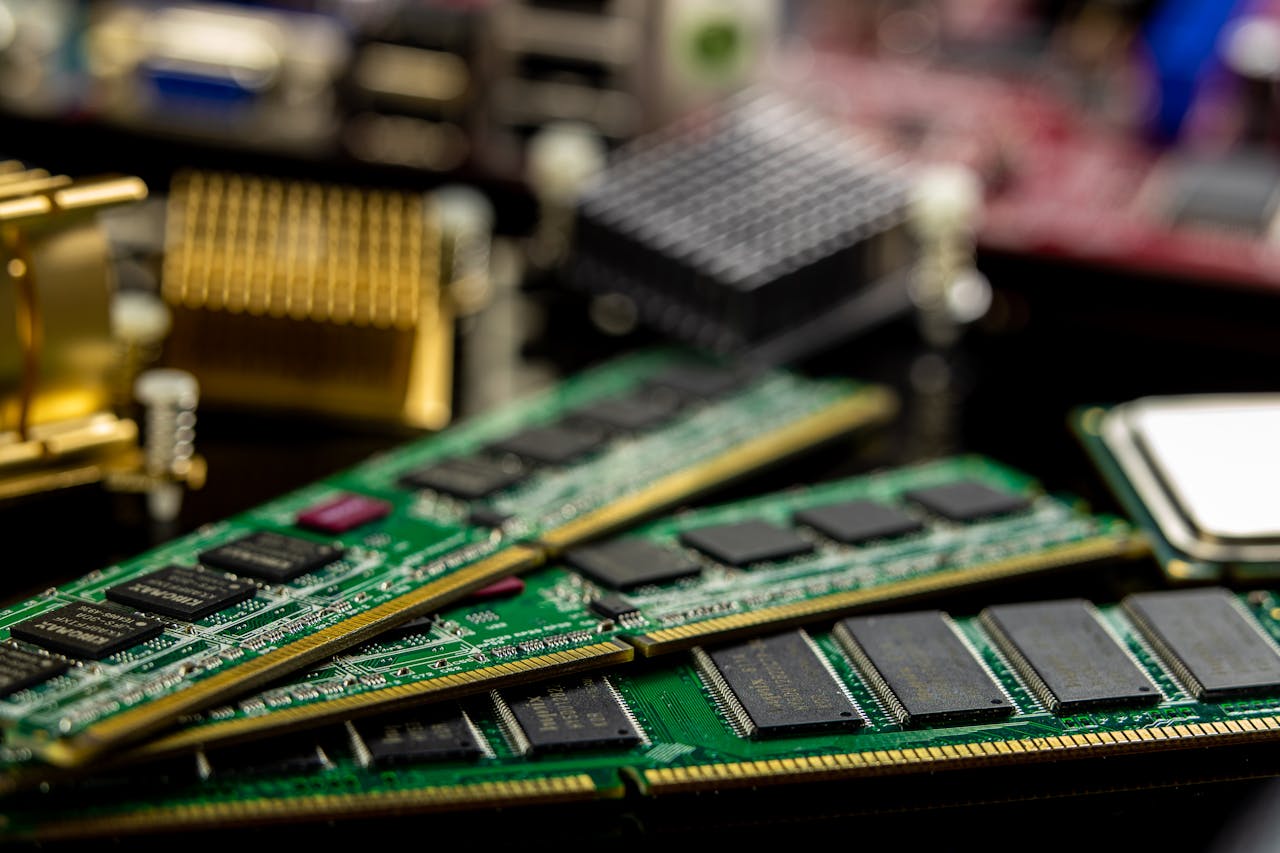
The Trump administration will reveal findings from a national security investigation into semiconductor imports within two weeks, Commerce Secretary Howard Lutnick said Sunday. The probe, conducted under Section 232 of the Trade Expansion Act of 1962, could pave the way for new tariffs on semiconductors and pharmaceuticals amid rising U.S.-EU trade tensions.
President Donald Trump made the announcement after meeting with European Commission President Ursula von der Leyen, unveiling a new trade framework imposing 15% tariffs on European Union imports, including autos. A separate 25% tariff will target the automotive sector specifically. Trump emphasized that several companies, including those from Taiwan, are planning semiconductor manufacturing investments in the United States to bypass future levies.
The investigation highlights Washington’s concern over heavy reliance on foreign semiconductor supplies, particularly from Taiwan. Trump signaled that von der Leyen negotiated “in a much better way” to avoid harsher chip tariffs.
This probe follows multiple trade actions since Trump’s return to the White House in January, including 25% tariffs on steel, aluminum, and autos, as well as ongoing investigations into copper and lumber imports. Earlier this year, the administration also imposed a 10% tariff on major trading partners, set to rise further on August 1.
The U.S. semiconductor sector remains central to global supply chains, with previous efforts under former President Joe Biden, such as the Chips Act, aimed at reshoring production through multi-billion-dollar subsidies. Trump’s latest moves signal a continued push for domestic chip manufacturing as part of a broader strategy to reduce foreign dependence and address national security risks.
This upcoming decision is expected to have significant implications for global trade, technology supply chains, and U.S.-EU economic relations.







