


 FDA Approves Mirum’s Atebrioz for Rare Bone Disorder FOP
  Judge Orders Trump to Restore White House Access for CNN, MS NOW and Politico
  Saudi Arabia Shuts East-West Oil Pipeline After Drone Attack
  FCC Approves Foreign Investment in $110B Paramount-Warner Bros. Deal
  NATO Boosts Intelligence Sharing Amid Russia Hybrid Threats
  Saudi Arabia, Turkey and Pakistan Plan Urgent Defence Talks Over Houthi Attacks
  Trump Warns China Against Supporting Iran in Xi Talks
  US Backs Musk in Fight Against EU’s €120 Million X Fine
  Synthetic data could ease people’s concerns about privacy breaches. But who gets to create it?
  Trump Asks Supreme Court to Restore Third-Country Deportations
  Evan Gershkovich Says FSB Set Trap for 2023 Russia Arrest
  China Reviews Broadcom Switch Use in State Data Centres
  Putin Says Ukraine Peace Proposals Remain on Table
  White House Bars CNN, MS NOW and Politico Reporters
  Trump Scales Back Endangered Species Act Protections
  Pope Leo Backs Press Freedom After White House Media Ban


 Add as a preferred source on Google
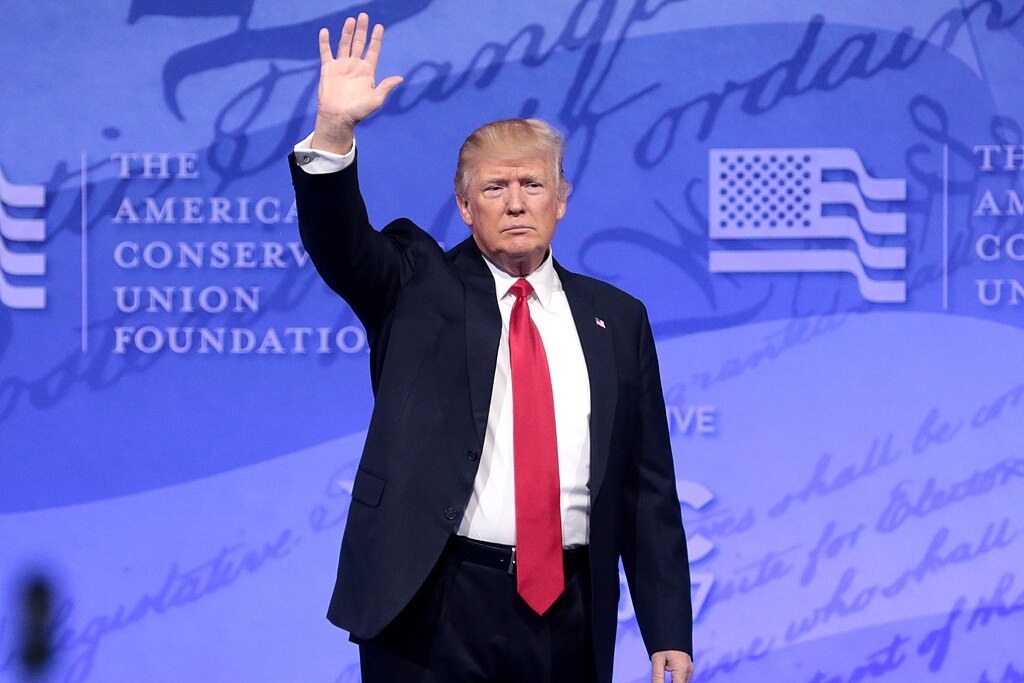
The Trump administration has formally asked the U.S. Supreme Court to review the constitutionality of President Donald Trump’s executive order aimed at ending birthright citizenship, according to a report from CNN. The controversial order, issued on January 20—the same day Trump returned to office—seeks to restrict automatic citizenship for children born in the United States unless at least one parent is an American citizen or a lawful permanent resident holding a green card.
Birthright citizenship has long been a cornerstone of U.S. immigration policy, rooted in the 14th Amendment, which grants citizenship to “all persons born or naturalized in the United States.” Trump’s executive order challenges this interpretation by directing federal agencies not to recognize the citizenship of U.S.-born children of undocumented immigrants or foreign nationals without legal status.
Supporters of the executive order argue that it addresses what they describe as abuses of the immigration system, claiming that birthright citizenship encourages “birth tourism” and creates unfair advantages for undocumented families. Critics, however, strongly oppose the move, arguing that it is unconstitutional and discriminatory. Immigration advocates warn that if the order is upheld, it could strip citizenship from thousands of U.S.-born children, creating stateless individuals and legal chaos.
The administration’s petition to the Supreme Court escalates an already heated legal battle, as lower courts are expected to weigh in before the nation’s highest court potentially makes a landmark ruling. Legal experts say the case could reshape immigration law and redefine the scope of the 14th Amendment in ways unseen for over a century.
As the debate continues, the issue of birthright citizenship remains one of the most divisive topics in American immigration policy. With the Supreme Court’s involvement, the future of this constitutional guarantee now hangs in the balance, making it a pivotal case with far-reaching consequences for families, immigrants, and the nation’s legal framework.







